A public inquiry into the Nottingham triple killings has opened with a stark condemnation from the victims’ families, who say they have been met with “failure and silence” and demand that those who “neglected their jobs” be held to account.
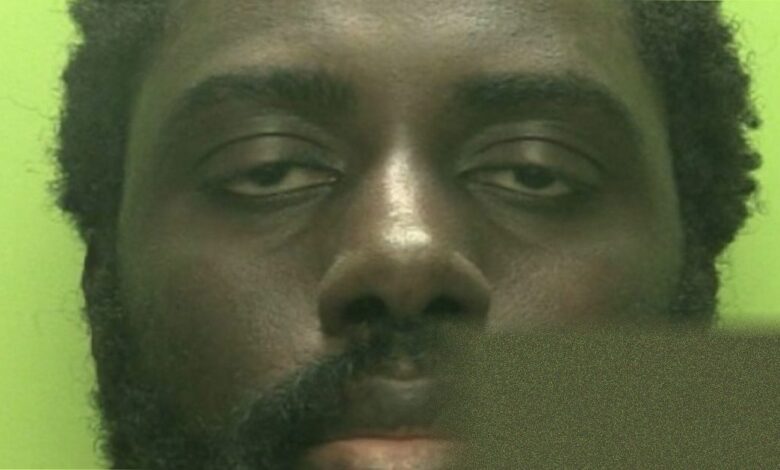
Valdo Calocane, who has paranoid schizophrenia, fatally stabbed students Barnaby Webber and Grace O’Malley-Kumar, both 19, and 65-year-old school caretaker Ian Coates, and severely injured three others in a series of attacks on 13 June 2023. In January 2024, he was sentenced to an indefinite hospital order after admitting three counts of manslaughter on the grounds of diminished responsibility and three counts of attempted murder.
The statutory public inquiry, chaired by Her Honour Deborah Taylor and which began on 23 February 2026, is examining the “events, acts and omissions” that allowed Calocane to remain free to kill, with the aim of preventing future tragedies. It will scrutinise the management of his risk, multi-agency working, and the handling of the case by various bodies, including the Crown Prosecution Service.
Missed Opportunities in Mental Health Care
The inquiry heard that critical warnings were overlooked years before the attacks. On 24 May 2020, Calocane, then a student at the University of Nottingham, was arrested after “repeatedly kicking and punching” a door in his accommodation, with a neighbour having to restrain him before police arrived, counsel to the inquiry Rachel Langdale KC said.
During a mental health assessment, he described hearing voices and was diagnosed with a first episode of psychosis, attributed to sleep deprivation and exam stress. Ms Langdale told the inquiry that a doctor involved was “leaning towards” detaining Calocane under the Mental Health Act due to the first presentation of psychosis and a lack of risk history.
However, a team of mental health professionals considered research evidence on the over-representation of young black men in detention and concluded that community treatment could provide a “safe and reasonable alternative”. Calocane agreed to medication and home treatment, including twice-daily visits from a crisis team.
This decision proved fateful. Shortly after his release, Calocane repeatedly kicked another neighbour’s door, terrifying her so much that she jumped from a first-floor window, sustaining serious spinal injuries, Ms Langdale said. He was then arrested and sectioned for about three weeks, marking his first of four hospital admissions before the 2023 attacks.
Despite concerns expressed by his mother that it was too early, Calocane was discharged from hospital on 17 June 2020. Within a month, on 13 July, he was sectioned again after forcing his way into a property and assaulting someone. The inquiry heard it was discovered he had stopped taking his medication just two weeks after his initial discharge.
The pattern of disengagement and deception continued. In May 2021, Calocane visited MI5 headquarters in London, claiming he had information about a case and requesting to be arrested. This occurred two days after his mother had contacted the crisis team concerned he was not taking his medication.
On 3 September 2021, a warrant was executed to assess Calocane at his property, during which he allegedly assaulted a police officer. A bag of unused medication from February 2021 was found, and he was admitted to inpatient services under Section 2 of the Mental Health Act, remaining until October 2021.
In January 2022, he was admitted for nearly a month – his fourth hospitalisation – after trapping housemates in their flat, leading to police being called. He was discharged in February 2022 back to voluntary care.
Overall, Calocane was discharged from NHS mental health services five times in the two and a half years before the killings. His final discharge was back to his GP in September 2022 due to non-engagement, with no evidence that his family, GP, or university were consulted.
Systemic Failures Identified
A Care Quality Commission review into Calocane’s care at the Nottinghamshire Healthcare NHS Foundation Trust between May 2020 and September 2022 found “a series of errors, omissions and misjudgments”. The CQC stated that, without action, the issues would “continue to pose an inherent risk to patient and public safety”.
The report highlighted poor decision-making, omissions, and errors of judgment, including the decision to discharge Calocane back to his GP, inconsistent risk assessments, and poor care planning and engagement. It noted that if he had been treated under Section 3 of the Mental Health Act during his fourth admission, more community care options would have been available.
Additionally, NHS England published an independent mental health homicide report by Theemis, which identified clear failings in Calocane’s care and produced recommendations for the trust and NHS England.
Background of the Killer
Valdo Calocane was born in Guinea-Bissau, moved to Portugal, and came to the UK in 2007 at age 16. He was diagnosed with paranoid schizophrenia and had a history of not taking his medication, lying about his symptoms, and refusing to engage with mental health practitioners. He believed he was not mentally unwell and that the voices he heard were real.
Psychiatrists stated he had a treatment-resistant form of schizophrenia and could pose a lethal risk in prison if he refused medication. He was described as an intelligent man who strove to conceal his illness. After the attacks, analysis of his phone revealed he had researched “mind control technology” and watched videos, including of a shooting.
Families’ Quest for Justice
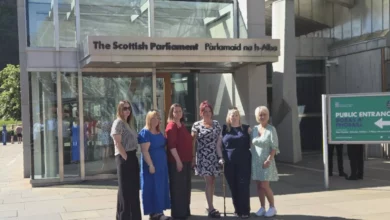
In a joint statement, the families of Barnaby Webber, Grace O’Malley-Kumar, and Ian Coates said the inquiry was “about holding those who neglected their jobs to account”. They added: “We want it to expose systemic neglect with a thorough examination of the missed opportunities by mental health services, law enforcement, and judicial bodies.”
They have expressed dissatisfaction with Calocane’s sentence of indefinite hospital detention, feeling that true justice has not been served and calling for transparency, accountability, and systemic change to prevent future tragedies.
The inquiry continues.