Guilty verdict: Sikh man convicted of murdering student with ceremonial knife
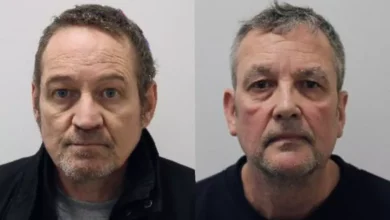
A Sikh man has been found guilty of murdering an 18-year-old university student by stabbing him to death with a 21cm ceremonial kirpan knife. Vickrum Digwa, 23, was convicted at a crown court after a trial in which the prosecution said he told police a “wicked lie” by claiming he was the victim of a racist attack.
Digwa was also found guilty of carrying a bladed weapon in public. His mother, Kiran Kaur, 53, was convicted of assisting an offender by removing the weapon from the scene. Digwa is due to be sentenced on June 1 and Kaur on July 17.
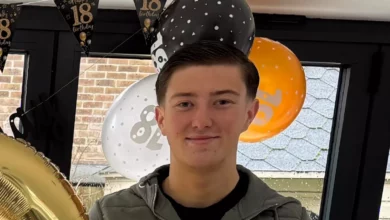
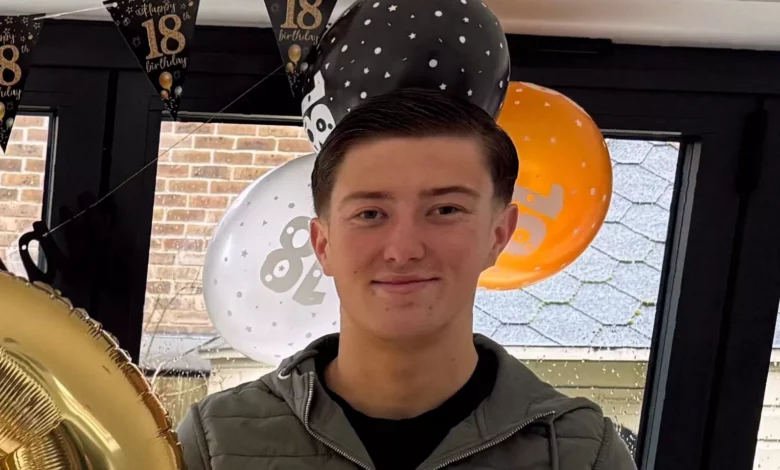
The victim, Henry Nowak, was an accountancy and finance student at the University of Southampton, originally from Chafford Hundred, Essex. He was walking home after a night out with his football team-mates on December 3 2025 when the attack took place on Belmont Road, Southampton.
Digwa filmed the student moments before the stabbing, telling him: “I am a bad man.” He then stabbed Nowak five times, including two wounds to the back of his legs and a fatal wound to the heart. The knife used was a Sikh kirpan, a ceremonial blade that Sikhs are legally permitted to carry under the Criminal Justice Act 1988 and the Offensive Weapons Act 2019, which provide religious exemptions for fully practising Sikhs.
During the trial, Nicholas Lobbenberg KC, prosecuting, argued that Digwa had chosen to carry a large, openly displayed kirpan in addition to a smaller one worn discreetly under his clothing. He told the jury that Sikh law only requires the discreet carrying of a small dagger for religious purposes, and that Digwa had “chose” to display the larger weapon. The prosecution noted that Digwa had been working for Deliveroo at the time and was not at a temple. Lobbenberg also described Digwa as someone who “likes weapons”, had been training with them since the age of 12, and “sleeps in a bedroom with an arsenal of weapons”. He added that Digwa had described the murder weapon in “loving terms” and thought a knife was “a suitable wedding present for his brother”.
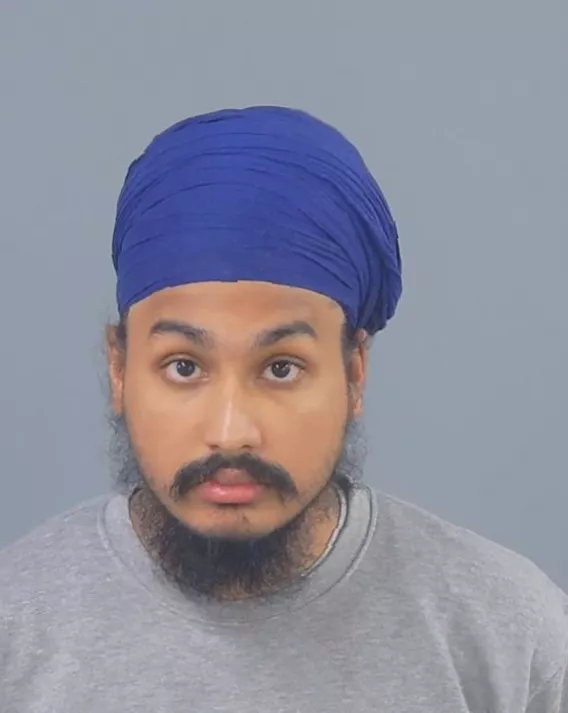
Digwa’s defence claimed that Nowak, whom he described as drunk, had racially abused him, punched him and knocked off his turban. Digwa said he acted in self-defence, stabbing Nowak to the legs, and claimed he did not realise he had inflicted the fatal chest wound. He also told the court he feared he would be stabbed with his own kirpan. The prosecution dismissed these claims as a “wicked lie”, pointing out that Digwa had initially lied to police by telling them he was the victim of a racist attack and had denied stabbing Nowak despite the student’s pleas for help.
Police handcuffed victim moments before his death
The actions of police officers who attended the scene have come under intense scrutiny. When officers arrived, Digwa falsely claimed he had been racially attacked. As a result, the officers arrested Henry Nowak and placed him in handcuffs. Shortly after being handcuffed, Nowak collapsed and became unconscious. He died despite officers’ attempts to administer first aid.
Temporary Deputy Chief Constable Robert France of Hampshire Constabulary apologised publicly, saying: “I want to apologise, I want to say that I am sorry that Henry couldn’t be saved that night. I’m sorry that he was handcuffed and arrested in the moments before he lost consciousness.” He explained that the officers were “lied to” by Digwa and would not have been aware of Nowak’s injury, which pathologists confirmed was deep and internal and would not have been obvious. France added that the pathologist had indicated nothing the officers could have done would have saved him.
The Independent Office for Police Conduct (IOPC) is independently investigating the incident, including the contact officers had with Nowak before his death, the decision to use handcuffs, and the first aid provided. The IOPC’s remit covers all police forces in England and Wales.

The Conservative shadow home secretary, Chris Philp, described the officers’ actions as “shameful”. He said: “The police seemed more interested in cuffing someone accused of making a racist comment than in saving a dying man. They believed his attacker’s allegations of racism without critical assessment. Henry’s last words were ‘I can’t breathe’. If he had been an ethnic minority there would probably be protests and riots by now.” Philp called on the IOPC investigation to “get to the bottom of this” and urged the force to apologise to Henry’s family, adding that policing should “end on its fixation on race and alleged racism”.
Tech billionaire Elon Musk posted on X offering to fund a private prosecution against the police and a wrongful death lawsuit. He wrote: “Unconscionable. I am happy to fund a wrongful death lawsuit against these disgusting excuses for law enforcement. They damn well better have been fired.” Musk also criticised Prime Minister Keir Starmer for not commenting on the case.
Community reactions and family tribute
The Sikh Federation UK described the death as an “isolated incident” and said it was raising awareness of the rules around carrying a kirpan. In a statement, it said: “The wider Sikh community has unacceptably faced considerable abuse and hate during the trial as many do not understand the law, the significance of the kirpan or the responsibility associated with wearing a kirpan. The actions of police officers who handcuffed the victim just before he died has not helped and given an opportunity for many to criticise the police, but it has also unnecessarily stirred up community hatred.” The federation made clear that the religious defence only applies to fully practising Sikhs, and that if a kirpan is used aggressively in an act of violence, it is deemed an offensive weapon.
Henry Nowak’s family paid tribute to “our kind, intelligent and talented son”, who had been “fully embracing university life” and was out with his football team-mates on the night of his death. They said: “Our hearts ache when we think of the bright future he had ahead of him, full of opportunity and adventures. There are no words to describe just how heartbroken we are that we will never get to see him grow and fulfil his awesome potential. We are so proud of him and all he achieved. Our world will never be the same without our amazing Henry.”

Charity football matches have been organised in his memory, with proceeds going to 2 Wish, a charity that supports families affected by the sudden death of a young person. The first match in Southampton raised over £9,000, and a subsequent match at Aveley FC has raised more than £40,000. Nowak played for the University of Southampton’s football club.
Kate Lewis, senior district crown prosecutor for the Crown Prosecution Service, said: “This was a senseless and entirely avoidable act of violence. Today’s verdict cannot undo the devastation caused to Henry’s family and friends. A young life has been lost, and our thoughts remain firmly with them.”
Digwa’s brother made the initial 999 call, during which Digwa could be heard denying weapons had been used and not admitting to causing fatal injuries. Toxicological analysis of Nowak’s autopsy found he was not legally impaired at the time of the incident. Judge William Mousley KC adjourned the case for Digwa to be sentenced on June 1 and Kaur on July 17.