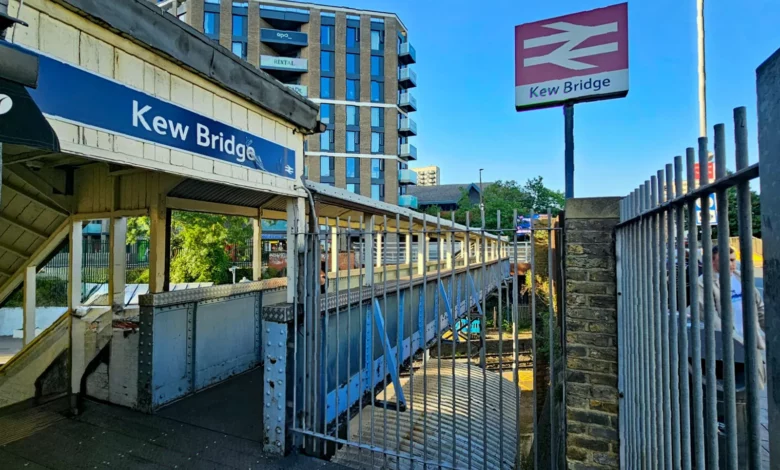
Kew Bridge station is set for step-free access upgrades after funding was secured for the detailed design of a new footbridge and lifts, marking a significant step forward for the long-awaited accessibility project.
Funding and design work
The Department for Transport (DfT) has allocated funding under its Access for All (AfA) scheme, which makes £50-£60 million available nationally for accessibility improvements. Kew Bridge is one of 23 projects across the country to have reached the detailed design phase after initial feasibility funding was approved in May 2024. That funding was upgraded earlier this year, allowing Network Rail to begin developing full plans. The DfT money specifically covers the new lifts and staircases, with contributions from developers expected to support separate work needed to address the platform height issue.
Proposed infrastructure changes
Network Rail recently met with Ruth Cadbury MP, Cllr Katherine Dunne and Hounslow Council to outline its initial proposals. The plans include a new footbridge and two lifts, positioned further along the platform from the current footbridge, and a new main entrance on Lionel Road South, next to the station. That location has the added advantage of moving the entrance onto a quieter street, away from the narrow pavement in front of the existing entrance. It also sits opposite the Brentford Community Stadium, a development that spurred an earlier feasibility study in 2019. The existing footbridge is too old to remain without major repairs and will be removed, although Ms Cadbury confirmed it is hoped the existing staircase down to the Brentford-facing platform will be kept.
The dual challenge of lifts and platform height
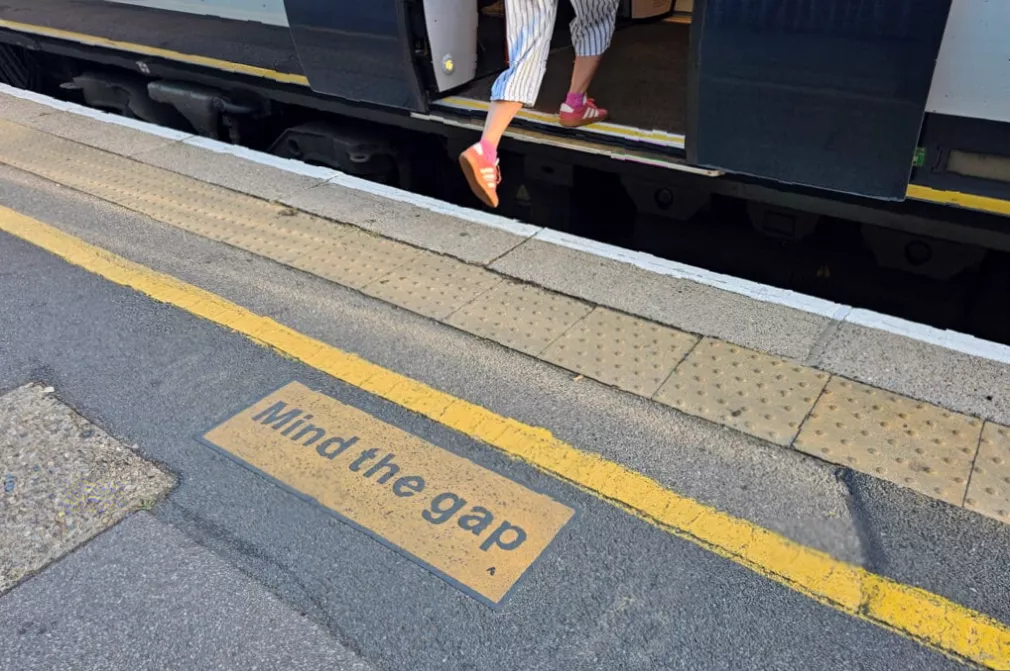
Kew Bridge station, situated on the north side of the river from Kew Gardens and next to a busy road bridge, currently has only stairs from the platform up to the main road. The project faces a double problem: not only must lifts be installed, but the station also suffers from a significant gap between the platform and trains, which poses a serious obstacle for wheelchair users and passengers with mobility impairments. Ms Cadbury described the “steep step between the platform and train” as a long-standing issue.
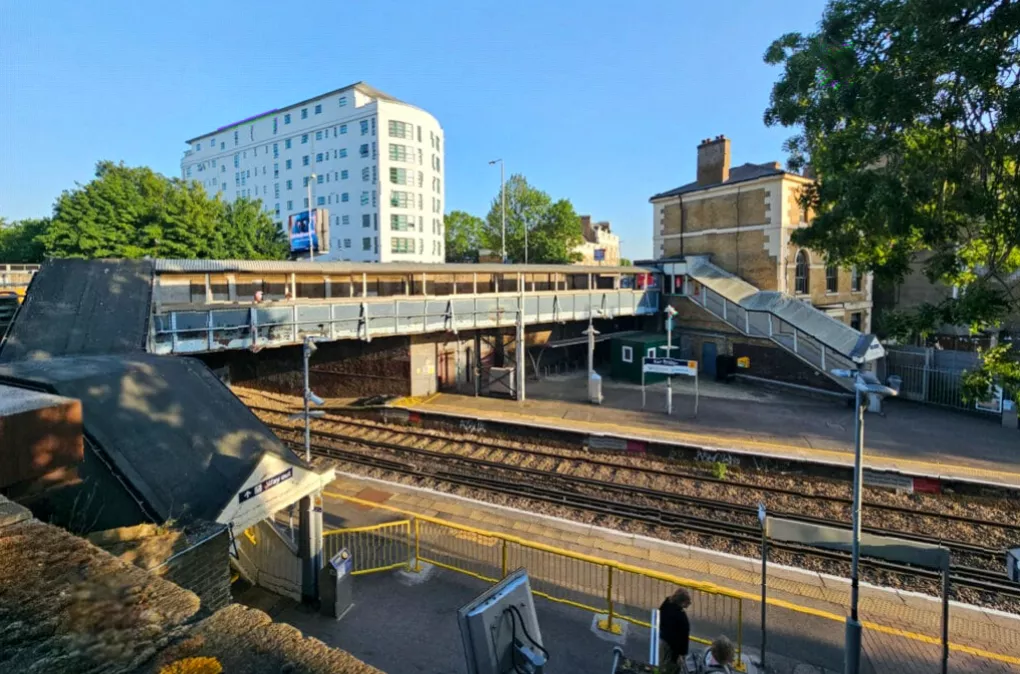
At present, DfT funding covers only the investigation and installation of lifts and the new footbridge. Addressing the platform height gap is a separate challenge. The MP confirmed that Hounslow Council and Network Rail are actively exploring designs and funding sources to reduce the height difference. Developer contributions are expected to play a key role in financing this part of the work, but no firm plan has yet been announced. The station’s location next to a busy road bridge and the need to co-ordinate lift installation with track-level adjustments add further complexity to the engineering task.
Funding hurdles and uncertain timeline
Although detailed design work is now under way, the project is far from guaranteed. The current DfT funding covers only the design phase, which is expected to be delivered by March or autumn 2027. After that, Network Rail must secure planning permission and then submit a fresh application to the DfT for the full construction funding package. No timeline for building work has been provided.
The cautionary example of Peckham Rye station, the busiest interchange in the country without step-free access, hangs over the process. Plans for lifts there were shelved by the government in summer 2025 despite being “shovel ready” and having received some council investment. Future AfA schemes will depend heavily on third-party funding contributions, meaning Kew Bridge’s progress is not assured. The station’s improvement has been the subject of years of campaigning by local resident groups, and an earlier feasibility study in 2019 explored step-free access from Lionel Road South but produced no published outcome.
Nearby stations offer some cause for optimism: Syon Lane gained a new lift and footbridge in 2020, and Isleworth’s new lifts opened in May 2026. Gunnersbury station is also progressing to detailed design under the AfA scheme, though progress there was complicated by the redevelopment of Chiswick Tower. Meanwhile, Network Rail has been undertaking significant track work on the Grade II listed Kew Railway Bridge between Kew Gardens and Gunnersbury, and there have been closures and strengthening works on Barnes Bridge that affect services between Kew Bridge and Barnes. Disused platforms at Kew Bridge have also been considered for potential use by the West London Orbital Railway, but the immediate focus remains on the step-free upgrade.
Hounslow Council leader Cllr Shantanu Rajawat criticised the previous Conservative government for “false promises” and said the current Labour government is “delivering for people in Brentford and Chiswick.” Ms Cadbury, who chairs the Commons Transport Select Committee, welcomed the government’s “Accessible Railways Roadmap” but stressed that funding must match the scale of the challenge. Future AfA schemes will depend heavily on third-party funding contributions.