A coordinated police and school response has disrupted a viral social media trend that threatened to incite violence between pupils across London, with two arrests made and numerous online accounts disabled. The phenomenon, which framed after-school clashes as colour-coded “wars,” spread rapidly across multiple boroughs and beyond, prompting urgent warnings from government ministers.
Arrests and a Government Warning
Police have confirmed the arrest of a man in his 20s and a 15-year-old boy in Central East London on suspicion of encouraging or assisting in a crime, directly linked to the online trend. The government has issued stern warnings, with Communities Minister Miatta Fahnbulleh stating that “senseless acts of violence will not be tolerated” and urging parents to speak to their children about the dangers. Technology Secretary Liz Kendall described the content circulating online as “deeply concerning,” emphasising that “encouraging violence, especially with weapons, is illegal.”
The ‘Red vs Blue’ Phenomenon
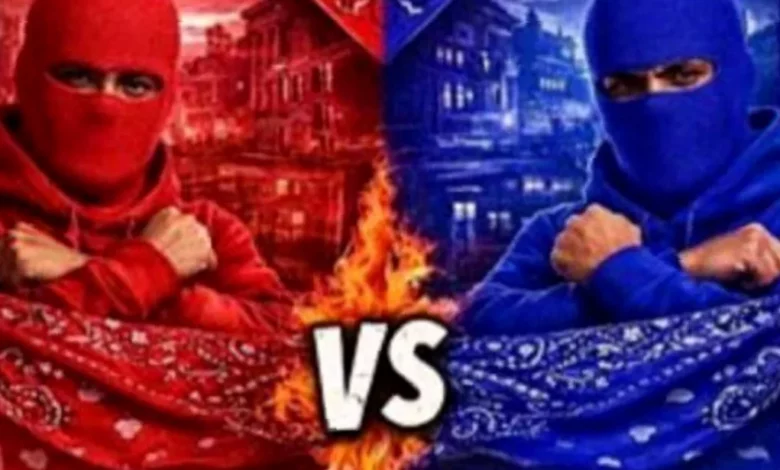
The trend, which appears to have originated in London around 11 February, involves viral posts and AI-generated graphics shared predominantly on TikTok and Snapchat. These posts framed potential after-school meetups as confrontations between rival schools, listing dozens of institutions on opposing “Red” and “Blue” teams. The trend initially targeted pupils in Years 9 to 11 in areas like Hackney and Croydon but quickly spread to boroughs including Greenwich, Redbridge, Camden, Highgate, Ealing, Harrow, Bexley, and Havering. Incidents have also been reported in other UK cities such as Bristol and Northampton.
The content frequently encouraged pupils to bring everyday school items that could be used as weapons, with references to scissors, compasses, rulers, and metal combs. More extreme posts mentioned knives and fireworks. Some attempted to gamify violence, suggesting a video game-style “points system” for actions like “punching an opp” (opponent). Specific posts titled “North London War” and “Hackney War” named schools and encouraged violence.
Local Variations and School Action
In Tower Hamlets, the trend evolved into a distinct “Green vs Black” colour scheme. A TikTok account under the username “Tower hamlets.war” circulated posters encouraging pupils from specific schools, including Langdon Park, Canary Wharf College, Wapping High School, and George Green School, to “clash” with compasses and wear coloured bandanas.
In response, schools across affected areas issued urgent letters to parents, warning children not to attend any suggested gatherings or share the posts online. Some schools cancelled after-school detentions and activities to prevent gatherings, while parents were advised to monitor their children’s online activity and phones closely.
Police and Platform Intervention
The Metropolitan Police stated it was monitoring online activity and working with schools to “disrupt and deter potential disorder.” Officers stepped up patrols around school gates and transport hubs. As a precaution, Section 35 dispersal orders were implemented in several boroughs, including Greenwich, Hammersmith and Fulham, and Bexleyheath, granting police powers to order groups of youths to disperse to prevent crime or disorder. A separate order was authorised for specific wards in Edmonton.
The force confirmed that around a dozen social media accounts were disabled after threats or encouragement of violence were identified. Social media platforms have also acted; TikTok and Snapchat stated they are proactively removing content that violates community guidelines by glorifying violence or promoting crime. TikTok has restricted searches related to “red vs blue.”
Amplified Fear, But Few Actual Clashes
Despite the widespread online circulation and significant concern, the Metropolitan Police reported that it has not confirmed any widespread organised incidents directly linked to the trend, with the scheduled gatherings effectively not taking place. The episode has, however, ignited a broader debate about the role of social media, described by some as the “latest example of the wild west environment” on these platforms.
Authorities and commentators are now questioning whether the online posts primarily amplified fear and encouraged copycat behaviour, or if the rapid sharing of information actually enabled schools, parents, and police to act early and prevent physical harm.