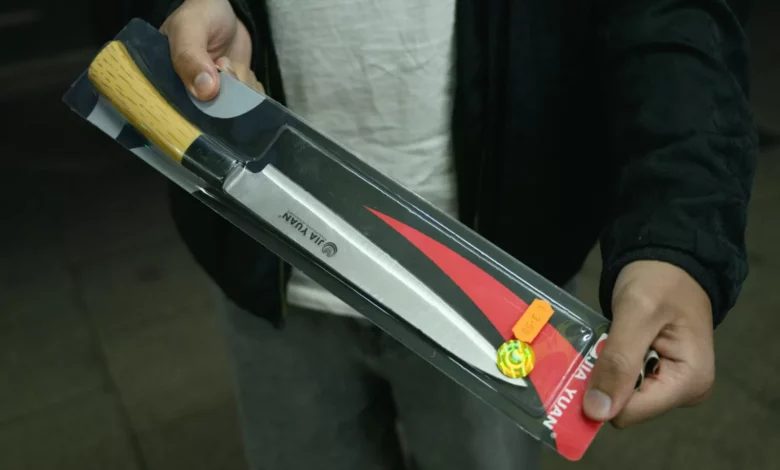
Despite a significant and welcome downturn in teenage knife crime across the capital, a simple and alarming reality persists on many high streets: for a teenager, buying a knife can be as easy as picking up a pint of milk. While police statistics chart a clear decline in homicides, an undercover operation in east London has exposed how accessible these weapons remain at the most local level.
The Test Purchase: A Mixed Bag of Vigilance and Cynicism
On a recent day in Bethnal Green, two 16-year-old police cadets walked into a series of independent corner shops, part of a targeted test purchase operation. The four shops visited were already on the radar of authorities, having either failed previous compliance checks or refused to sign up to the Responsible Retailer Scheme—an initiative offering training to prevent illegal sales of age-restricted products. The teenagers, who had personally witnessed the impact of knife violence in their schools, were measured beforehand to ensure they looked their age.
The results were a stark illustration of inconsistent enforcement. At the first shop, an assistant retrieved a knife and only asked for identification at the very last moment at the till, correctly refusing the sale. However, after the cadets left, Trading Standards officers observed staff gathering to congratulate one another, with murmurs of “well done” suggesting they knew it was a test. Trading Standards Officer Christian Dalley called the attitude cynical, noting “It is sad that they see it as a game.”

Two other shops passed the test correctly. But at a fourth retailer, the cadets were sold a knife without question. As they went to leave, they were stopped not to be challenged, but to be hurriedly advised to conceal the weapon in a bag or under a jacket. Trading Standards officers immediately entered to serve a prosecution notice.
The Framework of Enforcement: Operation Sceptre and the Law
These test purchases form a key part of the National Police Chiefs’ Council’s (NPCC) recurring Operation Sceptre, a nationwide campaign of intensified activity against knife crime. The Metropolitan Police frequently conduct such compliance checks, working alongside Trading Standards. The law is clear: it is an offence to sell any knife, knife blade, razor blade, or axe to a person under 18, with specific rules around blades longer than three inches. Retailers face unlimited fines and up to six months in prison for breaches, with liability extending to both the salesperson and the business owner.
Enforcement gaps remain a concern. During Operation Sceptre in November 2023, over 110 test purchases in the Thames Valley saw 27 retailers fail. In a November 2025 operation in North Wales, nearly half of shops tested failed, with only one of eight stores in Wrexham asking for ID. A broader look at London data from 2018-2019 found 160 illegal sales occurred during 1,051 attempted underage purchases. To combat this, the Mayor’s Office for Policing and Crime (MOPAC) and the Met support schemes like the London Responsible Retailer Agreement, which urges businesses to adopt safe storage and a strict “ASSESS-CHALLENGE-CHECK” policy, often aligned with a “Challenge 25” protocol.
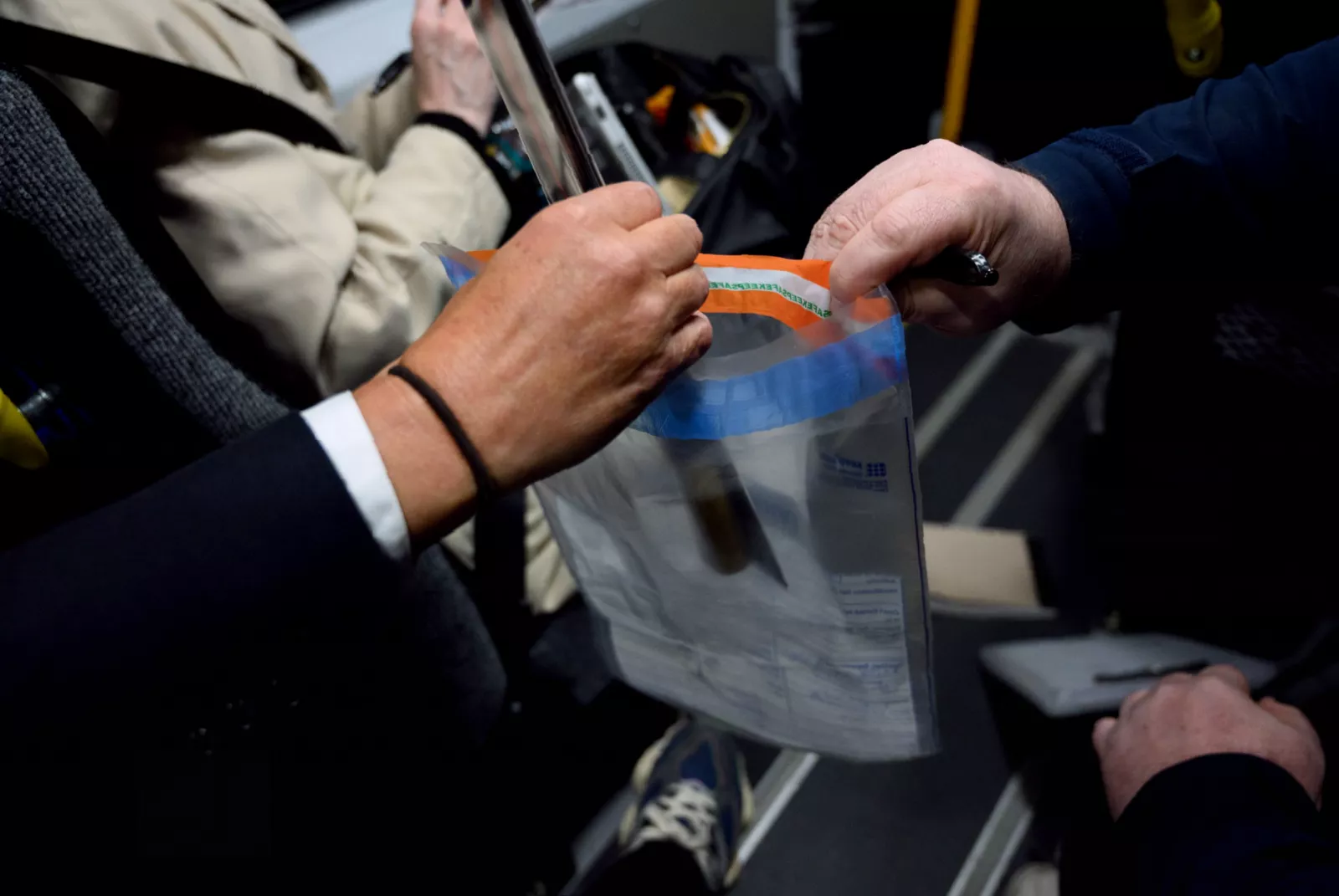
The Statistical Landscape: Progress Amidst Persistent Risk
Against this backdrop of retail compliance challenges, the overall data on knife crime and violence presents a complex picture of tangible progress. Detective Superintendent Vicky Tunstall stated that knife crime in Tower Hamlets, the borough containing Bethnal Green, has fallen by around 75%. The Met Police removed 2,894 knives from London’s streets in 2025, a sharp increase from 1,743 the previous year.
At the most serious end, the figures show significant reductions. There were 97 homicides in London in 2025, an 11% reduction from 2024 and the lowest total since 2014. Teenage homicide has fallen to a joint lowest level in almost three decades, with just eight teenage victims in 2025—a 73% decrease since 2021. Furthermore, homicides involving victims under 25 have decreased by 74%, with 18 such deaths in 2025 compared to a peak of 69 in 2017.

However, these encouraging trends coexist with sobering realities and broader national concerns. In the year ending March 2025, 52 young people under 25 were still murdered with a knife or sharp object in London; 14 of them were under 16. Nationwide, while offences involving a sharp instrument in England and Wales saw a slight decrease of 1.2% to around 53,000 in the year to March 2025, they had risen in previous years and remain a persistent issue. Locally, Bethnal Green exhibits high crime levels on some of its main roads, and initiatives like knife amnesty bins in Tower Hamlets, which collected 1,222 blades in November 2024, indicate a continued presence of weapons.
This juxtaposition of falling homicide rates and readily available knives underscores a nuanced challenge. While enforcement operations like test purchases and amnesties, alongside prevention projects like the “No Knives” programme in Tower Hamlets, contribute to the decline, the ease of access at the point of sale suggests the fight is far from over. The underlying drivers of youth violence, including poverty, inequality, and exploitation, mean that reducing physical access to weapons remains a critical front line, even as the broader statistical tide turns.