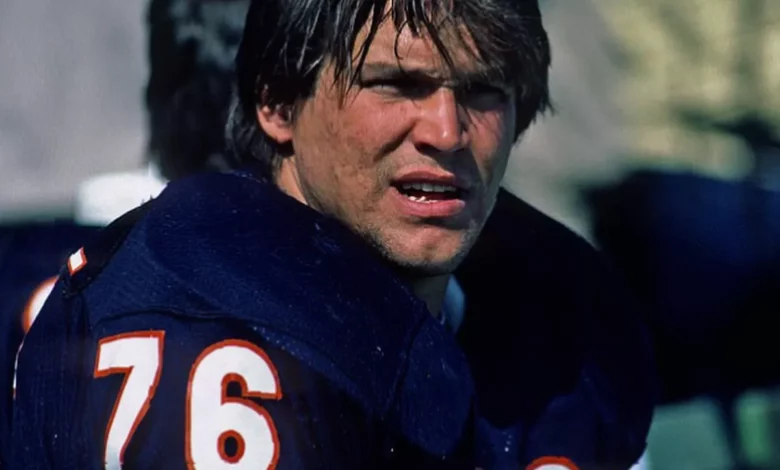
The late NFL Hall of Famer Steve McMichael has been posthumously diagnosed with chronic traumatic encephalopathy (CTE), a neurodegenerative disease linked to repetitive head trauma. The diagnosis was confirmed by the Concussion & CTE Foundation, following an analysis of his brain tissue donated after his death at age 67 in April 2025.
A Dual Diagnosis: CTE and ALS
McMichael’s final years were defined by a five-year battle with amyotrophic lateral sclerosis (ALS), also known as Lou Gehrig’s disease, which affects nerve cells in the brain and spinal cord, causing loss of muscle control. His case, however, has brought a stark medical intersection into focus. Researchers have established a concerning link between the head trauma inherent in contact sports like American football and the development of such conditions.
According to a 2021 study by the Harvard Medical School and the Boston University CTE Center, NFL players are more than four times more likely to develop ALS than other men. Dr. Ann McKee, director of the Boston University CTE Center, stated that about 6% of individuals with CTE in her centre’s brain bank also have ALS. “There is strong evidence linking repetitive brain trauma and ALS,” Dr. McKee said.
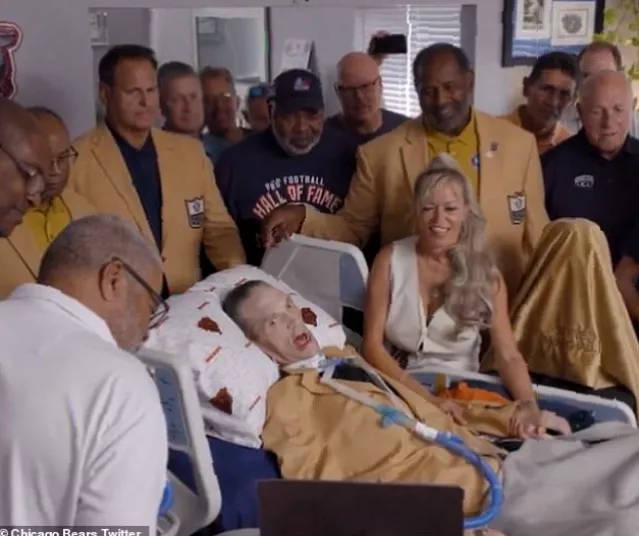
It was this potential connection that motivated McMichael and his family. After publicly revealing his ALS diagnosis in April 2021, McMichael followed research into the link and pledged his brain for study, according to Chris Nowinski, co-founder and CEO of the Concussion & CTE Foundation. His wife, Misty McMichael, said in a statement, “I donated Steve’s brain to inspire new research into the link between them.” She added, “Too many NFL players are developing ALS during life and diagnosed with CTE after death.”
CTE, which can only be definitively diagnosed after death, is a degenerative brain disease found in individuals exposed to repetitive head impacts. It is known to cause symptoms including violent mood swings, impulsive behaviour, and depression. McMichael’s physical decline from ALS was severe; he was reported to have lost 60-70 pounds and was paralysed from the shoulder down before entering hospice care. For his courage in facing the disease, he received the Les Turner ALS Foundation’s inaugural ALS Courage Award in September 2021.

A Legendary NFL Career
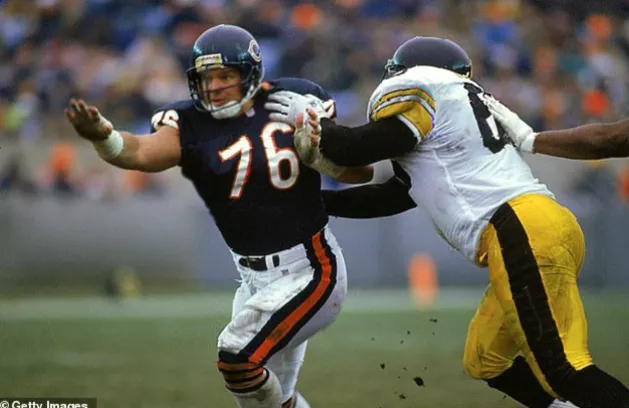
Steve McMichael was a cornerstone of one of the most famous defences in NFL history. A defensive tackle, he was a key member of the 1985 Chicago Bears team that won Super Bowl XX. Known for his remarkable durability and toughness, he played in a franchise-record 191 consecutive games for the Bears from 1981 to 1993, earning the nicknames “Mongo” and “Ming The Merciless.”
Over a 15-season career that began with the New England Patriots in 1980 and ended with the Green Bay Packers in 1994, McMichael amassed 95 sacks, 847 tackles, and played in 213 games. He ranks second in Bears franchise history for sacks with 92.5, behind only Richard Dent. A two-time Pro Bowl selection and multiple All-Pro, his accomplishments were crowned with induction into the Pro Football Hall of Fame in 2024.
Following his NFL career, McMichael transitioned to professional wrestling, joining World Championship Wrestling where he became a member of the famed “Four Horsemen” faction and held the WCW United States Heavyweight Championship. He later worked as a colour commentator and made appearances in the WWF. He also coached the Chicago Slaughter of the Indoor Football League and was part of a band with former Bears teammates called “The Chicago 6.”
Reflecting on his legacy, Chris Nowinski of the Concussion & CTE Foundation said, “Steve McMichael was known for his strength, toughness, and larger-than-life presence, but his final act was to give a piece of himself back to the sports community so that we might have a chance to save ourselves.”