Nine in ten retailers based in rural locations have been victims of crime in the past 12 months, according to research that lays bare the scale of theft and shoplifting hitting remote parts of the UK. The survey, conducted by the commercial insurer NFU Mutual, found that the financial cost for each affected rural retailer averaged £83,000 over the past year, with one in 20 victims reporting losses exceeding half a million pounds.
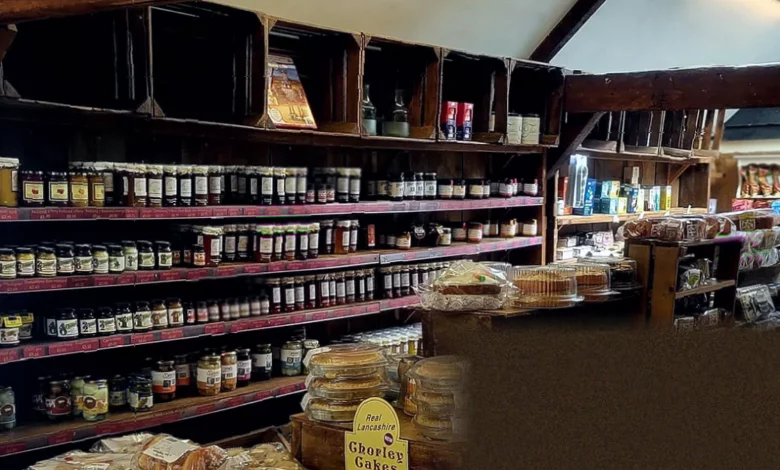
The toll is not only monetary. John Harris, who runs Broadditch farm shop near Gravesend in Kent with his brother Mark, described the emotional aftermath of a break‑in last Easter as “a gut punch”. The shop, which the brothers have operated since 1990 from a former apple‑packing building, was targeted late at night. The perpetrator forced open a skylight, smashed through inner glass doors, pushed the safe down a flight of stairs and wheeled it out of the building. The safe contained £5,000 of takings and two donation pots for a local hospice. “It felt personal, like a weird, horrible feeling,” Harris said. Although a man was subsequently charged, the case has not yet been heard in court.
Financial and emotional cost of rural crime
Beyond the immediate loss, the survey reveals the frequency with which rural retailers are targeted. Nearly a quarter of those surveyed by NFU Mutual had suffered crime on more than six occasions during the year – equivalent to an incident every other month. Only 5% of rural victims reported a single incident. The prevalence is comparable across the UK: inner‑city retailers reported the highest rate at 94%, followed by urban areas at 91% and rural locations at 91%. Over three‑quarters (77%) of rural retailers surveyed said they believed crime had increased nationwide over the last 12 months.
Rural crime is increasingly organised and sophisticated. The NFU Mutual research notes that criminal gangs now employ advanced technology such as drones, and that high‑value farm machinery is often stolen to order and sent abroad. Livestock theft remains a significant issue, with organised gangs sometimes stealing large numbers of animals. The insurer’s 2024 rural crime report estimated the overall cost of rural crime in the UK rose by 4.3% in 2023 to £52.8 million, with GPS theft surging 137% to £4.2 million. Its 2025 report showed a 16.5% fall to £44.1 million, but Wales saw an 18% increase, and livestock theft alone was estimated at £3.4 million in 2024.
The mental wellbeing of farmers and rural business owners is also being severely affected. The NFU Mutual 2024 rural crime report found that 86% of its agents noted negative effects on farmers’ mental health; the 2025 report put that figure at 96%. Underreporting remains a major problem: around 32% of incidents are not reported to the police, often because victims feel the crime is too trivial or that the authorities will not take action.
Staff abuse and government action
Retail workers in rural areas are bearing the brunt of the rise in crime. Just under half (46%) of the 150 rural retailers surveyed said staff had been verbally abused in the past 12 months, and a quarter reported physical assaults on employees. Nationally, the British Retail Consortium (BRC) recorded around 737,000 incidents of violence and abuse against retail workers in 2023‑24, and estimated that 1,600 incidents occurred each day in 2024‑25. A separate study from the BRC reported 5.5 million shoplifting incidents in 2025, costing the industry an estimated £400 million. Police‑recorded shoplifting offences in England and Wales reached 530,643 between April 2024 and March 2025 – a 19.5% increase on the previous year and the highest figure since 2002‑03.
The total cost of retail crime, including prevention measures, reached £4.2 billion annually in 2023‑24, up from £3.3 billion the previous year. Theft alone cost retailers £2.2 billion in 2023‑24. The Association of Convenience Stores has noted that organised crime is a top motivation for repeat offending.
In response, the government’s Crime and Policing Bill, which became law at the end of April, created a standalone offence for assaulting a retail worker and removed the £200 threshold for “low‑level” theft, which previously carried a maximum six‑month custodial sentence. Separately, the Equipment Theft (Prevention) Act 2023 aims to increase security requirements for new equipment sales to combat theft.
“We know first‑hand the pain and disruption criminals cause our rural communities and retailers with these callous acts,” said Zoe Knight, head of commercial at NFU Mutual. “Farm shops are often family‑run operations and embedded into the local communities. They have sadly been targeted in the past – and continue to be so – due to their remote locations, so it is vital that owners take all necessary and appropriate preventative steps to try to deter thieves.”
Since last year’s break‑in, the Harrises have “beefed up security with locks and an alarm”, John Harris said. “There has always been petty theft on farmyards of things like diesel and quad bikes, but now it seems like things are being targeted and stolen to order.”