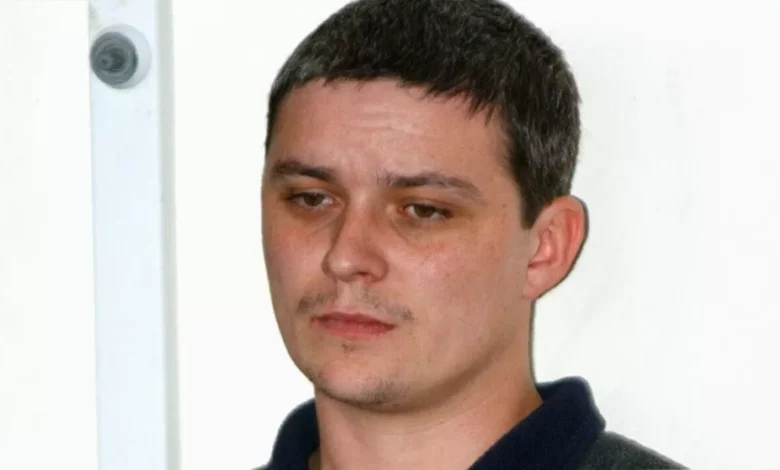
Taxpayer funds covered nearly £2,000 for the cremation of Soham murderer Ian Huntley, the Ministry of Justice has disclosed, prompting a wave of public anger.
The total bill of £1,915 included a £585 unattended cremation fee, £625 in professional services, and £275 to transport Huntley’s body from the Royal Victoria Infirmary in Newcastle, where he died after an attack at HMP Frankland. A further £100 was paid for staff attendance at the ceremony, £65 for a cremation casket, and £265 for a jute natural coffin – described as an eco-friendly and the most economical option available.
No mourners attended the service. Huntley’s ashes are to be handed to his next of kin, his mother Lynda Richards.
Public outcry over taxpayer-funded funeral
News of the taxpayer bill drew widespread condemnation, with more than 64,000 people signing a petition urging the Ministry of Justice not to use public funds for Huntley’s send-off. The petition demanded that the government waive its £3,000 funeral contribution, cancel any planned prison memorial service, and review whether death-in-custody provisions should automatically apply to those convicted of serious crimes against children.
Huntley’s daughter, Samantha Bryan, has stated that she does not believe her father deserves a funeral or a grave and said she would not attend any service.
How the Ministry of Justice funds prisoner funerals
The Ministry of Justice operates a standard policy to cover basic funeral expenses for deceased prisoners, offering up to £3,000 towards essential costs. The money is paid directly to the funeral director and does not cover extras such as wakes or headstones. The contribution is only made if the prisoner did not have a pre-paid funeral plan and if the family is not entitled to a grant from another government department.
The policy has previously been used for other high-profile criminals. The Ministry of Justice spent £3,000 on the cremation of Peter Sutcliffe, the Yorkshire Ripper, and the Prison Service paid £2,686 for the funeral of Raymond Morris, who was convicted of the Cannock Chase child murders, in 2015.
Funeral details and Huntley’s death
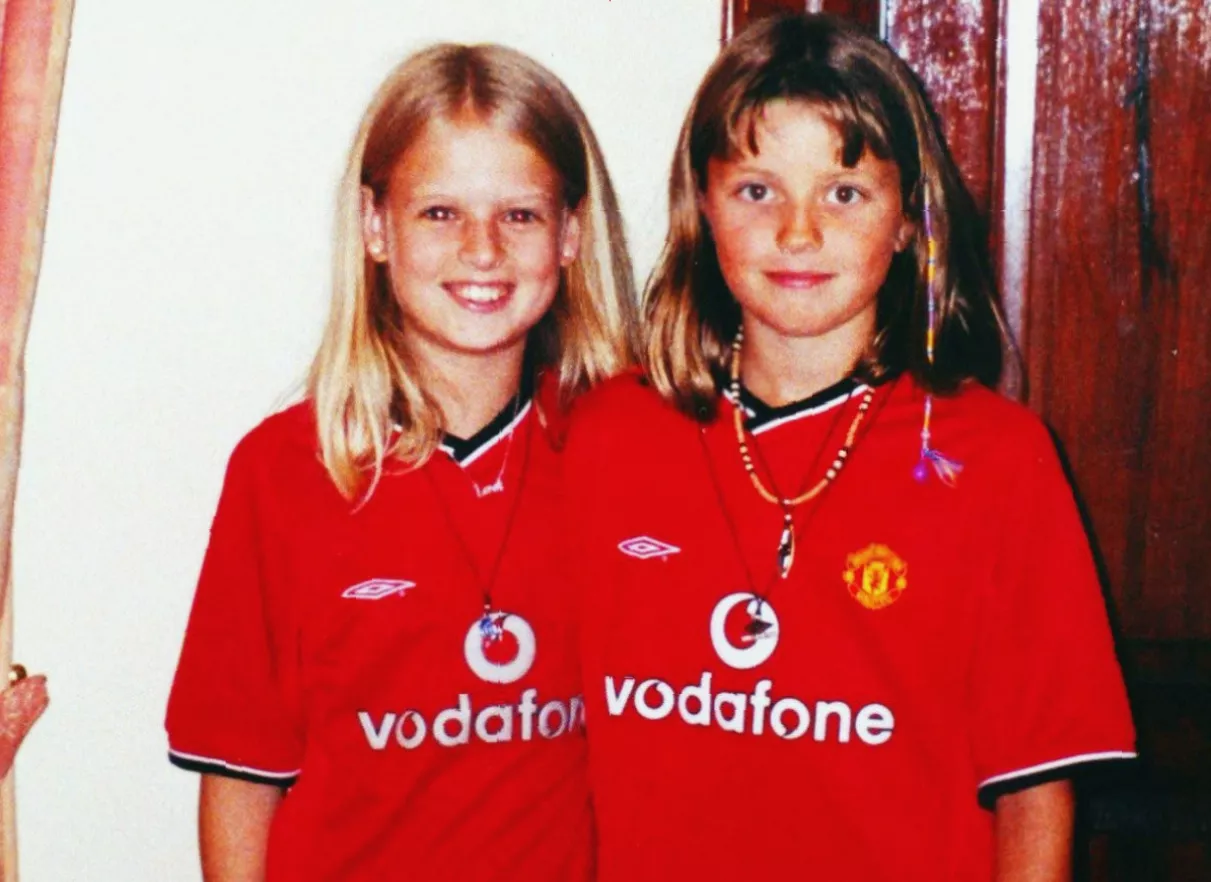
Huntley, 52, was serving a life sentence at HMP Frankland for the murders of 10-year-olds Holly Wells and Jessica Chapman in August 2002. On 7 March 2026, he sustained a fatal injury after being attacked in prison. An inquest later heard he died from a “blunt head injury” after being struck multiple times with a metal bar.
Fellow prisoner Anthony Russell, 43, was charged with Huntley’s murder. Russell has a history of other serious convictions, including a whole-life order for three murders committed in 2020.
Huntley had been convicted in December 2003 after a trial at the Old Bailey, where he pleaded not guilty. He was sentenced to life imprisonment with a minimum term of 40 years. The girls had disappeared after leaving a family barbecue to buy sweets; their bodies were found 13 days later in a ditch. Huntley’s then-girlfriend, Maxine Carr, was convicted of perverting the course of justice for providing him with a false alibi.
A subsequent inquiry – the Bichard Inquiry – highlighted failures in vetting procedures and information sharing that allowed Huntley to be employed as a school caretaker despite previous allegations.
The Ministry of Justice has been contacted for comment.