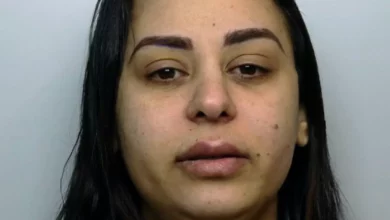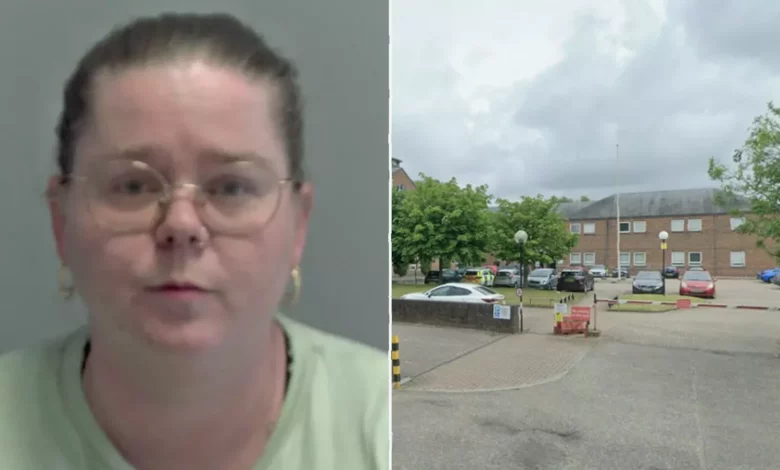
A lonely hearts fraudster who systematically drained the bank accounts of vulnerable men she met online, in one case taking a victim’s final £1.07, has been jailed after her cruel deception unravelled.
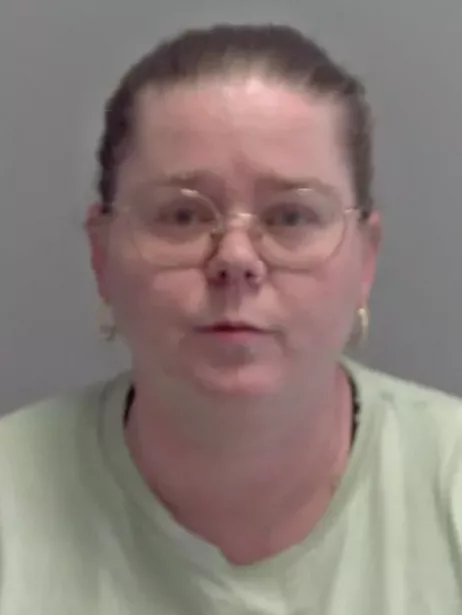
Leonnie Robson, 35, was sentenced to two years and nine weeks at Norwich Crown Court on 13 March 2026, having admitted seven counts of fraud by false representation. The court heard she exploited the hope of companionship to con nine men out of £8,176 between March 2024 and May 2025.
The Human Cost of Calculated Lies
Beyond the financial loss, which was never repaid, the emotional wreckage left by Robson’s scams was laid bare in victim impact statements. One man, who was pursued “mercilessly for everything he had” according to Judge Alice Robinson, said: “Losing this money sucks, but the thing that hurts the most is the confirmation I’m not wanted unless I can be taken advantage of.”
Another victim, who believed he had finally found love, told how the betrayal had shattered his confidence. “I want to meet someone and have that companionship, but I’m now so scared of being hurt,” he said, adding that he had removed himself from online dating entirely.
Prosecutor Simon Gladwell told the court that Robson, a mother of six whose own children are in care, spun an elaborate web of falsehoods to gain sympathy and cash. Her fabricated crises included claims she was undergoing chemotherapy for cancer, was fleeing domestic violence, had lost a child to suicide, and had been made a victim of fraud herself.
The Fraudster’s Playbook
Robson’s method followed a pattern familiar to fraud investigators. She first contacted men on Facebook dating sites before quickly moving conversations to private messaging platforms like WhatsApp.
Once a connection was established, she would begin requesting money, often starting with small sums of £10 or £20 before escalating. On one occasion, she began asking for money just 14 minutes after first making contact. One man was persuaded to empty his entire account for her, while another handed over his last £3,000.
“She repeatedly identified ways she could emotionally control and manipulate her victims,” said investigating officer PC Sally Anderson. “And all while she was already on licence for defrauding people.”
Robson, formerly of Victoria Road and later Dickens Road in Great Yarmouth, has 33 previous convictions for 87 offences, including 31 for fraud. She committed these latest crimes while on licence after serving a second prison term for similar offences.
A National Epidemic of Romance Fraud
Robson’s case is a stark example of a crime that costs UK victims tens of millions annually. According to UK Finance, there were over 8,000 reports of romance scams in 2022, with total losses of £92 million.
More recent data from Action Fraud shows the problem is growing, with losses hitting £106 million in the 2024-25 financial year—an 18% increase on the year before. The average victim loses around £11,000.
While women over 50 are often targeted, data shows victims span all ages and genders. In 2024-25, the 50-59 age group made the most reports, but victims have ranged from under 10 to over 90. Of those who disclosed gender, 51% were female and 49% male.
The tactics are consistent: scammers create fake personas using stolen photos, ‘love bomb’ targets with excessive affection, avoid video calls or meetings, and eventually fabricate emergencies to request money via bank transfer, gift cards, or even cryptocurrency.
Discovery and Sentencing
Robson’s spree was halted in December 2024 when the carer of one victim raised the alarm about the man sending money to someone online. A police investigation subsequently uncovered the eight other victims.
Sentencing her, Judge Robinson said Robson had been “spinning them lies about your personal life in order to gain their sympathy and trust,” and that the “extremely serious” offending required “significant planning.”
PC Sally Anderson emphasised the dual damage caused by such crimes. “Romance fraud is a particularly callous offence because not only do fraudsters inflict financial loss on their victims, they also cause an enormous amount of emotional hurt and pain.”
Authorities urge anyone who believes they or someone they know has been targeted by a romance scammer to contact Action Fraud immediately to report it and seek support. The unequivocal advice is to never send money, share bank details, or make investments based on the advice of someone you have only met online.