Thousands of A Level students face major grading changes after exam papers were leaked online, with Cambridge International opting to void affected papers and assign “assessed marks” in their place. The board has confirmed that AS and A Level mathematics papers and an AS computer science exam were “shared prematurely” — with material circulated in Pakistan, although officials say the leak may not have originated there.
Voided papers and the assessed mark system
Cambridge International has declared last Wednesday’s physics AS and A Level papers void. The affected papers include multiple mathematics components – AS & A Level Mathematics Paper 52 (9709/52), AS Level Mathematics Paper 12 (9709/12), Paper 32 (9709/32), Paper 42 (9709/42), and AS Level Pure Mathematics 1 (9707/1) – as well as AS Level Computer Science Paper 12 (9618/12). While not confirmed by the board, there have been claims that Business Studies and Chemistry papers were also compromised.
For every voided paper, the board will generate what it calls an “assessed mark”. This is a well-established method, the board says, used by other UK exam boards and recognised by universities. To calculate the mark, Cambridge International first creates a ranking of all candidates worldwide who take the same combination of modules. Based on what each student achieves in their other completed exams, they are then awarded a corresponding mark for the component they did not sit. The process is designed to reflect the student’s relative performance across the syllabus. Some papers have also been rescheduled: Mathematics Paper 32 (9709/32) was moved to June 8, 2026, and a replacement for AS Level Mathematics (9709/12) was scheduled for June 9, 2026.
The grading system uses letters: Cambridge International AS Levels are graded a, b, c, d, e (with a the highest), and A Levels are graded A*, A, B, C, D, E (A* being the highest). A performance below the standard for grade E is reported as “Ungraded” (U). If a student is awarded a U for an A Level, they can be re-graded for an AS Level using common components if they meet the standard. The board stressed that the assessed mark method is a recognised university admissions practice and that it has acted swiftly to put alternative measures in place for impacted students.
Student impact: retakes, anxiety and lost control
Pupils have described the disruption as deeply unfair. Tobias Eatough, an 18-year-old sitting A Levels in maths, physics and biology, has been forced to retake two exams and is struggling to recap the content alongside his other subjects. He had hoped to achieve three As to study medical biosciences at Imperial College London. “One of the papers that I felt went best has been cancelled, and they’re now going to assign me a mark, which is just completely unfair,” he said. “It feels like something that should be in my control, but it’s completely out of my hands now. You do so much revision and you’re not even sure if it will count.”
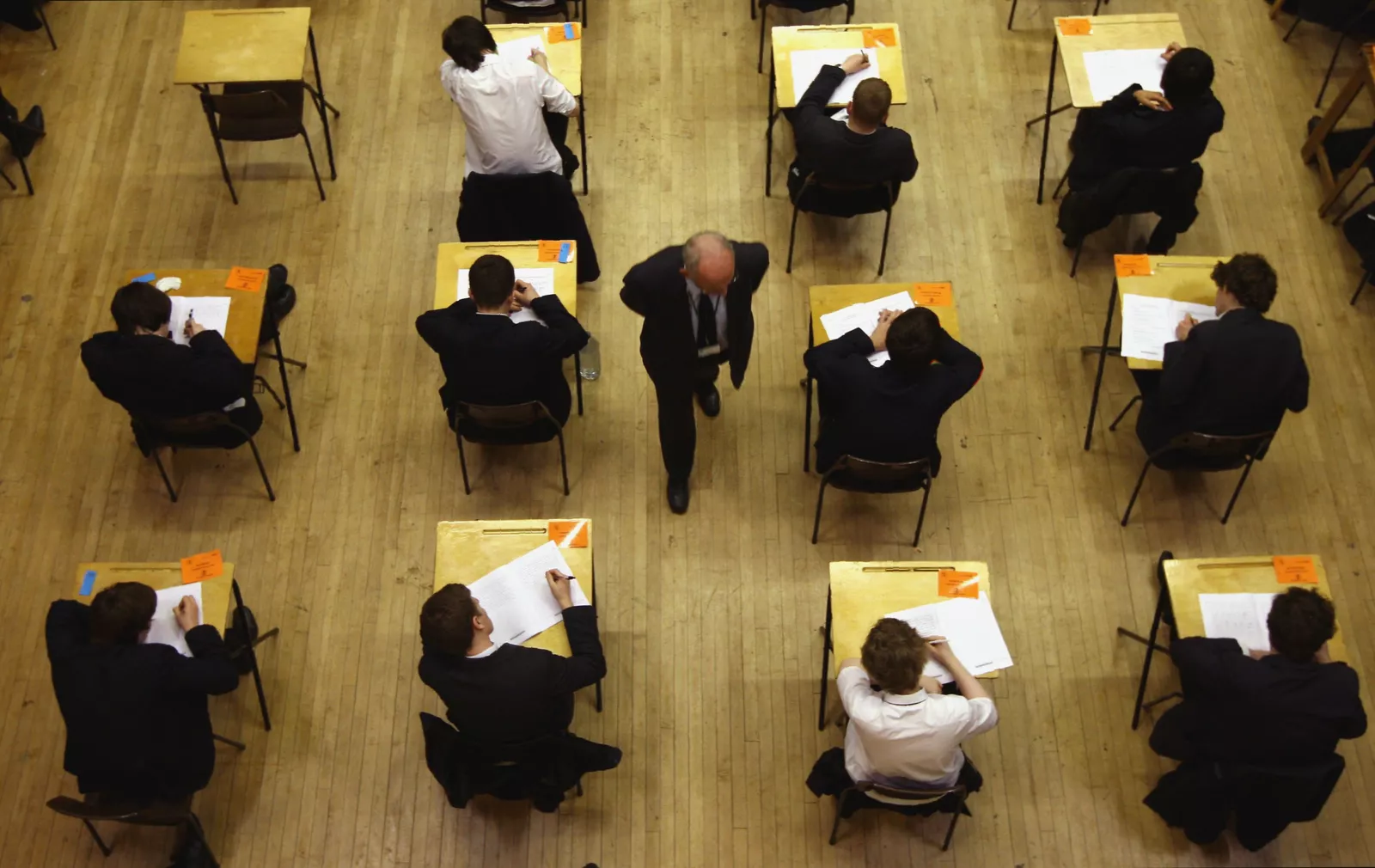
Another pupil, who asked to remain anonymous, said the leaks had upended their revision schedule. “I thought I had two weeks between my last exams and my next economics one. Now I have to revise all of that content at the same time – and these are hefty papers worth about 60 per cent of my grades.” The London-based teenager added that seeing leaked papers was now unavoidable: “When I don’t want to stress myself out on the morning of an exam, sometimes I just scroll on Instagram, and then I might see a paper. It’s just how it is now – you don’t even have to look it up.”
The board’s decisions have triggered anxiety about university admissions and future academic pathways. Students and parents have incurred significant costs for tuition and exam fees, which many feel have been wasted. Repeated security breaches have also eroded trust in the integrity of Cambridge examinations, with pupils voicing concerns that assessed marks may not reflect their true ability. Some have argued that cancelled papers should be re-sat to allow them to improve their grades rather than receiving a calculated mark.
Investigation and official response
Cambridge International confirmed that material has been “circulated” in Pakistan, prompting a national cybercrime investigation ordered by Pakistan’s interior ministry. The National Cyber Crime Investigation Agency (NCCIA) has been directed to coordinate with Cambridge International Education (CIE). A high-level meeting involving officials from the interior ministry, education ministry, British Council, Cambridge International and the NCCIA was held to discuss the concerns. During that meeting, a British deputy high commissioner reportedly suggested the incident appeared to involve “theft rather than an actual paper leak”.
The board itself has launched an internal investigation and is working with law enforcement authorities and social media platforms. It has warned that sanctions will be applied to anyone found to have shared or misused confidential exam materials, including permanent disqualification from its qualifications. Cambridge acknowledged facing “sustained and focused efforts to steal our exam papers” and has agreed to strengthen its systems to address weaknesses and loopholes in the examination process.
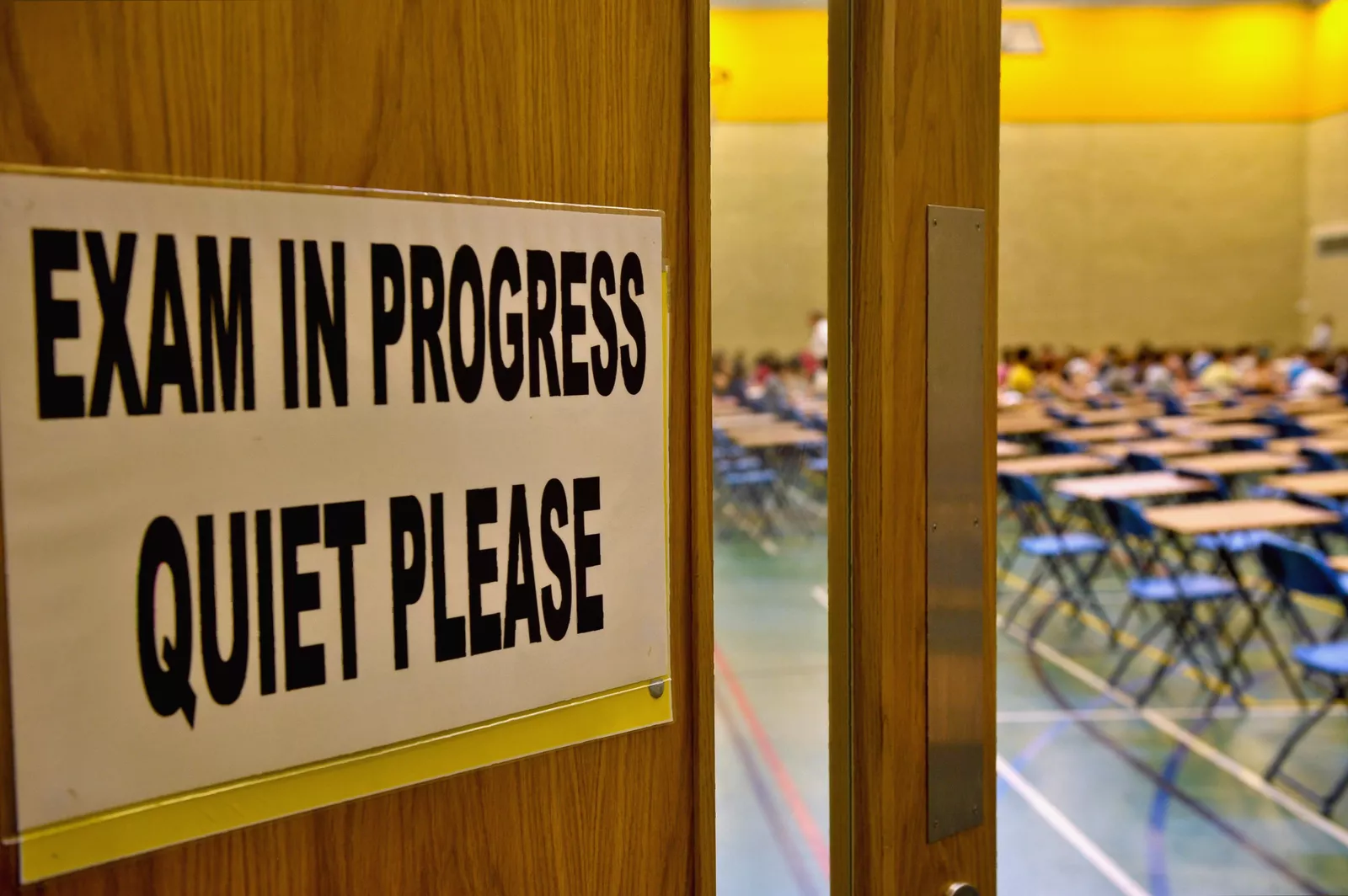
A spokesman for Cambridge International said: “We have acted swiftly to put alternative measures in place for impacted students. It remains rare for the integrity of an exam to be compromised. The theft of these papers is the subject of an active investigation, and we are working closely with relevant law enforcement authorities and other partners.”
The board has advised students and parents to rely only on official announcements and avoid spreading unverified information, noting that fraudsters often claim to have papers for sale to deceive students. The Inter Board Committee of Chairmen has also announced it will seek a report from Cambridge International Education.
This is not the first such incident. Cambridge has experienced similar security breaches in Pakistan in previous years – including in 2024, 2025 and 2017–2018 – as well as leaks affecting other exam boards like Edexcel, which have led to investigations, replacement papers and criminal prosecutions. While the current leaks have been widely circulated in Pakistan, Cambridge has clarified that this does not necessarily mean the source of the leak originated there; leaked materials have also affected students in parts of Africa, Europe, the Middle East and South Asia. The methods of distribution include social media platforms such as WhatsApp, YouTube and Telegram, often appearing hours before exams, with some reports suggesting papers were being sold online.