Across Australia’s national parks, a quiet revolution is reshaping how the public accesses some of the country’s most cherished landscapes. What was once the domain of the family station wagon and the free campsite is increasingly hosting luxury lodges and guided walks costing thousands of dollars, as state governments embrace private operators to develop high-end tourism within protected areas.
A ‘Resort’ in a Pagoda Landscape
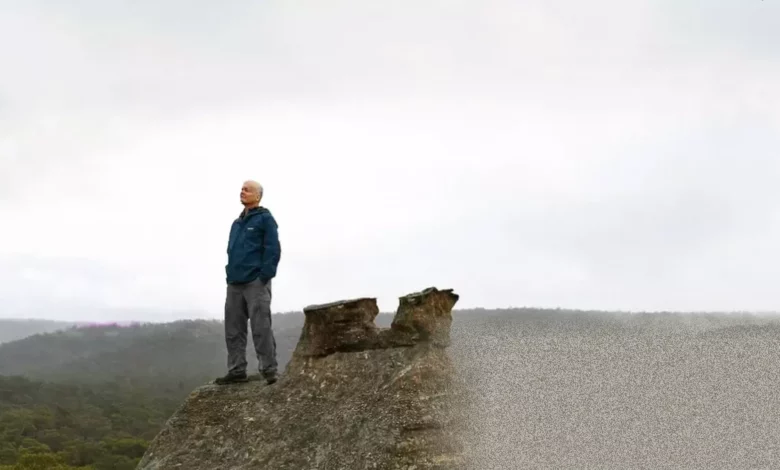
Nowhere is this tension more sharply felt than in the newly protected Gardens of Stone State Conservation Area in the Blue Mountains of New South Wales. Gazetted in May 2022 with a $49.5 million NSW Government investment aimed at boosting conservation and ecotourism, its “spectacular” pagoda rock formations, described by conservation advocate Keith Muir as “symphonies in stone,” are at the centre of a fierce dispute.
The NSW National Parks and Wildlife Service (NPWS), as land manager, has proposed building a 30-kilometre, multi-day “Pagoda walk” through the reserve, accompanied by 18 twin cabins offering glamping-style accommodation. The plan, part of a master plan to balance conservation with visitor experience, would see the facilities leased to a private operator.
For Keith Muir, who lives nearby in Katoomba, the 2022 declaration was undermined by these plans. He argues the development is a resort, not the “bush camps” labelled in public consultation, and sets a dangerous precedent. “If you can develop a resort in the Gardens of Stone,” he says, “you can develop a resort anywhere.”
An NPWS spokesperson contests this, stating the camps are not resorts, will be “low impact and designed to blend into the natural surroundings,” and will occupy “a total area of less than 1 hectare.” The proposal has already faced significant public opposition, with over 1,000 objections submitted against the accommodation and a separate, now-scrapped adventure theme park idea.
The Private Park Trend: From Free Camping to $4,000 Hikes
This shift towards premium, privately operated experiences inside public parks is a distinct Australian trend, according to Ralf Buckley, emeritus professor in sustainable tourism at Griffith University. He notes that parks were historically run for conservation and independent visitors, with basic facilities provided as a public good. “Today,” he says, “particular individuals have been granted rights… to build lodges inside national parks… essentially they get a chunk of prime real estate inside a public national park, free.”
The evidence is in the pricing. A four-day guided walk with stays in private lodges in Tasmania’s Tasman National Park can cost over $4,000 per person, compared to $625 for a self-guided option. In Queensland’s Whitsunday Islands National Park, a catered hike on the Ngaro Track with nights in “comfort camps” exceeds $2,200, while a self-guided walk is $150.
One frequently cited example is the Scenic Rim Trail in Queensland’s Main Range National Park, developed through a partnership between Spicers Retreats and the state government. A three-night catered hike there costs over $3,000, whereas independent walkers can camp for $22.50. A Queensland environment department spokesperson defends such ventures, saying they “deliver jobs, support local businesses and regional tourism while expanding public access and strengthening national park protection through revenue.”
The Operator’s Defence: Access and Funding
The company initially lined up to run the Gardens of Stone walk, Wild Bush Luxury, did not respond to interview requests. However, tourism giant Intrepid Travel is in the process of acquiring the operator, with the deal set to be finalised in February 2026.
Brett Mitchell, Intrepid’s Australia New Zealand managing director, rejects the characterisation of the Gardens of Stone plan as a resort. He argues that managed tourism protects environments and supports underfunded parks. “Quite frankly, a lot of people don’t have the privilege of being able to carry a 25-30kg backpack and walk into a number of these reserves and parks,” Mitchell says, adding that such facilities “increase the accessibility.”
This view finds support from Neil Lynch, managing director of the Tasmanian Walking Company, which holds exclusive commercial rights to the Three Capes Track. He says commercial operators can have a place if they are small-scale and meet high environmental standards, providing “a pathway into wilderness for people who may not otherwise go there.” Lynch states his customers contributed $1 million to Tasmanian Parks and Wildlife last year.
‘An Oxymoron’: The Conservationist Pushback
This logic of increased access cuts little ice with veteran campaigner Bob Brown, who over a decade ago was called “elitist” for opposing the Three Capes development. He sees a new wave of “green shoe brigade developers” targeting the last wild places. “Worldwide, nature is disappearing at the greatest rate in human history,” Brown says. “Now we’ve got a wave… who want to go into the very little of our country that is still wilderness, and make money out of it.”
While he acknowledges a place for nature-based tourism, he insists it should be on private land, not public reserves. Brown practises what he preaches: he donated his former home in Tasmania’s Liffey Valley to Bush Heritage Australia, now a conservation reserve with World Heritage-listed sections. He reserves particular scorn for the term “wilderness lodge.” “Wilderness is country that is free of the impact of modern technology. Full stop,” he states. “The greatest oxymoron of all this is the so-called wilderness lodge.”
Back in the Gardens of Stone, the future of the walk remains uncertain. A draft review of environmental factors for three bush camps is open for public feedback until 26 February 2026. The NSW government has already intervened once, with Environment Minister Penny Sharpe scrapping the proposed adventure theme park in November 2023. For Professor Ralf Buckley, the broader direction is clear. Australia, he says, is at the forefront of a trend that is fundamentally “changing the nature of the country’s protected natural places.” The battle over the pagodas is just one front in a nationwide debate over who our parks are for, and who gets to profit from them.