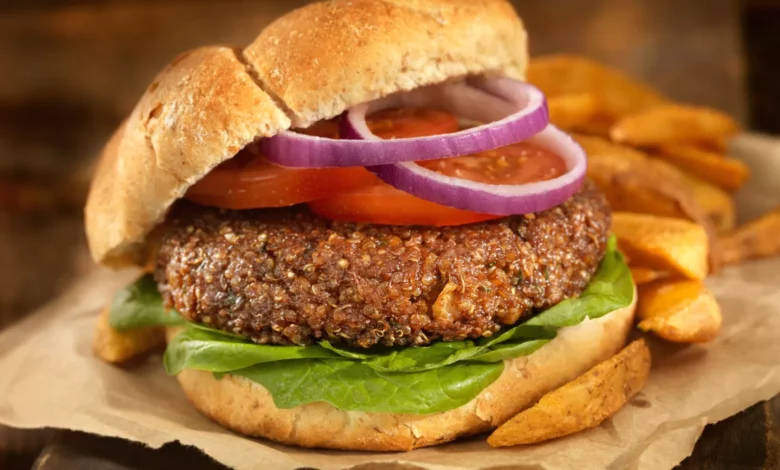
Every one of the 212 plant-based food and drink products tested in a UK study was found to contain at least one type of mycotoxin, a naturally occurring poisonous compound produced by fungi. The products, which included meat and dairy substitutes such as burgers, vegetarian chicken pieces and vegan sausages, as well as oat, almond and soy-based milks, all showed contamination with one or more of 19 different mycotoxins examined by researchers from the University of Parma in Italy and Cranfield University in Bedford.
Cumulative Exposure and Health Risks
While mycotoxins occur naturally in small quantities and pose little risk at low levels, the research team warned that a diet heavily reliant on meat and dairy substitutes “could lead to a cumulative build-up of mycotoxins, potentially resulting in health problems if not managed properly”. In severe cases, the academics said, exposure can cause liver and kidney damage, immune system suppression and cancer. The findings, published in the journal Food Control, highlight a particular concern for individuals who consume plant-based alternatives as a staple part of their diet, because the same raw ingredients – grains, legumes and seeds – are used repeatedly and can be contaminated by mould during cultivation and storage.
The study revealed that mycotoxin levels were significantly higher in plant-based meat alternatives than in beverages, a pattern attributed to the complex mix of ingredients such as cereals and legumes. Among meat alternatives, legume-based and mixed cereal-legume products showed the highest occurrence, with aflatoxins – classified as Group 1 carcinogens by the World Health Organization – detected in up to 66.7% of legume-based products and up to 82.6% across all meat alternatives. Emerging Fusarium toxins were widespread: enniatins were found in 93–99% of meat alternative samples, beauvericin in 98.9%, and the Alternaria toxins alternariol, alternariol monomethyl ether and tentoxin in 75%, 85.9% and 77.2% respectively. In beverages, soy-based products showed a high prevalence of ochratoxin A at 90%, while beauvericin, enniatin B and enniatin A were detected in 71.9% to 100% of plant-based drinks.
Multiple mycotoxins were frequently found together in the same product, a pattern the researchers said could lead to additive or synergistic toxic effects. This co-occurrence raises the possibility that even if individual toxins remain below guideline thresholds, their combined presence may pose a greater health risk than any single contaminant. Previous research indicated that children in the UK are regularly exposed to multiple mycotoxins at levels that could be a health concern, adding to the urgency of assessing cumulative exposure among vulnerable populations.
Regulatory Concerns
The study noted that mycotoxin levels in the UK products tested were lower than recommended EU guideline levels, which the authors said reflected “the high-quality standards of the UK food industry”. However, they pointed to a critical gap: there are currently no specific regulations in place to monitor mycotoxins in many of these novel plant-based food categories. Andrea Patriarca, a senior lecturer in mycology at Cranfield University, said: “Mycotoxins occur naturally in foods and cannot be completely avoided. As consumers, we should not be frightened or deterred from enjoying a variety of products. However, a significant concern arises when new foods enter the market, as there are currently no established regulations to monitor mycotoxins.” She added that the data from their research helps food safety organisations assess risks, “particularly in complex multi-ingredient products”.
The European market for plant-based products has experienced unprecedented growth in recent years, yet research into their safety has not kept pace. The academics noted that “while the environmental and nutritional benefits of an increased plant-based product consumption are well-established, gaps are still present in their safety assessment, and more specifically regarding the occurrence of potential unregulated contaminants”. With only a few studies examining mycotoxin prevalence in plant-based meat alternatives and beverages, the team said a clearer picture is still lacking. They are currently collaborating with the University of Parma to evaluate the risks faced by the population based on different dietary habits, aiming to advise policymakers and raise awareness among vulnerable consumers.