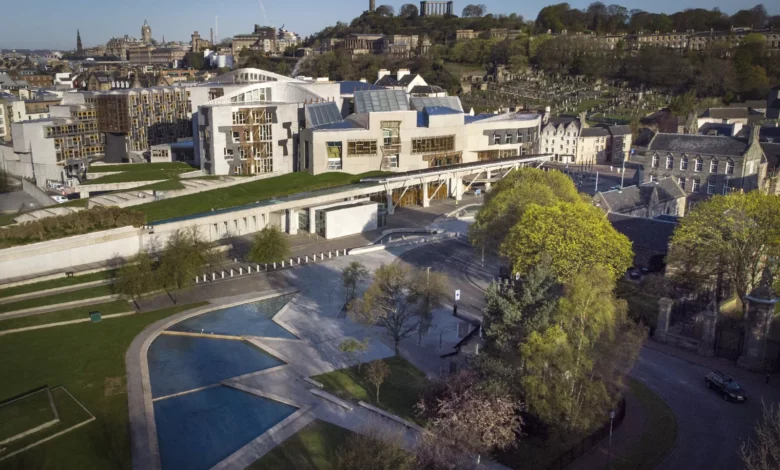
Scots vote today for 129 MSPs amid cost of living concerns, with polling stations open from 7am to 10pm as the six-week campaign reaches its climax. The outcome, expected late Friday evening, will shape the next government at Holyrood and could determine the direction of the independence debate.
Voters will cast two ballots under the Additional Member System: one for a local constituency MSP (73 seats, first past the post) and one for a regional list (56 seats, proportional representation via the D’Hondt formula). Unlike previous elections – except the 2021 contest held during the pandemic – counts will take place on Friday rather than overnight, meaning the final result is unlikely before late evening.
SNP makes independence the central pitch
First Minister John Swinney’s SNP has led the polls throughout the campaign. Swinney told voters that a majority for his party – rare under Holyrood’s voting system – would allow him to put more pressure on Westminster to grant a second independence referendum. He has pledged to bring forward a vote seeking independence powers on the first sitting day of the new parliament if the SNP wins a majority, and to publish a draft referendum bill within 100 days, using the same question as the 2014 vote.
Speaking on the eve of polling, Swinney called the election “Scotland’s opportunity to choose a better future by voting SNP for real action on the cost of living, to lock Nigel Farage out of power, and to secure a fresh start with independence”. He added: “By casting both votes for the SNP, Scotland can elect a strong majority SNP government that will always stand up for Scotland, prioritise the cost of living, and deliver that fresh start of independence that Scotland needs.”
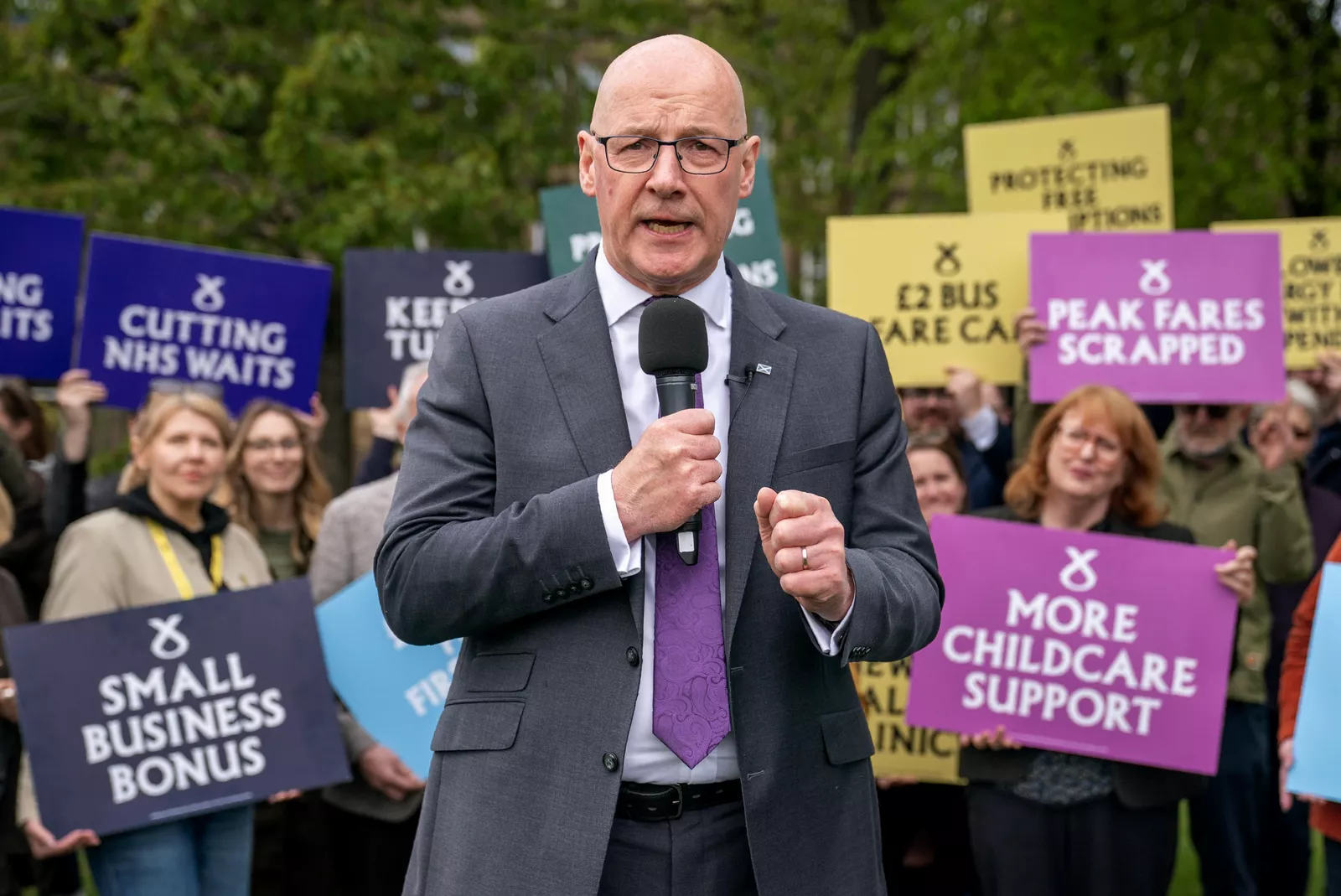
SNP Westminster leader Stephen Flynn, who is standing for Holyrood in this election, told the Press Association an hour before polls opened: “The increasingly unaffordable cost of living in the UK has defined this election. Brexit Britain is Broken – and Scotland is trapped in a never-ending cycle of soaring bills and constant chaos under Westminster control. The fresh start of independence is the opportunity Scotland can’t afford to miss. It is the opportunity to use Scotland’s huge energy wealth to lower household bills and build a better future – but it will only happen if people unite behind the SNP today. Every vote for the SNP will count to deliver the strongest possible support with the cost of living now – and to escape the constant chaos of Westminster control with independence.”
Cost of living dominates party pledges
The campaign has been defined by the cost of living crisis, consistently ranked as the top concern for Scottish voters. Leading economists have urged the next government to prioritise economic challenges over immediate constitutional debates.
The SNP has pledged to cap bus fares and the prices of supermarket essentials. Reform UK and the Scottish Conservatives have focused on tax cuts. Scottish Labour has also pitched tax cuts, but only if an Anas Sarwar-led government can kickstart the economy. The Scottish Greens have pledged to introduce more taxes on the wealthy, large companies, aviation, gambling and landlords to fund universal free bus travel. The Scottish Liberal Democrats have put the NHS and social care at the centre of their campaign.
The Conservatives’ manifesto proposes cutting income tax, raising the income tax threshold in line with inflation, and closing the tax gap between Scotland and the rest of the UK. Labour is campaigning on a platform of “fixing the SNP’s mess”, promising more homes, a smaller public sector, and aspirations to reduce tax rates and cut business rates when finances allow. Greens also advocate for capping primary school class sizes, a family doctor for every 1,000 residents, building new social homes, expanding free childcare, pay parity between NHS and social care nurses, and transferring failing care homes into public ownership. The Liberal Democrats additionally back investment in “sectors of the future” such as AI, fintech and biotech, and are considering small modular nuclear reactors – a stance that contrasts with the SNP’s official opposition to nuclear power.
Reform UK poised for breakthrough
One of the unknowns ahead of Friday’s results is the fate of Reform UK. The party, whose UK leader is Nigel Farage, has been polling well for the first time at Holyrood and looks poised to win at least a dozen seats. One of the key battles is between Lord Malcolm Offord’s party – Reform UK – and Labour for second place. Reform is projected to win seats in every region, campaigning on tax cuts and making work pay more than welfare. Its rise is seen as splitting the unionist vote and potentially reshaping the political landscape.
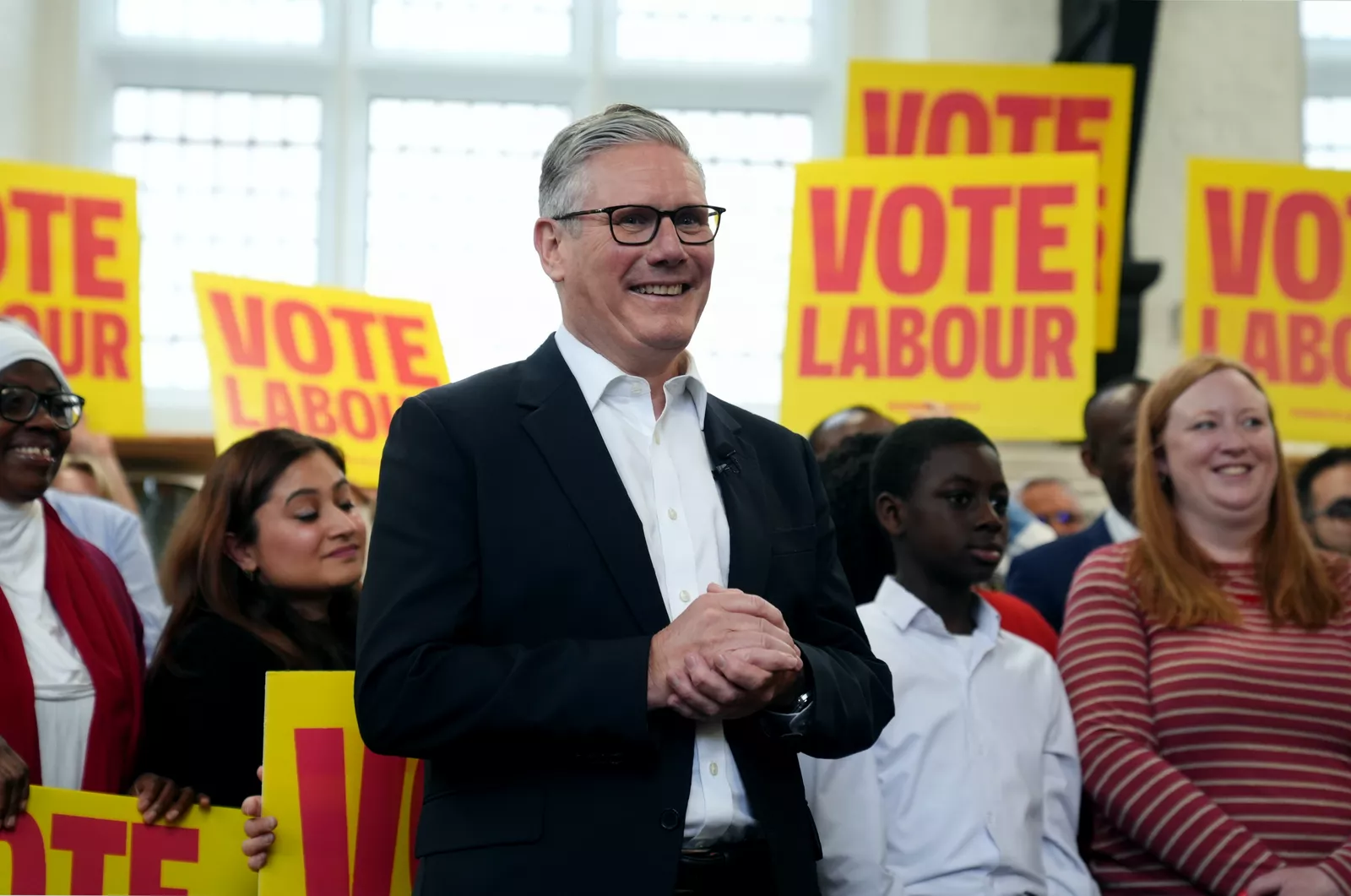
Anas Sarwar has insisted the polls – some of which put Labour in third or even fourth place – are getting it wrong and his party will defy the pollsters, but it is a far cry from the success Labour experienced at the 2024 election in Scotland. Labour is facing its worst result since 1910, according to forecasts. Sarwar cut ties with Prime Minister Sir Keir Starmer in February, calling for him to stand down in the wake of the Mandelson scandal, severing an alliance that had held since the pair took over their respective parties.
Greens and Lib Dems forecast gains
The Scottish Greens and the Liberal Democrats also look set for gains. Greens are forecast to win their first-ever local constituency. Co-leader Gillian Mackay said every vote for her party was “a vote for a fairer, greener and independent Scotland and to reject the hatred and division of Reform UK”. She insisted: “We don’t have to accept a broken status quo. It’s time to demand better.” The Greens have been endorsed by The Muslim Vote Scotland.
The Liberal Democrats, led by Alex Cole-Hamilton, are on track to double their representation, according to polls. They have put NHS, education, cost-of-living and transport infrastructure at the forefront, alongside support for economic growth and restoring investor confidence.
Conservatives face historic decline
The Scottish Conservatives’ recent history of defying political gravity – initially engineered by former leader Ruth Davidson – which saw them grasp the unionist vote and sit in second place for the past decade could be over. Russell Findlay’s party is projected to shed votes and seats, potentially producing its worst Holyrood result. The party’s campaign has centred on tax cuts to address the cost of living and making work pay.
Behind the scenes, the spectre of Brexit continues to influence the political landscape. Scotland voted overwhelmingly to remain in the European Union, and public opinion remains more pro-EU than the UK average, though it has not been a dominant campaign theme. The potential for a pro-independence majority in Holyrood – if the SNP and Greens together command more than 65 seats – remains a significant factor, even as economists urge the next administration to focus on household finances over constitutional change.
Bute House, the official residence of the First Minister since 1999, awaits whoever emerges from the count in control of the Scottish government.