UK forces carry out first boarding of sanctioned Russian tanker in English Channel, Starmer confirms

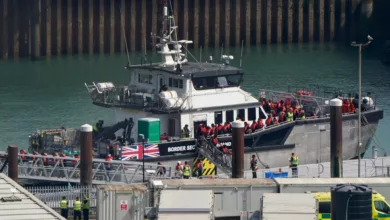
British forces intercepted a Russian shadow fleet vessel in the English Channel in the early hours of Sunday morning, the UK’s prime minister, Keir Starmer, has confirmed. Royal Marine commandos and specially trained law enforcement officers from the National Crime Agency boarded the sanctioned oil tanker Smyrtos during a six-hour operation, according to the Ministry of Defence (MoD). The vessel will be held and monitored for any environmental or safety concerns off the south coast of England as investigations continue.
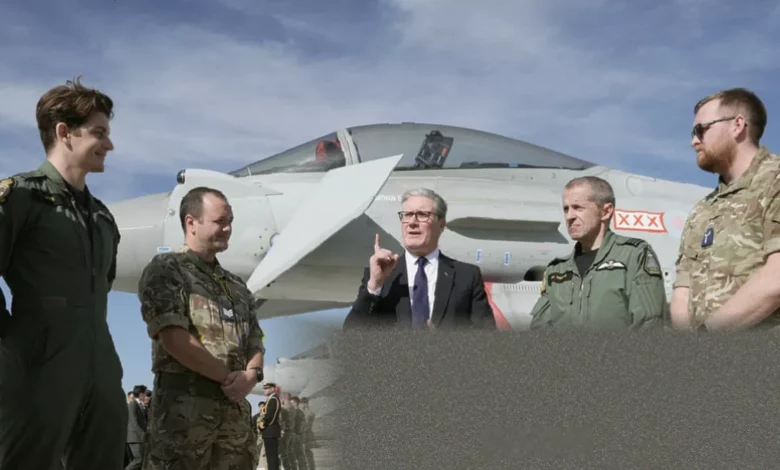
In a statement, Starmer said: “This operation delivers yet another blow to Russia and reminds those fuelling (President Vladimir) Putin’s war in Ukraine that they cannot hide.” The new defence secretary, Dan Jarvis, a former Parachute Regiment officer, added: “Operations like this require skill, professionalism and courage. I pay tribute to our armed forces personnel and all those involved. Russia relies on its shadow fleet to fund their conflict in Ukraine and our interdiction delivers a blow to Putin’s illegal war.”
The Smyrtos is reported to be one of approximately 700 vessels in the so-called shadow fleet, which Moscow uses to evade international sanctions on its oil exports. The MoD said this fleet is responsible for carrying 75% of Russia’s sanctioned oil, providing what analysts describe as a critical financial lifeline for the Kremlin. The UK has already sanctioned more than 500 vessels, and the ministry said these measures are working, with Russia’s oil and gas revenues falling by 24% year-on-year in 2025 — a drop of 27% since October 2024, according to some reports.
Sunday’s operation is the first time the UK has led such an interdiction. It was conducted in close cooperation with French authorities, who have previously intercepted Russian shadow fleet tankers including the Grinch in January and the Deyna in March. The boarding itself involved support from Maritime Air Group helicopters — Chinooks, Merlin Mk4 and Wildcat — an RAF P‑8 aircraft, and Royal Navy ships HMS Sutherland and HMS Ledbury. The enforcement action was carried out in UK territorial waters in accordance with domestic and international law; Starmer had authorised British armed forces and law enforcement officers to board shadow fleet vessels in March under Article 110 of the UN Convention on the Law of the Sea, which permits warships to verify a vessel’s flag if there are reasonable grounds to suspect it is without nationality.
Conservative Party leader Kemi Badenoch paid tribute on X, writing: “I pay tribute to the brave Royal Marine Commandos who boarded a Russian shadow fleet oil tanker overnight in the English Channel. Russia’s illegal war in Ukraine is funded by their oil exports in defiance of sanctions. As Leader of the Opposition, I support the government in standing with Ukraine.”
Defence funding row deepens after resignations
The interception comes days after a tumultuous period at the Ministry of Defence. Former defence secretary John Healey and former armed forces minister Al Carns resigned their posts following a protracted row over the Defence Investment Plan (DIP). Both said the plan, which has faced repeated delays, is seriously underfunded and falls short of what the department needs to keep Britain safe at such a volatile time.
Healey stated that the government was only willing to provide an extra £10bn in additional funding, a figure he said is well below what is needed amid the threat from Russia and other major security challenges. According to reports, the Treasury had offered a total package of £13.5bn, of which £10bn represented genuinely new money, falling short of the £18bn over four years that the Ministry of Defence had reportedly sought. Healey warned that the settlement would force decisions that would “reduce the readiness of our forces and increase the risk to personnel on operations, and could make the country less safe.”
The DIP, as agreed by the Treasury, is said to aim for defence spending to reach 2.68% of GDP by 2030 — a figure Healey considered insufficient given the immediate threats. Some reports suggest the government has a longer-term ambition to reach 3.5% of GDP by 2035. Starmer has defended the plan, describing it as delivering an “unprecedented increase in defence spending in a sustainable way.”
We owe those who serve the UK the kit to do the job and the loyalty to stand by them when it's done. We are failing on both.
I’ve spent my whole time in government making that case. Number 10 will not listen, so I am resigning as Minister for the Armed Forces.
Letter to the PM… pic.twitter.com/HDCIOcVsA5
— Al Carns (@AlistairCarns) June 11, 2026
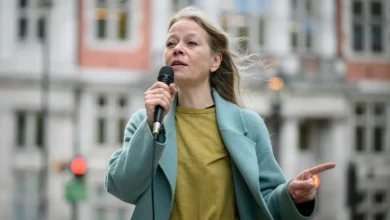
Carns, in his resignation letter, argued that the government was not only failing to increase funding adequately but was also planning to spend money on outdated systems. Lisa Nandy, the culture secretary, said she agreed with some of Carns’s points. Speaking on Sky News, she said: “I think Al Carns put it very well in his resignation letter. The challenge is both to transform the way that we do defence, it is to increase the levels of spending even further than this government has already done in order to meet this moment. But it is also to invest more broadly in the national resilience of the country.” Nandy added that she would not pretend negotiations with the Treasury were easy, noting they can be “quite tense and quite difficult.”
The new defence secretary, Dan Jarvis — who has operational experience in Kosovo, Iraq, Afghanistan and Northern Ireland — told the Sunday Telegraph that he had a “big responsibility” towards soldiers who risk their lives for the country. “The defence of our nation is a shared endeavour,” he said. “I have a responsibility now to them to make sure that they get what they need, and people should be very clear about my determination to fulfil those duties.”
Nandy also pointed to the government’s decision to slash the aid budget as evidence of its commitment to properly funding defence, and said departments are looking at further budget cuts to help fund the military. When pressed on whether Jarvis would be given more money than was offered last week, she said: “I don’t know. I don’t know what stage the negotiations had reached when John Healey decided to resign.” She confirmed that the government will publish the Defence Investment Plan ahead of the Nato summit scheduled for early July in Ankara, which US president Donald Trump is expected to attend.
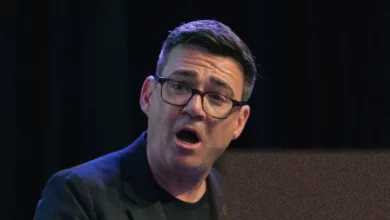
Greater Manchester mayor Andy Burnham — who is widely speculated to seek the Labour leadership if he wins the Makerfield byelection on 18 June — has suggested that cuts to welfare could be used to fund significant increases in defence spending. “I am not squeamish about saying that the plan would be to reduce the welfare bill,” Burnham told The Times. “It is not the traditional Westminster way of just crude cuts, short-term cuts that then create a backlash. It is actually going to do things that will reduce the benefits bill, moving towards a more preventative state that makes the right investments to support people into work.” Nandy said she agreed with Burnham that welfare savings should be redirected to defence.
Government signals social media crackdown for under-16s
In a separate development, the government is expected to announce a sweeping crackdown on social media access for children. Teenagers under the age of 16 are set to be banned from using “high-risk” social media apps, while safer platforms will face restrictions. Under-18s will also be prohibited from using romantic or sexual AI chatbots, following a consultation on keeping children safe online.
When asked about the plans on Sky News, Nandy said banning social media for under-16s is not on its own “the silver bullet solution” but has a “role to play” in protecting children. She pointed to Australia’s policy as an example, noting that it “does mean that you change the presumption at a very early age to stop the situation where kids as young as eight, nine, 10, 11 are going on to social media sites because all of their friends are on them at an age when, frankly, they’re not really emotionally equipped to be able to cope with it.” Nandy said the government is not ruling out further action if the situation demands it, adding that “more regulation is a definite yes from the government, and more enforcement action.”