The London Underground paid out more than £3.2 million in personal injury claims last year, new figures reveal, as statistics lay bare the scale of injuries and violence across the capital’s transport network. Over the past three years, more than 10,000 injuries have been recorded on the Tube system alone.
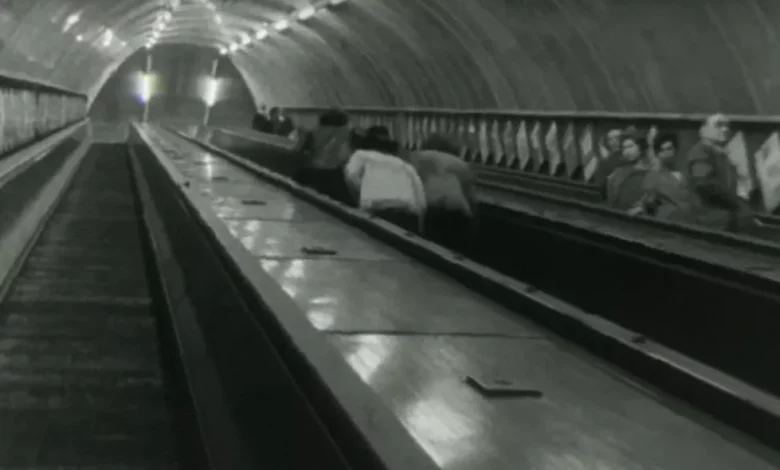
According to Transport for London (TfL) data, the most dangerous stations for reported injuries are Waterloo, with 471 incidents, King’s Cross St Pancras with 470, and London Bridge with 375. The vast majority of injuries—6,847 reports—were due to slips, trips, and falls, with escalators identified as the most hazardous areas, accounting for 4,585 injuries.
Separately, frontline staff have described a climate of violence, with one reporting “we’ve had broken bones”. Official figures for 2023/24 show approximately 10,493 reports of work-related violence and aggression towards transport workers in London, averaging 200 incidents per week. Incidents specifically against rail staff rose by 35% between 2021 and 2023.
Recent cases underscore the issue. British Transport Police are conducting a manhunt for a man in connection with an upskirting incident on the walkway towards the District and Circle lines at Victoria station on February 10, 2026. In a separate case from March 2023, a woman who assaulted a man, smashed his phone and tried to steal his wallet on a late-night Central Line train was sentenced to nine months imprisonment.
Infrastructure Upgrades and Disruption
Passengers are being warned of significant disruption to TfL rail and Tube services throughout March due to large-scale engineering works, with advice to plan ahead. This includes a five-day closure of London Liverpool Street mainline station and weekend disruptions on the Elizabeth Line and London Overground.
Major planned works include a 22-day summer closure of Charing Cross and Waterloo East stations from July 26 to August 16, 2026, for Southeastern. The project involves replacing 1,800 meters of life-expired track, with services diverted to London Victoria, Cannon Street, and Blackfriars.
Elsewhere, a £10 million upgrade of Dartford Junction—the busiest rail junction in Kent—has been completed after a nine-day closure, promising improved long-term reliability for services between Kent and London. In a boost for freight, Barking Eurohub is set for a £15m upgrade designed to unlock regular rail freight services to Europe via the Channel Tunnel, a move that could replace around 140,000 heavy-goods vehicle trips per year.
New Services and Corporate Moves
From March 8, 2026, travellers to Stansted Airport will finally be able to use contactless payments on the Stansted Express from London Liverpool Street, after a long-delayed rollout hindered by software issues. The extension covers 19 other stations in Hertfordshire and Essex, though Oyster cards will not be valid.
The connectivity of the Elizabeth Line continues to shape London’s commercial landscape. US tech giant Microsoft is eyeing Paddington and Canary Wharf as potential locations for a new London headquarters, with the line’s links a key factor in its search for 200,000 to 250,000 square feet of office space. Rents near Elizabeth Line stations have increased by 28% since its completion in May 2022.
On the national rail front, Chancellor Rachel Reeves has stated “we will get HS2 trains running” but could not confirm a date. The ongoing debate about the line’s future continues, with commentators arguing that completing Euston station is key to making the project worthwhile.
Despite a 24-hour strike by maintenance workers on the Windrush line in a dispute over pay and conditions, Transport for London has stated a “normal timetable” is set to run.
In lighter news, a beloved metro cat that was reportedly snatched by a woman at a train station has been found safe.