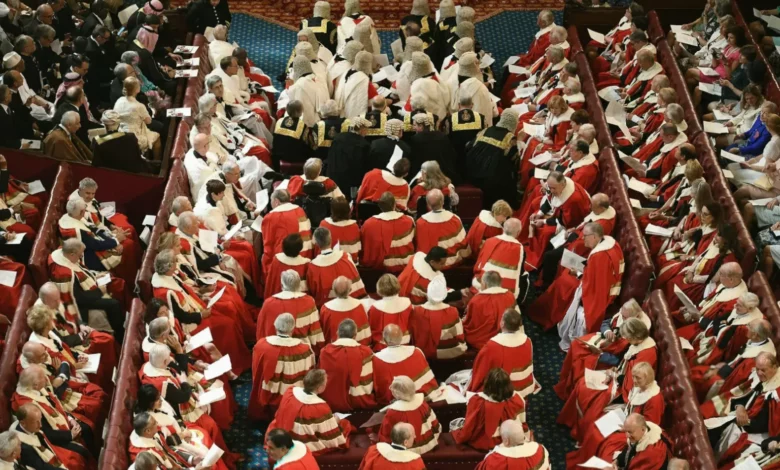
In one of the most significant constitutional changes in a generation, the centuries-old link between inherited titles and a seat in Britain’s legislature is to be formally severed. Hereditary peers will be removed from the House of Lords before the next King’s Speech, bringing to an end an arrangement that has persisted as a political anomaly for over 25 years.
The final step was taken on Tuesday when the Lords accepted the last draft of the House of Lords (Hereditary Peers) Bill, marking the end of its parliamentary passage and clearing the way for it to become law. The change will take effect at the close of the current parliamentary session, expected later this spring.
The End of a 25-Year Interim
This legislation draws a line under the unfinished business of the House of Lords Act 1999. That earlier reform, a flagship pledge of the then Labour government, removed the automatic right of most hereditary peers to sit and vote. As a political compromise, 92 “excepted” hereditary peers were allowed to remain as an interim measure until a more comprehensive settlement could be reached—a settlement that never materialised.
Since then, this rump of 92 peers, replenished through internal by-elections, has continued to sit on the red benches. The new Bill reduces that quota to zero, finally fulfilling what the Government describes as a key manifesto pledge. As of now, 84 hereditary peers are active in the chamber; 42 take the Conservative whip, 31 are independent crossbenchers, and the rest are from other parties.
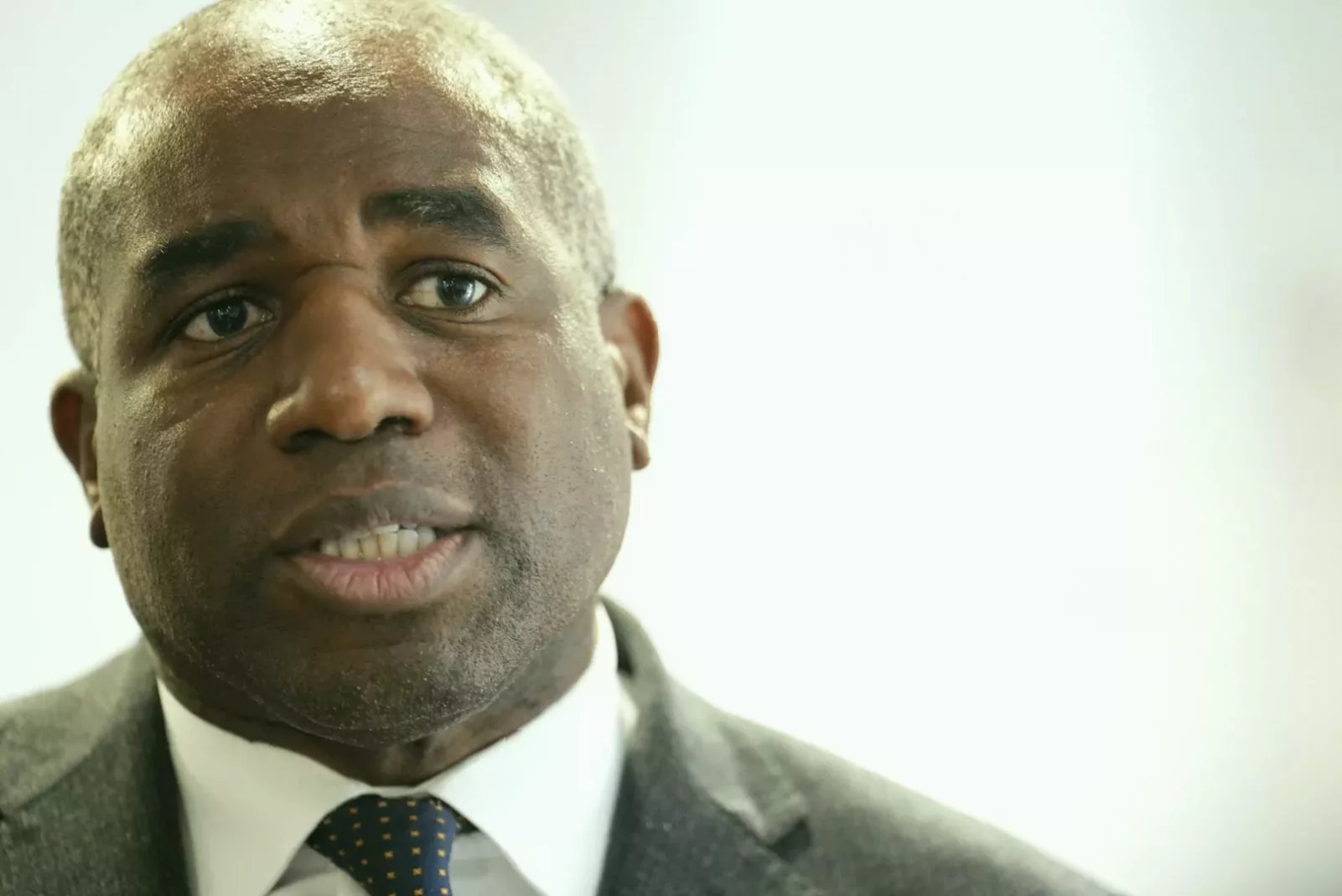
Baroness Smith of Basildon, the Lords Leader, stated the Government’s case plainly: “This has never been about the contribution of individuals but the underlying principle that was agreed by Parliament over 25 years ago that no one should sit in our Parliament by way of an inherited title.” She described the measure as a “major first step towards reform of the Lords.”
A Deal Struck and a “Bitter Pill”
The passage of the Bill was smoothed by a behind-the-scenes political agreement. Baroness Smith revealed that Government teams had “had constructive conversations” with the Conservatives, acknowledging that the opposition relied “significantly on the experience of hereditary peers, particularly on the front bench.” A deal was struck to allocate the party “a number” of life peerages, leading the Conservatives to withdraw their opposition.
This compromise did little to sweeten what Lord True, the Conservatives’ shadow Lords leader, called a “bitter pill” for his colleagues. “For dozens of our fellows on this side and on the crossbenches, April will be a cruel month of cold going but that is how it will be,” he told a sombre chamber. He paid a lengthy tribute to over seven centuries of service by hereditary peers, referencing figures from Pitt the Elder to the Duke of Wellington and the abolition of the slave trade.
Lord Forsyth of Drumlean, the Lord Speaker, also offered thanks, stating it was “sad to say goodbye to friends, who in many cases have contributed significantly to debate and scrutiny and to our institutional memory.”

Historical Threads and Modern Critiques
The emotional valedictions highlighted the deep historical roots being cut. Hereditary peers have been part of Parliament since the medieval period, forming the majority of the chamber for centuries. Their removal reduces the total membership of the nearly 800-strong Lords by almost 10%.
Not all reactions were wistful. Liberal Democrat peer Lord Newby said his “principle emotion is one of relief,” calling the move “long overdue.” Cabinet Office Minister Nick Thomas-Symonds had previously framed the change as a matter of modernity, labelling hereditary peerages an “archaic and undemocratic principle” and asserting that Parliament should be a place where “talents are recognised and merit counts.”
Some criticism came from an unexpected angle. The Earl of Devon, a crossbench hereditary peer, suggested the country would “miss” the departing members “as an essential ancient thread in the complex and fragile constitutional fabric.” Conservative former minister Lord Hamilton of Epsom offered a more cynical forecast: “When they have gone, we’ll be left with nothing other than political chancers like me and donors and members of the blob of one sort or another.”

A Step, Not the Final Destination
The Government presents this as a decisive step, but it leaves broader reform questions unanswered. Some critics argue it is a “missed opportunity” to address the Prime Minister’s power of appointment or the chamber’s overall size—the latter being a subject of strong public opinion favouring a Lords no larger than the Commons.
Baroness Smith indicated that further changes are planned, including reforms on members’ retirement and participation requirements. The Bill also abolishes the jurisdiction of the House of Lords in relation to claims to hereditary peerages itself, a technical but symbolic shift. Two specific hereditary roles—the Earl Marshal and the Lord Great Chamberlain—will continue, though their holders will no longer have an automatic right to a seat unless made life peers.
The final act will play out before the next King’s Speech, scheduled for 17 July 2024, which marks the formal start of a new parliamentary session. After that point, the right to shape the laws of the land will, for the first time in British history, no longer be a birthright passed down through generations.