
Personal Independence Payment (PIP) claims now cost the taxpayer £26 billion a year, with projections showing the bill could soar to £41 billion by the end of the decade, as the number of people claiming the benefit has nearly doubled in just seven years.
A record 3.9 million people in England and Wales are currently receiving PIP, up from 2.05 million in January 2019, according to official figures. The sharp rise — and the government’s plans to overhaul the assessment system — have drawn fierce criticism from former Sun editor Kelvin MacKenzie, who questioned the “sustainability” of the welfare budget under Sir Keir Starmer.
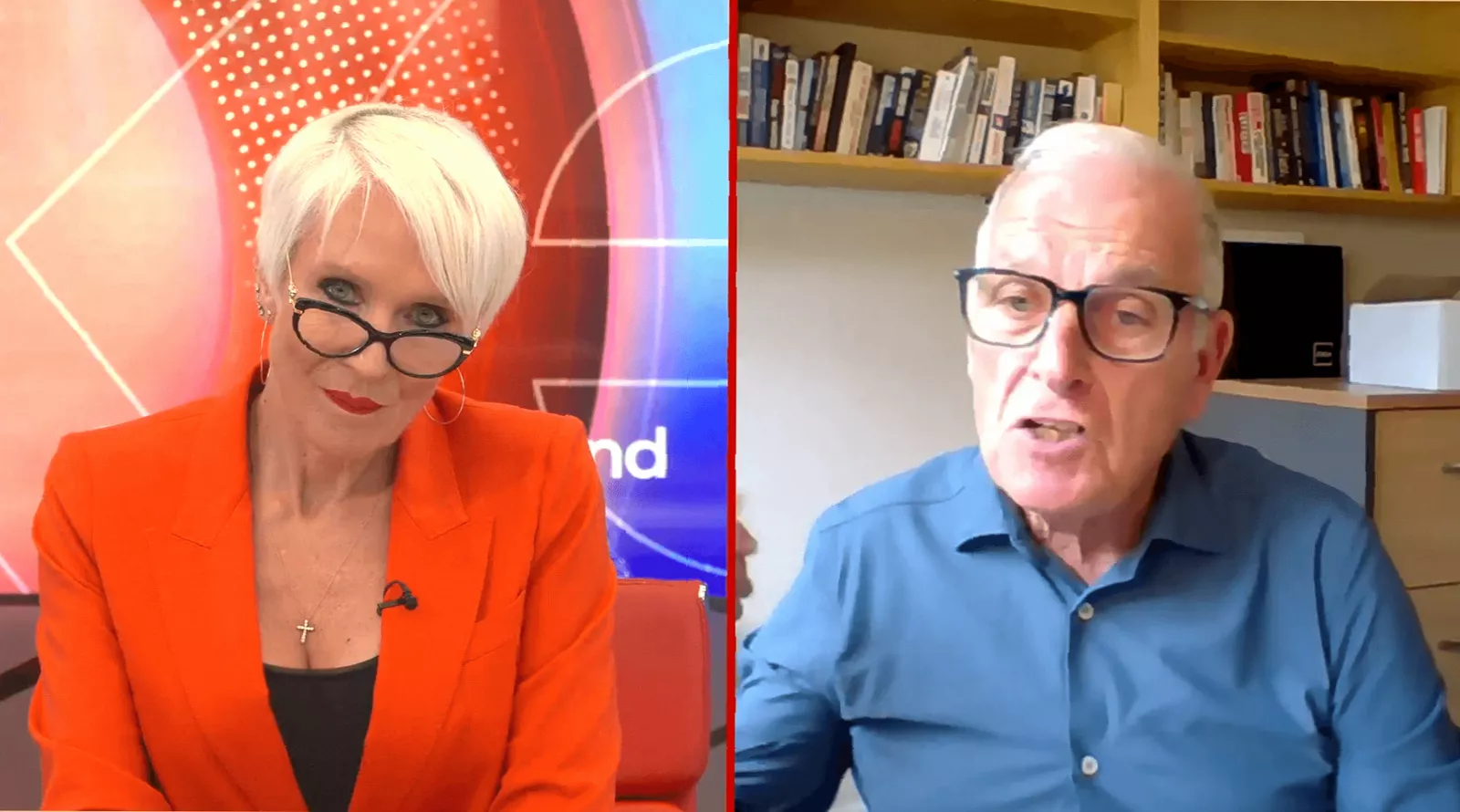
Speaking to GB News, MacKenzie argued that the absence of face-to-face appointments was allowing “non-genuine” applications to succeed. “When you fill in that form, you don’t see anybody face-to-face,” he said. “Nobody’s looking at you thinking, ‘I tell you what, you’re lying your head off there’.” He warned that the system created a clear financial incentive to exaggerate or fabricate conditions, because PIP payments can be worth £80 a week — £4,000 a year tax-free — and once awarded, “that’s it”.
“Our minimum weekly payments, monthly payments and welfare is running side by side,” MacKenzie said. “If you had to work 40 hours a week and it took you an hour each way to travel, plus the cost of your train fare or your bus fare, why on earth would you want to go to work? … So there is a challenge within people for the first time in my life where actually welfare seems to pay better than work pay. So it is very much in everybody’s interest to either exaggerate or make up something to get benefits.”
The structure of the current system, critics say, actively discourages claimants from reporting improvements. Under new rules for those aged 25 and over, a single initial assessment can lead to a PIP award lasting four years, followed by a further six-year period before another review. That means some claimants could receive benefits for up to a decade without a face-to-face interview. GB News host Dawn Neesom highlighted that scenario, to which MacKenzie replied: “Correct, and I’ll be honest with you, you would be mad if you suddenly turned around and said, ‘I tell you what, I’m going to contact the Department of Work and Pensions and I’m going to tell them that actually, I’m feeling perfectly all right now’. Nobody is going to call them up and tell them, ‘please take away that £4,000 tax free every year for the next 10 years’. Nobody, nobody is going to do that.”
The financial stakes are substantial. Depending on the combination of daily living and mobility components awarded, a successful PIP claim can be worth between £121.20 and £778.40 every four weeks. The standard daily living rate is £73.90 per week; the enhanced rate £110.40. For mobility, the standard is £29.20 per week and the enhanced £77.05. With nearly two in five recipients (39%) having been granted awards of five years or more, the long-term cost commitments are mounting.
At the same time, the assessment system itself is under severe pressure. Officials have warned it is at risk of “complete collapse” amid a surge in new PIP claims that is contributing to mounting delays. Just 6% of PIP assessments were conducted face-to-face in 2024, and success rates differ markedly by method: 44% of face-to-face assessments resulted in an award, compared with 57% for telephone assessments. The overall grant rate for new PIP claims has fallen sharply, from 46.7% in January 2024 to 36.6% in January 2026, when 60.8% of claims were disallowed.
The government has faced rebellion from its own benches over its welfare reform agenda. More than 120 Labour MPs threatened to vote against the Universal Credit and Personal Independence Payment Bill, forcing last-minute concessions. Among the most contentious proposals are plans to tighten PIP eligibility by requiring claimants to score a minimum of four points in at least one activity for the daily living element — a change intended to restrict the benefit to the most severely disabled. Under a compromise, the new rules will initially apply only to new claimants, with the criteria system to be reviewed in conjunction with disabled people. Charities warn that the changes could make ill and disabled people “invisible” and cut them adrift from support services. Policy in Practice estimates that more than 230,000 disabled people could lose access to PIP and the incapacity element of Universal Credit, representing an annual loss of at least £8,100 each.
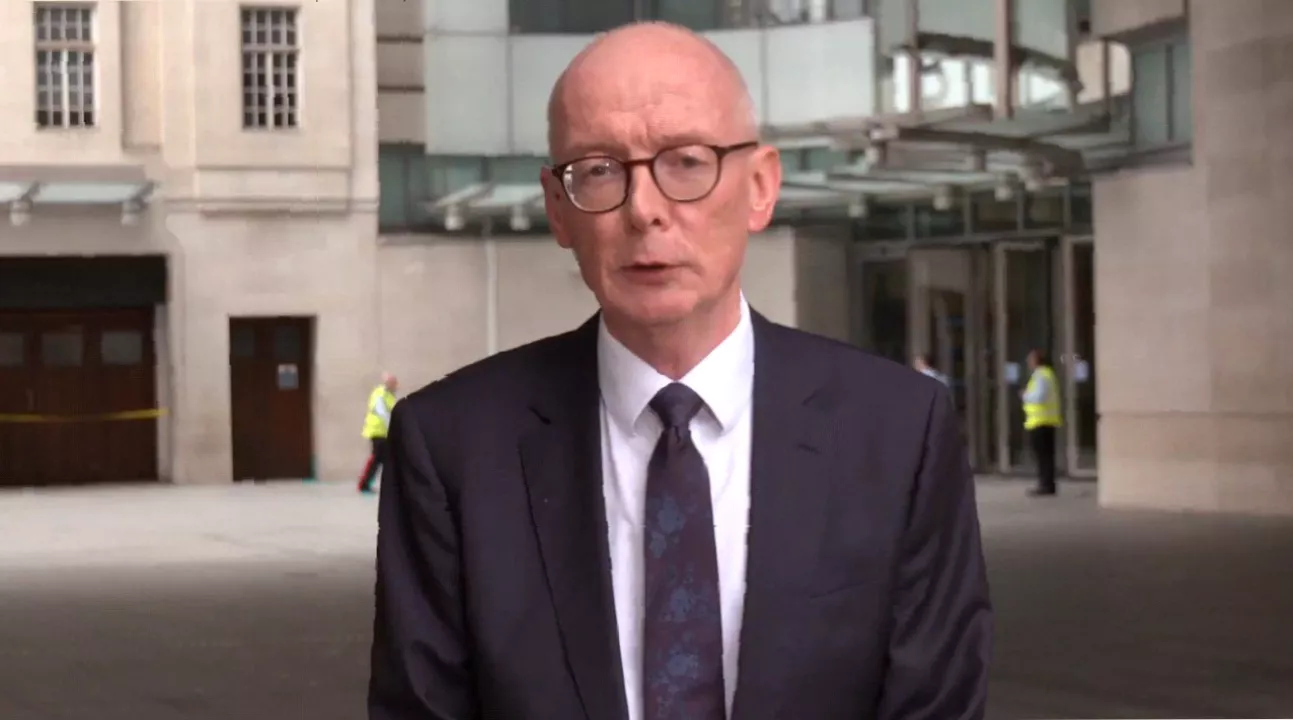
Work and Pensions Secretary Pat McFadden defended the government’s handling of the system, telling GB News that “a lot of change” was underway to make it more sustainable. He pointed to the rising numbers of long-term sickness and disability claims, warning that claimant numbers could exceed four million by the end of the decade. “There’s a lot of change going on in the system to try to get these numbers back up after what I inherited from the Conservative Party,” he said. “I’m having to do it against a backdrop of inheriting a lot of contracts from the previous Government which allow health assessors to work from home.”
The government’s broader ambition, as set out by Sir Keir Starmer, is to shift from a “welfare state to a working state”. It plans to increase the proportion of face-to-face PIP assessments from 6% to 30% and to scrap the Work Capability Assessment from 2028, with the health element of Universal Credit then assessed via the PIP process. Projected savings from welfare reforms stand at £1.9 billion by the end of 2030/31, and the government is investing £1 billion in youth employment schemes alongside incentives for companies to hire young people. Total welfare spending is forecast to reach almost £378 billion by the end of the decade, with spending on health and disability benefits alone projected to hit £100 billion by 2030.