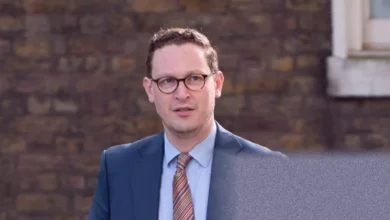
Robert Jenrick reveals Reform’s backing for bill stripping Andrew of royal succession rights

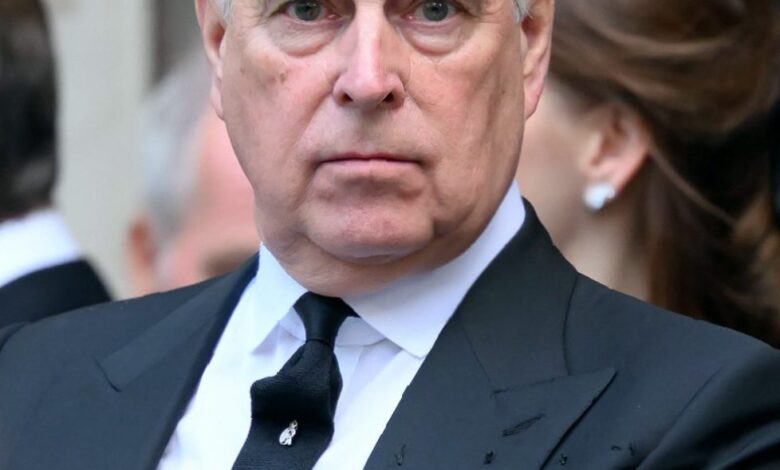
The political momentum to remove the Duke of York from the line of succession has gained a significant new backer, with Reform UK’s prospective chancellor confirming his party would support the move. Robert Jenrick, the former Conservative housing secretary now named as Reform’s choice for Chancellor of the Exchequer, stated his party would back legislation to remove Andrew Mountbatten-Windsor, but only if it was brought forward by the government with the King’s support.
Speaking to Sky News, Mr Jenrick said Parliament should be focused on issues like the economy and the health service, but added: “If the Government brings forward this Bill with the support of the King, then we will back it.” He expressed sadness for the King and the royal family, stating: “Andrew has disgraced the royal family, and he’s disgraced our country in the process.”
Constitutional Hurdles and Political Support
The government, having started to draw up plans after the Duke’s arrest, faces a formidable constitutional barrier. Sir Michael Ellis, a former Attorney General, identified the primary obstacle, telling GB News that legislation would need to be passed not just by the UK Parliament but by all 15 Commonwealth realms where the King is head of state. He argued the move was “morally wrong” and “constitutionally wrong,” suggesting it would require the assent of all seven Australian states and the 10 provinces of Canada.
Despite this, there is cross-party political will for change. Defence minister Luke Pollard was the first senior Labour MP to speak out, saying preventing Andrew from being “only a heartbeat away” from the throne was “the right thing to do.” The government is understood to be working with Buckingham Palace on the issue, with any legislation likely to wait until the police investigation concludes.
Arrest and Allegations
The push follows the extraordinary arrest of the former prince, the first senior royal in modern history to be detained. He was taken into custody on his 66th birthday, February 19, 2026, on suspicion of misconduct in public office, an offence that carries a maximum sentence of life imprisonment. The allegations centre on claims he shared confidential government information with the convicted sex offender Jeffrey Epstein during his tenure as the UK’s trade envoy.
Emails released as part of the Epstein files appear to show Andrew forwarding official reports from his trade visits to Epstein, sometimes within minutes of receiving them. He was held for nearly 11 hours before being released under investigation. Police searches have been conducted at his current residence, Wood Farm on the Sandringham Estate, and are ongoing at his former home, Royal Lodge in Windsor.
Andrew has consistently denied any wrongdoing in relation to Epstein and has not directly responded to the latest allegations. One of his most prominent accusers, Virginia Giuffre, died by suicide in April 2025.
Public Sentiment and Royal Position
Public opinion has hardened significantly against the Duke. A YouGov survey revealed that 82% of Britons believe he is no longer suitable to be in line to the throne and should be removed. Furthermore, 90% of the public now hold an unfavourable view of him, and most (58%) believe the royal family reacted too slowly to the revelations about his relationship with Epstein.
King Charles III has stripped Andrew of his military affiliations and royal patronages, and the Duke no longer uses the style “His Royal Highness” or the title Duke of York. However, his position as eighth in line to the throne—behind the Prince of Wales and his children, and the Duke of Sussex and his children—remains legally intact, as its alteration requires a formal Act of Parliament.
The King has stated that “the law must take its course” and has pledged the royal family’s full cooperation with the investigation. The police investigation continues, with any potential charging decisions expected to take months.