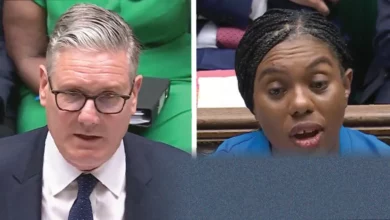
The First Minister has accused Scottish Labour leader Anas Sarwar of using the “language of a desperate man” and undermining respectful debate, following a furious clash in Holyrood over a series of crisis-hit hospitals.
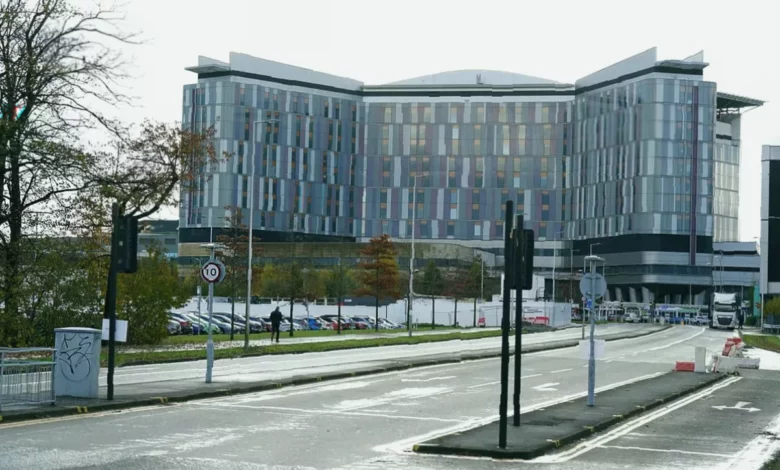
The heated exchange came as Mr Sarwar renewed allegations of a “lie and cover-up” surrounding the troubled Queen Elizabeth University Hospital (QEUH) in Glasgow, claiming political pressure to open it prematurely had set a dangerous precedent now being repeated elsewhere.
A Pattern of Problems
Mr Sarwar’s central charge is that critical failures first identified at the QEUH, particularly concerning ventilation and water safety, have been repeated in delayed hospital projects in Edinburgh and Aberdeen. He contends that had problems at the Glasgow site been confronted honestly, subsequent mistakes could have been avoided.
The QEUH, which opened in 2015 at a cost of £842 million, is the subject of a national public inquiry ordered in 2020. The inquiry is investigating deaths and infections linked to its water and ventilation systems. Just last week, Health Secretary Neil Gray confirmed mould growth had been found in a room on the hospital’s bone marrow transplant ward. NHS Greater Glasgow and Clyde (NHSGGC) is now seeking major investment to rebuild the cancer ward due to “infrastructure defects,” mould fears, and water ingress, with a fifth of the unit’s rooms closed in the last six months.
The hospital’s troubles were highlighted tragically by the death of 10-year-old Milly Main in 2017 from a water infection while she was recovering from leukaemia treatment. In a significant admission in January 2026, NHSGGC stated that “on the balance of probabilities” there was a “causal connection” between certain infections and the hospital environment, particularly its water system.
Evidence of “Political Pressure”
Mr Sarwar presented what he called evidence of “political pressure” to open the QEUH before it was safe. He cited Scottish Government meeting notes from late 2019 and early 2020 which suggested “political pressure was also being felt and no consideration was given to delaying the opening”.
This claim finds some corroboration in a written statement from NHSGGC to the public inquiry, in which the board admitted “pressure was applied to open the hospital on time and on budget” and that, in hindsight, it “opened too early” and “was not ready”. The board later clarified this pressure was applied in “general terms” and came from “within NHSGGC”.
First Minister John Swinney has repeatedly denied the SNP government leaned on the health board to open the hospital, potentially before the 2015 general election. He has stated the government was unaware of water contamination issues until 2018. The counsel to the inquiry has also stated there was “no evidence of external pressure” on NHSGGC.
However, Mr Sarwar claims internal reports warned of high infection risks prior to opening. A leaked 2015 report he accessed in 2019 considered infection controls at the QEUH to be at “high risk”, and an independent pre-opening inspection had flagged serious risks with the water system. The health board has acknowledged the building received was “not what we paid for”.
Delays Echo in Edinburgh and Aberdeen
The fallout from Glasgow, Mr Sarwar argues, is a pattern of delay and defect in new hospitals. The opening of the Royal Hospital for Children and Young People in Edinburgh was delayed by almost two years, at an additional cost of £17 million, after ventilation and water issues were discovered. The Scottish Hospitals Inquiry found NHS Lothian failed to provide clear ventilation requirements, and a human error in a spreadsheet meant air changes in critical care wards were designed at half recommended safety standards. Mr Gray confirmed the interim inquiry findings validated the decision to delay.
Similarly, the Baird Family Hospital and Anchor Centre in Aberdeen are delayed until early 2027 due to ventilation and water system issues, with the cautionary approach learned from Edinburgh and Glasgow being applied.
In response to the allegations, Mr Swinney stated there was “no cover-up” and emphasised that the government had commissioned the public inquiry. He said lessons from the QEUH had led to a more cautious approach with other hospitals.
Calls for Transparency and Ongoing Risks
Amid the political row, patient safety concerns persist. Mr Sarwar has called for “full transparency”, demanding up-to-date patient safety reviews for every QEUH ward be made public. The hospital’s infrastructure continues to present challenges, with operating theatres temporarily suspended in January 2026 due to a burst pipe affecting the power supply.
As the public inquiry continues its work, the debate in Holyrood remains fiercely contested, centred on allegations of past failures and their human and financial cost—estimated by Mr Sarwar to be millions of pounds and, tragically, lives.