Sir Keir Starmer’s government is facing mounting pressure to scrap a planned increase in fuel duty this autumn, as escalating conflict in the Middle East sends global oil prices soaring and threatens to reignite a cost of living crisis in the UK.
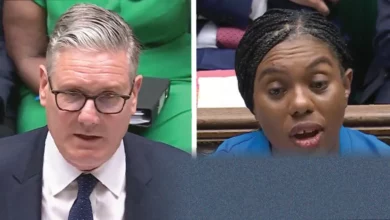
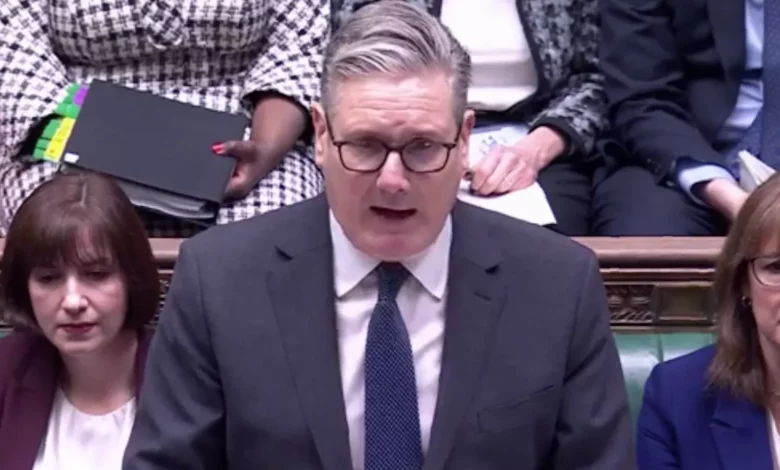
During a heated Prime Minister’s Questions, the Prime Minister signalled a potential shift in policy, stating the planned 5p per litre hike due in September would be “kept under review”. This marked a distinct softening of the position held by Chancellor Rachel Reeves, who earlier in the week had insisted the rise would go ahead.
“Fuel duty is frozen. It is going to remain frozen until September. And we will keep the situation under review in light of what is happening in Iran,” Sir Keir told MPs, later adding the government would “look carefully at the situation.”
The Geopolitical Spark to a Domestic Problem
The immediate catalyst is the crisis in the Middle East. US and Israeli actions against Iran have triggered fears over the security of oil supplies, particularly through the critical Strait of Hormuz. This has pushed the price of Brent crude oil above $100 a barrel, a more than 20% increase, with wholesale gas prices also surging by over 50%.
The ripple effect is already being felt on UK forecourts. According to RAC Fuel Watch, diesel prices have jumped by nearly 9% since late February, with petrol up by around 6% on average. The motoring organisation has warned that if oil prices remain at current levels, petrol could reach 150p per litre.
This threatens to reverse recent progress on inflation. The Office for Budget Responsibility (OBR) estimates the energy price shock could increase inflation by up to 1% by year’s end, potentially forcing the Bank of England to keep interest rates higher for longer and dampening economic growth.
A Policy Long in the Making
The current fuel duty rate stands at 52.95 pence per litre, a level effectively frozen since 2011 as successive governments cancelled planned increases. In March 2022, following Russia’s invasion of Ukraine, a temporary 5p per litre cut was introduced and has been extended several times.
The government’s stated policy, however, has been to end this temporary relief. The cut was scheduled to be phased out between September 2026 and March 2027, returning to pre-2022 levels. The hike now under review represents the first step in that process, effectively ending a 15-year freeze and adding hundreds of millions in taxes to logistics businesses, costs likely to be passed on to consumers.
Chancellor Rachel Reeves had previously defended the planned increase, arguing fuel duty was already 11p a litre lower than it would have been under previous Tory plans and stating the 5p cut was always intended to be temporary. However, she has since acknowledged the volatility, stating “nothing is off the table” regarding consumer support and that it is “too early” to judge the impact on September’s prices.
Political Crossfire and Economic Warnings
The opposition has seized on the issue. Conservative leader Kemi Badenoch repeatedly pressed the Prime Minister on the hike at PMQs, arguing it would worsen the cost of living, particularly for rural communities. The Tory party accused Labour of treating drivers as a “cash cow” and predicting a “humiliating U-turn”.
Reform UK leaders Nigel Farage and Robert Jenrick have also called for the rise to be scrapped, proposing instead to cut duty by 5p and fund it by axing “net zero policies”.
Their concerns are echoed by campaign groups. John O’Connell, chief executive of the TaxPayers’ Alliance, said: “Motorists will be desperately hoping that the prime minister is getting ready to slam the brakes on the planned fuel duty hike. Prices at the pump are set to surge over the coming weeks, and yet the government is currently planning to pour petrol on the flames by driving up prices even further.”
Industry body Logistics UK warned an increase would fuel inflation, while campaign group FairFuelUK continues to call for a duty cut, or at least a freeze for the lifetime of the parliament.
Government Measures and a Balancing Act
In response to the crisis, the government is activating several measures. The UK is participating in the International Energy Agency’s plan to release emergency oil stocks, pledging 13.5 million barrels to stabilise markets. Domestically, a “cheaper Fuel Finder Scheme” has been launched to help drivers compare petrol prices, and the Chancellor has warned retailers against “price gouging”, planning meetings with them and the Competition and Markets Authority.
Downing Street moved to downplay any rift between the Prime Minister and Chancellor, noting Ms Reeves had said “things are moving on a daily basis” and reiterating that “decisions around taxes are set at Budgets.”
The government’s dilemma is acute: uphold a long-term fiscal policy to restore duty levels, or intervene to shield households and businesses from a geopolitical shock that is pushing up prices. With the Chancellor examining “targeted support as well as broader measures”, and the Prime Minister now openly reviewing the autumn hike, another chapter in the UK’s long history of fuel duty U-turns appears to be in the making.