Starmer confronts Badenoch and Farage on Iran stance reversal during heated Commons clash

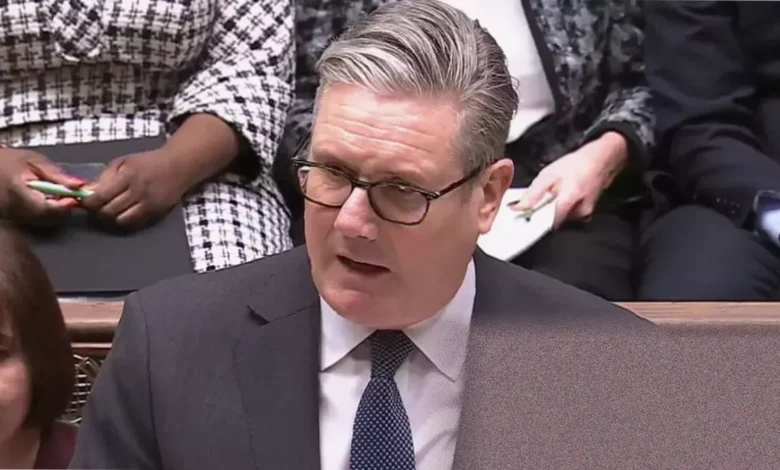
The prime minister has launched a fierce attack on his political opponents over their changing positions on the war in Iran, branding their shifts as opportunistic “U-turns” driven by economic reality rather than principle.
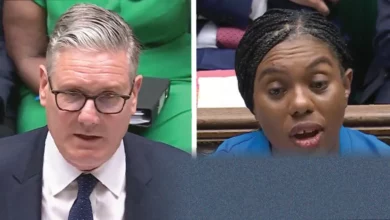
In a heated session of Prime Minister’s Questions, Sir Keir Starmer accused the Conservative leader, Kemi Badenoch, and the Reform UK leader, Nigel Farage, of performing a dramatic reversal after initially urging stronger British military involvement. “Last week, they were urging us to join. If they had been leading the country, we’d be at war,” Starmer told MPs.
The Accusation: From Cheerleaders to Backpedalling
Sir Keir’s central charge is that both Ms Badenoch and Mr Farage have been “spooked” by the domestic consequences of the conflict and are now furiously backpedalling. He singled out the Conservative leader for what he called “the mother of all U-turns on the single most important decision a prime minister ever has to take”.
The prime minister’s accusation stems from comments made last week. Ms Badenoch had repeatedly pressed him in the Commons on why he would not launch offensive strikes, asking, “Why is he asking our allies to do what we should be doing ourselves?” In media interviews, she stated the US-Israeli attacks were “absolutely right” and that the UK should “do more than catch the arrows” and “take out” missile launchers.
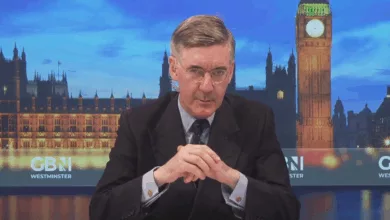
Similarly, Mr Farage initially declared the “gloves need to come off” and that Britain “should do all we can to support the operation,” expressing support for “regime change” in Iran. This week, however, he stated Britain should “not get ourselves involved in another foreign war,” citing an inability to defend its own bases.
A spokesperson for Ms Badenoch later sought to clarify, arguing she had never advocated for the UK to join the war offensively. The spokesperson said she had called for allowing the US to use British bases for initial attacks and now supported UK action solely in response to attacks on British assets, such as bases in Cyprus. “We are at war. The difference is, we’re not joining the war. We’re in the war,” the spokesperson said, adding that Ms Badenoch, without access to ministerial intelligence briefings, based her support on backing Britain’s allies.
UK Forces: A Defensive Posture
Defending his own stance, Sir Keir emphasised “calm, level-headed leadership in the national interest” and a commitment to a “lawful basis” for any action, lessons he said were learned from the Iraq War. He detailed a defensive UK military role, stating the RAF had flown over 230 hours of defensive sorties across seven countries, shooting down multiple drones.
This aligns with the UK’s deployed assets, which include fighter jets, counter-drone helicopters, and the HMS Dragon destroyer in the Middle East. British forces have intercepted Iranian drones and missiles over allied nations like Qatar, Iraq, and Jordan. The government has also permitted the US to use British bases for what it terms “defensive” operations.
The prime minister angrily accused Ms Badenoch of insulting the RAF by saying they were “just hanging about,” telling the Commons the forces were “protecting the lives of others whilst risking their own.” Ms Badenoch responded that she had criticised the prime minister, not the armed forces.
War’s Economic Shock Hits Home
The political row is unfolding against a backdrop of severe economic disruption, a factor opposition parties highlighted. Liberal Democrat leader Sir Ed Davey said families were facing higher petrol prices, rising mortgage rates, and more expensive energy deals “all because of a war they did not start and do not support.”
The data underscores his point. The conflict has triggered a major spike in global energy prices, with Brent crude oil surpassing $100 a barrel and UK wholesale gas prices rising by approximately 50%. Petrol and diesel prices have hit a near 20-month high, with the RAC warning that petrol could reach 150p per litre if oil prices stay elevated.
The crisis has been exacerbated by threats to the Strait of Hormuz, a chokepoint for 20% of the world’s oil and gas, leading QatarEnergy to halt LNG production. Analysts project household energy bills could rise by up to £160 a year from this summer, and the Office for Budget Responsibility warns a sustained price spike could lift UK inflation by one percentage point by year’s end.
Sir Ed Davey called on the government to guarantee energy bills won’t rise by hundreds of pounds when the price cap is next adjusted in July. Sir Keir said the cap was in place until then and the government was “working around the clock” with allies to prevent increases, arguing de-escalation was the “most effective thing we can do.”
Political and Public Divisions
The war has exposed clear political fractures. Sir Ed Davey, whose party has called the conflict “illegal” and warned against being “dragged into another protracted Middle Eastern war,” also urged King Charles to cancel his upcoming state visit to the US in protest at President Trump’s actions.
Public opinion reflects a nation cautious of deeper involvement. Polls indicate a majority of Britons oppose the US military action, with opposition growing. The most common public view is that the UK’s role should be “purely defensive.” A majority oppose allowing the US to use RAF bases for strikes, preferring a stance focused on shooting down threats and defending facilities.
Support for the US strikes divides along party lines, with majorities of Reform UK and Conservative voters in favour, while Labour, Liberal Democrat, and Green voters are largely opposed. Overall, public opinion on Sir Keir’s handling of the crisis remains divided.
As the prime minister concluded his exchanges, he turned his criticism back to Ms Badenoch and Mr Farage, stating: “She has utterly disqualified herself from ever becoming prime minister, thankfully she never will.” The debate, charged with accusations of hypocrisy and overshadowed by the mounting economic cost, signals that the political fallout from the Iran conflict will dominate the UK agenda for the foreseeable future.