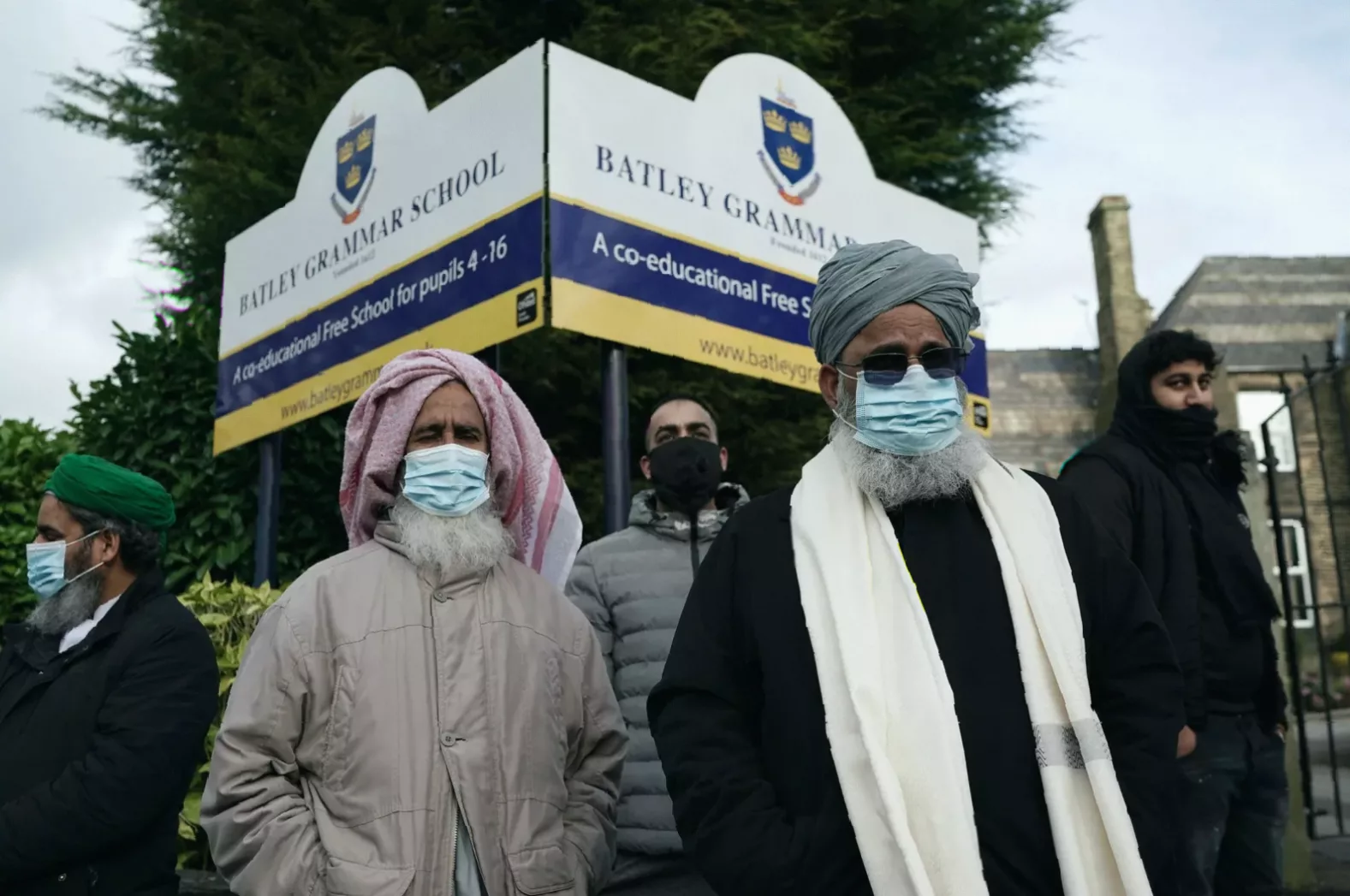
A teacher in West Yorkshire remains in hiding, three years after showing a cartoon of the Prophet Mohammed in a classroom. That single lesson at Batley Grammar School in 2021 sparked protests, a national firestorm over free speech and religious offence, and left an enduring question for educators: how should schools navigate deeply held beliefs within a diverse society?
New guidance circulating in some parts of England, designed to prevent such flashpoints, is now prompting a fresh debate. Councils have advised teachers that children’s drawings, music, and dance lessons could conflict with the religious sensitivities of some Muslim pupils and parents.
The Guidance: “Sharing the Journey”
The document, titled “Sharing the Journey,” was first produced in 2022 by several local authorities including Leeds, Calderdale, Oldham, and Wakefield. It has since been reissued and circulated by other councils, such as Kirklees—the area covering Batley Grammar School—as well as Sefton in Lancashire and Tameside in Greater Manchester.
Its stated aim is to promote understanding between communities and support social cohesion, an objective the current Labour government has made a growing priority. However, its specific recommendations have drawn scrutiny.
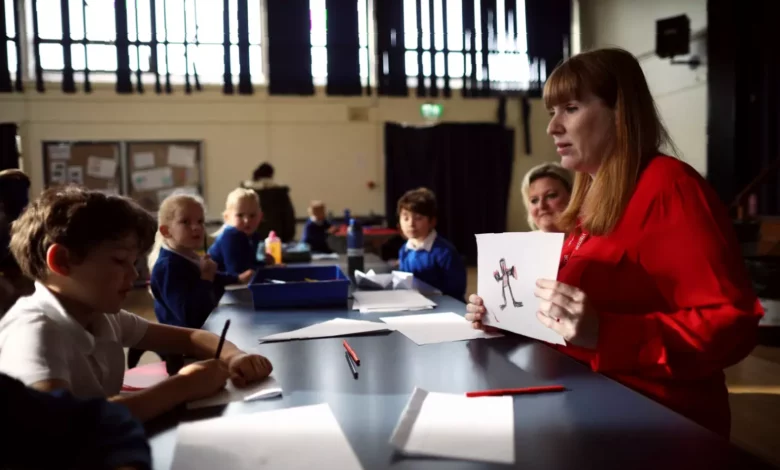
On art, the guidance acknowledges Islam’s rich heritage in geometry, calligraphy, and patterned design. But it warns that, within some interpretations, the creation of three-dimensional images of humans is considered idolatrous. It advises teachers that it is “critical” children do not produce images of Jesus, the Prophet Mohammed, or other figures considered prophets in Islam, and that some Muslim pupils may prefer not to draw the human form at all.
This caution is rooted in Islamic tradition. The restriction stems from several hadith—traditional accounts of the Prophet Mohammed that help shape Islamic law—which describe him discouraging the creation of images, particularly of living beings.
The guidance also extends to music and dance. It notes that, within some interpretations, music is traditionally limited to the human voice and non-tuneable percussion instruments, a practice believed to date back to the Prophet’s time. It states that views vary widely among Muslims, but recommends schools listen to parental concerns and avoid requiring participation in songs that conflict with beliefs, while ensuring music is not removed entirely. Dance lessons, it cautions, could raise objections from some parents due to potential physical contact between male and female pupils.
A Precedent of Caution and a Controversial Incident
Such advice is not entirely new. Similar guidance has existed for years from other councils. Essex County Council’s advice, for instance, notes that some Muslims view representational art as blasphemous because it attempts to imitate God’s creation, and suggests exploring Islamic decorative styles as an alternative.
But the intense focus on this issue is inextricably linked to Batley Grammar. In March 2021, a teacher’s use of a caricature of the Prophet Mohammed in a religious studies lesson led to protests outside the school gates. The school issued an “unequivocal apology,” suspended the teacher, and pledged never to use such images again.
An independent investigation later cleared the teacher of causing deliberate offence, finding he believed the image had an educational purpose. Despite this, he received death threats, was forced to move house, and remains in hiding. Dame Sara Khan, the government’s independent social cohesion adviser who reviewed the incident, later stated the teacher was “let down” by the school, council, and police.
Government Plans and Criticism
The government’s broader strategy on community cohesion was outlined recently by Communities Secretary Steve Reed. The action plan, “Protecting What Matters,” includes a new official definition of anti-Muslim hatred to help tackle hate crime, and directs up to £5 billion in funding over a decade to over 200 communities.
It also establishes a new official to oversee the implementation of this definition and advise public services, and allocates an additional £5 million to a fund for interfaith programmes. The plan emphasises speaking English for integration and grants expanded powers to the Charity Commission to investigate organisations alleged to promote radicalisation.
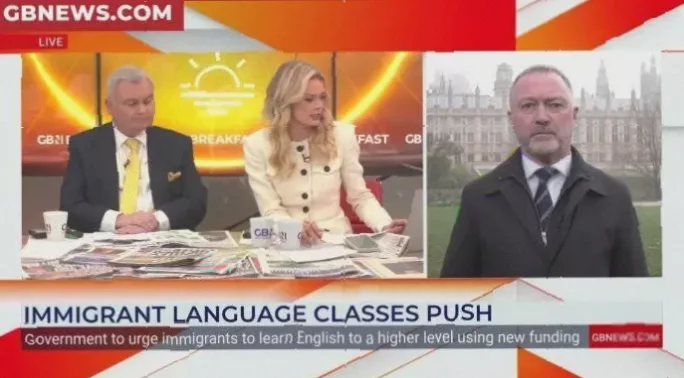
These initiatives have alarmed some free-speech campaigners. Lord Toby Young, founder of the Free Speech Union, told GB News: “So much for the Government’s social cohesion action plan.” He argued that Labour’s approach meant “the indigenous population of Britain has to change its behaviour to fit in,” warning the plans could discourage open discussion and create a “two-tier” system.
He and others have expressed concern that accommodating sensitivities in the manner of the “Sharing the Journey” guidance could effectively reintroduce blasphemy laws by the back door.
Diverse Interpretations and an Enduring Tension
The guidance itself acknowledges the diversity of Muslim opinion. It notes prohibitions on music have been promoted in certain conservative movements, such as the Deobandi tradition—a Sunni Islamic revivalist movement known for its orthodox approach. However, many other traditions, including Sufism, have a more permissive view.
Ultimately, the document, and the reaction to it, highlights a persistent tension in modern, multi-faith Britain. It pits the imperative to foster an inclusive environment where all faiths feel respected against the principle of a secular education system and the right to free expression. For teachers on the front line, the challenge is to navigate this complex terrain, mindful of a past where a single image forced a colleague into hiding, and of a future where community harmony is a stated, yet contested, national priority.