Starmer imposes provisional prohibition on cryptocurrency donations, dealing setback to Reform


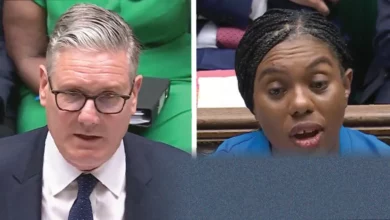
The UK government is to impose a temporary ban on political donations made in cryptocurrency, Prime Minister Sir Keir Starmer has announced, in a major move to shore up Britain’s democratic defences against foreign interference.
Sir Keir told the House of Commons that the government would act on the findings of an independent review, introducing a moratorium on all crypto donations to parties. The decision follows warnings from a cross-party parliamentary committee that such donations present an “unnecessary and unacceptably high risk” to political financing.
The report’s stark warning on foreign interference
The review, led by former top civil servant Philip Rycroft, was ordered in the wake of cases like that of Nathan Gill, the former Reform UK leader in Wales who was jailed for 10.5 years for taking bribes to make pro-Russian statements as an MEP. It concludes that foreign interference in the UK is “real and persistent,” identifying Iran, Russia, and China as states actively trying to “cause harm” to the UK’s democracy.
Mr Rycroft said he was “ringing the alarm bell,” urging the government to make countering this threat a “far higher” priority and to act swiftly on his recommendations. The report’s warnings align with intelligence assessments; MI5 has warned that spies from these nations are targeting UK politicians to influence policy and undermine democracy, with Russia seen as an “immediate and pressing threat” and China as a “sophisticated and persistent challenge.”
The review calls for a ban on foreign-funded online political ads, citing evidence of coordinated influence campaigns. It highlighted the scale of the problem by noting that social media posts on Scottish independence fell dramatically when Iranian authorities cut internet service inside Iran.
To address the financial channels of interference, the report urges ministers to legislate for a moratorium on crypto donations via the Representation of the People Bill, an idea endorsed by the Joint Committee on the National Security Strategy. Mr Rycroft stressed this should be seen as an interlude for regulation to catch up with reality, not necessarily a prelude to a permanent ban.
Why cryptocurrency poses a unique risk
The proposed crackdown targets the specific vulnerabilities of cryptocurrency. The independent review and parliamentary committees have highlighted concerns over the anonymity and cross-border ease of crypto transactions, which can obscure a donor’s true identity and facilitate foreign funding undetected.
Specific risks include the use of digital “mixers” or “tumblers” to launder transaction histories, and the potential for AI tools to fragment large sums into multiple micro-donations below the £500 disclosure threshold. The Electoral Commission has acknowledged “particular challenges” in verifying crypto donors and stated that, to date, no crypto asset donations have been formally reported to it.
The review recommends that any future regulated crypto donations must use Financial Conduct Authority-registered payment processors, ban anonymising tools, and be converted to sterling within 48 hours. There have also been calls for a dedicated police unit within the National Crime Agency to oversee political finance.
The Reform UK context
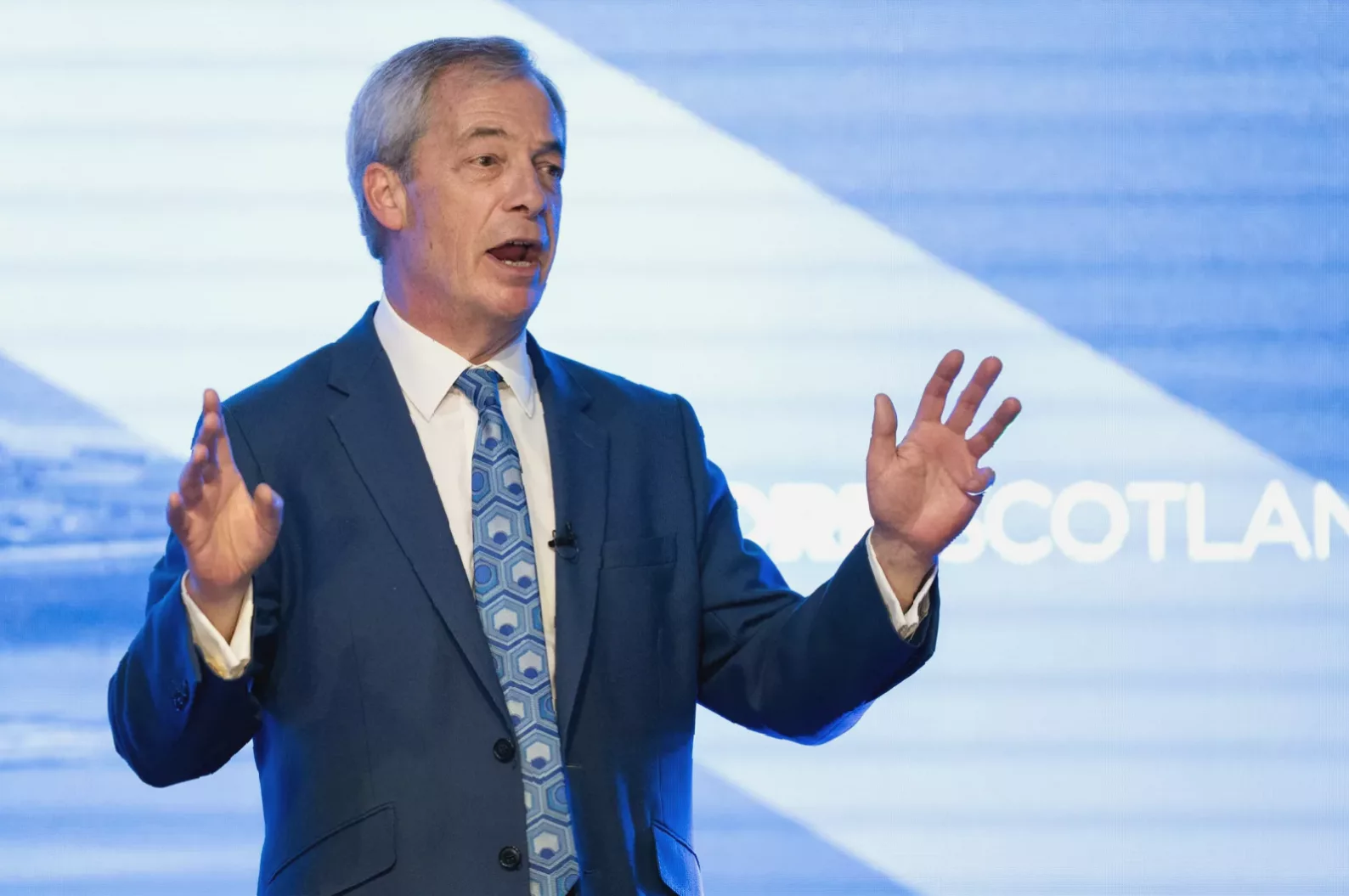
The moratorium directly impacts Nigel Farage’s Reform UK, the most prominent party to accept cryptocurrency donations. The party began accepting crypto in May 2025 and has since received two multimillion-pound donations from Christopher Harborne, a Thailand-based cryptocurrency billionaire.
Mr Harborne, also known as Chakrit Sakunkrit, gave Reform UK a record £9 million in August 2025 – the largest single donation from a living person in UK political history – followed by a further £3 million in November. A dual British-Thai citizen, he is a significant shareholder (approximately 12-13%) in Tether, the world’s largest stablecoin issuer, and in the Bitfinex exchange.
Mr Farage has previously defended the donations, insisting Mr Harborne “wants nothing from me,” but concerns were raised after Mr Farage publicly promoted Tether following the first donation. Transparency campaigners have questioned the arrangement, noting Reform UK’s payment processor, Radom, is based in Poland and is not FCA-regulated. Reports suggest the party may be converting crypto to cash before it reaches its coffers, a process that could obscure the original source.
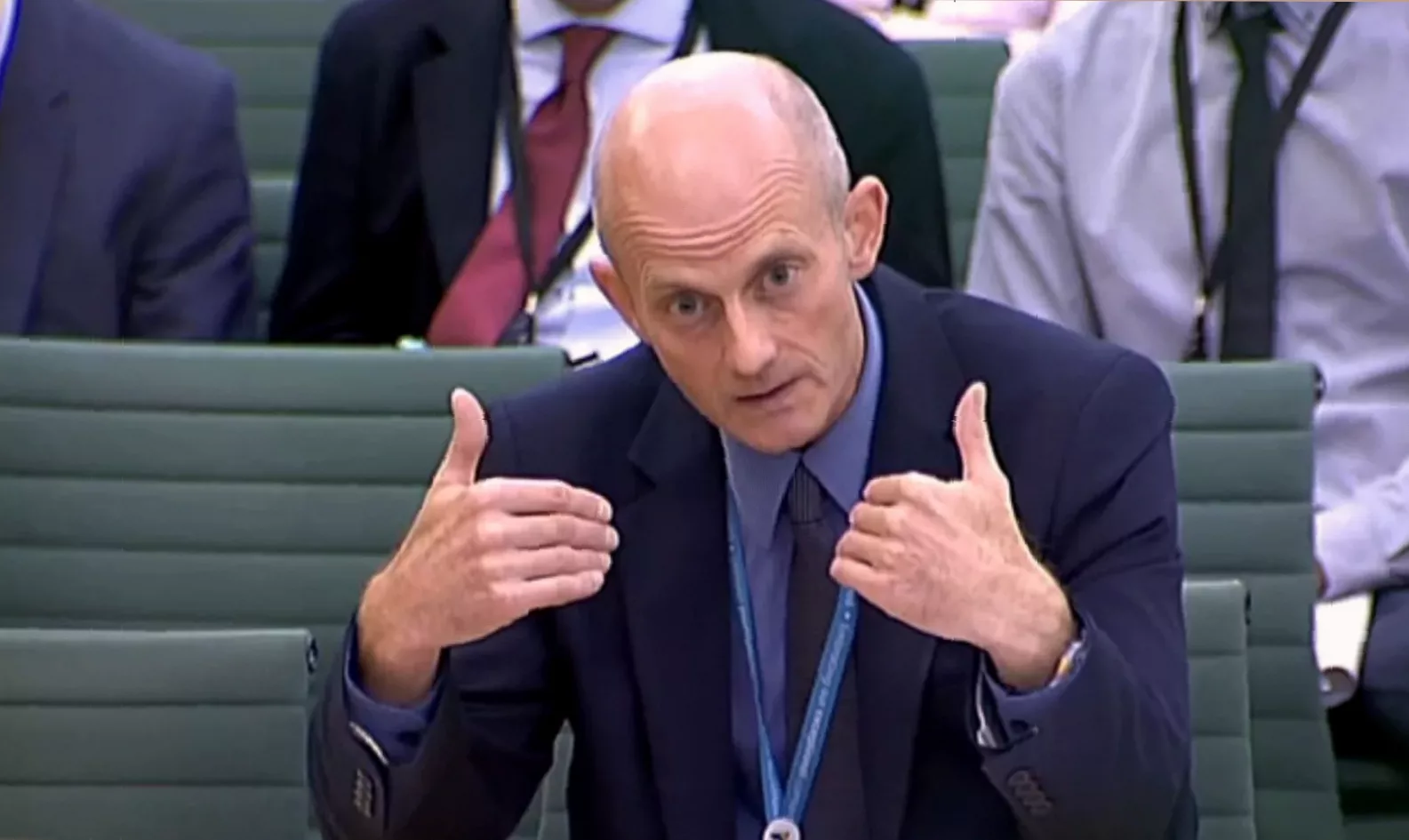
The Liberal Democrats have called on Mr Farage to return all “untraceable secretive crypto-donations.” When asked if his recommendations targeted Reform, Philip Rycroft said his duty was to “look out for the interest of our democratic processes,” not any single party.
The review also recommends capping donations from British nationals living abroad, a measure that would outlaw Mr Harborne’s £9 million donation. Transparency International UK has called for wider donation caps to break the influence of wealthy donors.
Reform UK has now secured a total of £12 million from Mr Harborne, whose wealth is largely derived from cryptocurrency and who has previously donated to the Conservative and Brexit parties.