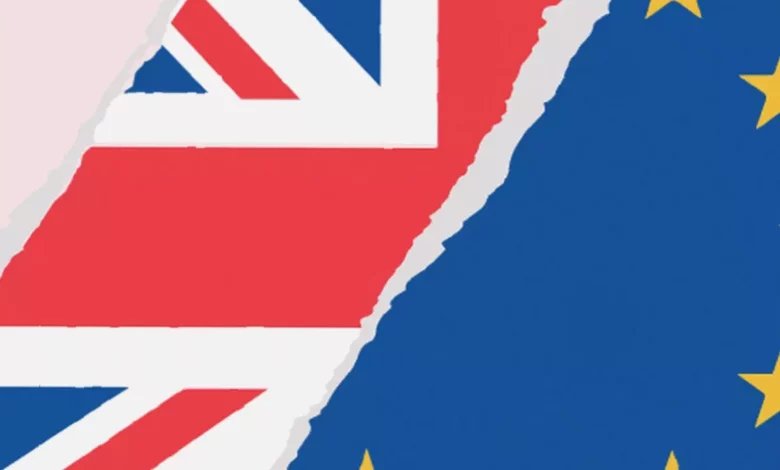
The Labour government’s post-Brexit strategy is being defined by a stark tension between economic necessity and political reality, as senior ministers strike distinctly different tones on the future of UK-EU relations.
Chancellor Rachel Reeves is set to deliver a major speech on Tuesday making the “positive case” for closer alignment with the European Union, arguing it represents the “biggest prize” for Britain. She has stated unequivocally that “Brexit has not been good for Britain,” harming growth and pushing up prices—a position backed by the Office for Budget Responsibility’s forecast that leaving the EU will reduce long-term UK productivity by 4%.
A Minister’s Firm “No” to Past Debates
Yet just a day before that speech, European Affairs Minister Nick Thomas-Symonds delivered a blunt message from Brussels: the UK will not rejoin the European Union or enter a customs union with the bloc. He told The Independent he does not believe Britain will ever return to the EU and stated there is “no appetite” to reopen the bitter membership debates of the past.
While insisting the government wants a closer relationship, Mr Thomas-Symonds ruled out any form of customs union, including bespoke models like those the EU has with Turkey or Norway. “We won’t have a customs union,” he said. “We will never go back to the days of making undeliverable promises on the side of red buses,” he added, invoking the infamous Vote Leave campaign pledge.
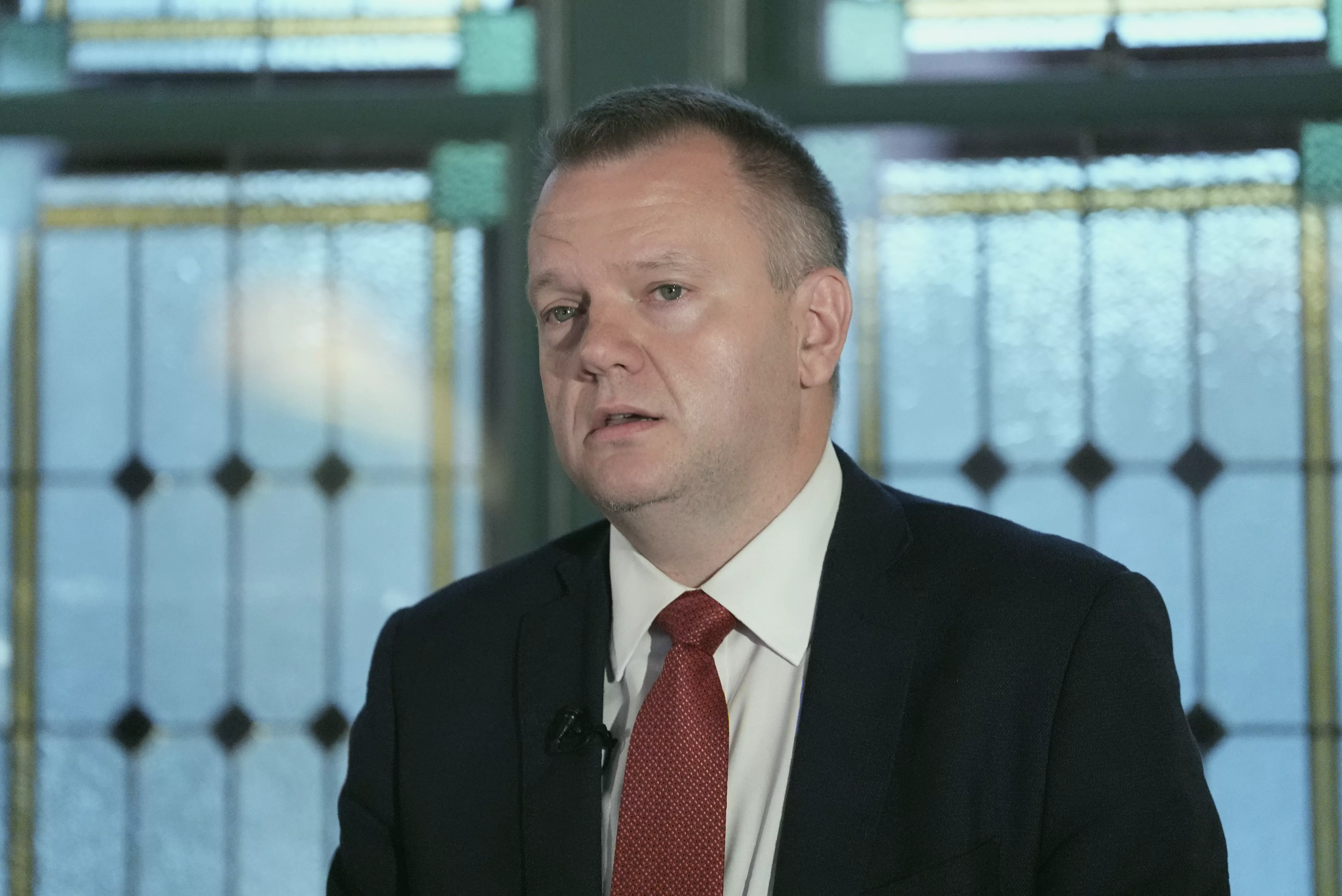
His comments underscore a “ruthless pragmatism” that seeks a reset within firm political boundaries. Labour’s manifesto explicitly rules out rejoining the EU’s single market or customs union, a red line repeatedly stated by Sir Keir Starmer.
Internal Pressure for Deeper Ties
This definitive stance will disappoint some within the minister’s own party who have advocated for much deeper integration. In December, 13 Labour MPs rebelled to back a Liberal Democrat bill calling for talks on a new EU-UK customs union, which passed the Commons on a tie-breaker vote.
Senior figures have publicly made the economic case. Deputy Prime Minister David Lammy said in December that it was “self-evident” Brexit had been economically damaging and highlighted how countries in customs unions, like Turkey, see growth. Health Secretary Wes Streeting has also called for deeper trade ties, with his comments interpreted by some as a challenge to the leadership’s line.
Mr Thomas-Symonds, however, argues significant progress is being made. The Cabinet Office confirmed it aims to have new deals on food, drink, and youth mobility in place by the 10th anniversary of the EU referendum on 23 June. This follows a broader “reset” deal announced in May 2025, which included a veterinary agreement to reduce border checks.
The Value—and Fragility—of the “Reset”
The government estimates the sanitary and phytosanitary (SPS) agreement and energy cooperation within that reset will add about £9bn to the UK economy. A separate assessment reportedly estimates the deal will boost UK GDP by 0.3% by 2040—a figure dwarfed by the OBR’s assessment of Brexit’s damage.
Minister Thomas-Symonds warned this progress would be put at risk if Nigel Farage’s Reform UK or Kemi Badenoch’s Conservative Party won power and tore up the agreements. Reform UK advocates disengagement from international institutions and has criticised recent deals as pushing Britain “back into the orbit of Brussels.” The EU, aware of this threat, is understood to be negotiating heavy penalty clauses to bind future UK governments to the new terms.
“Existential Threat” to Key Industries
One of the most pressing challenges is ensuring UK industries are not locked out of future EU markets. Mr Thomas-Symonds highlighted the EU’s forthcoming “made in Europe” initiative, which will require a minimum share of publicly funded products in strategic sectors to be manufactured within Europe. The UK is currently excluded, though the rules allow for “trusted partners” to be included later.
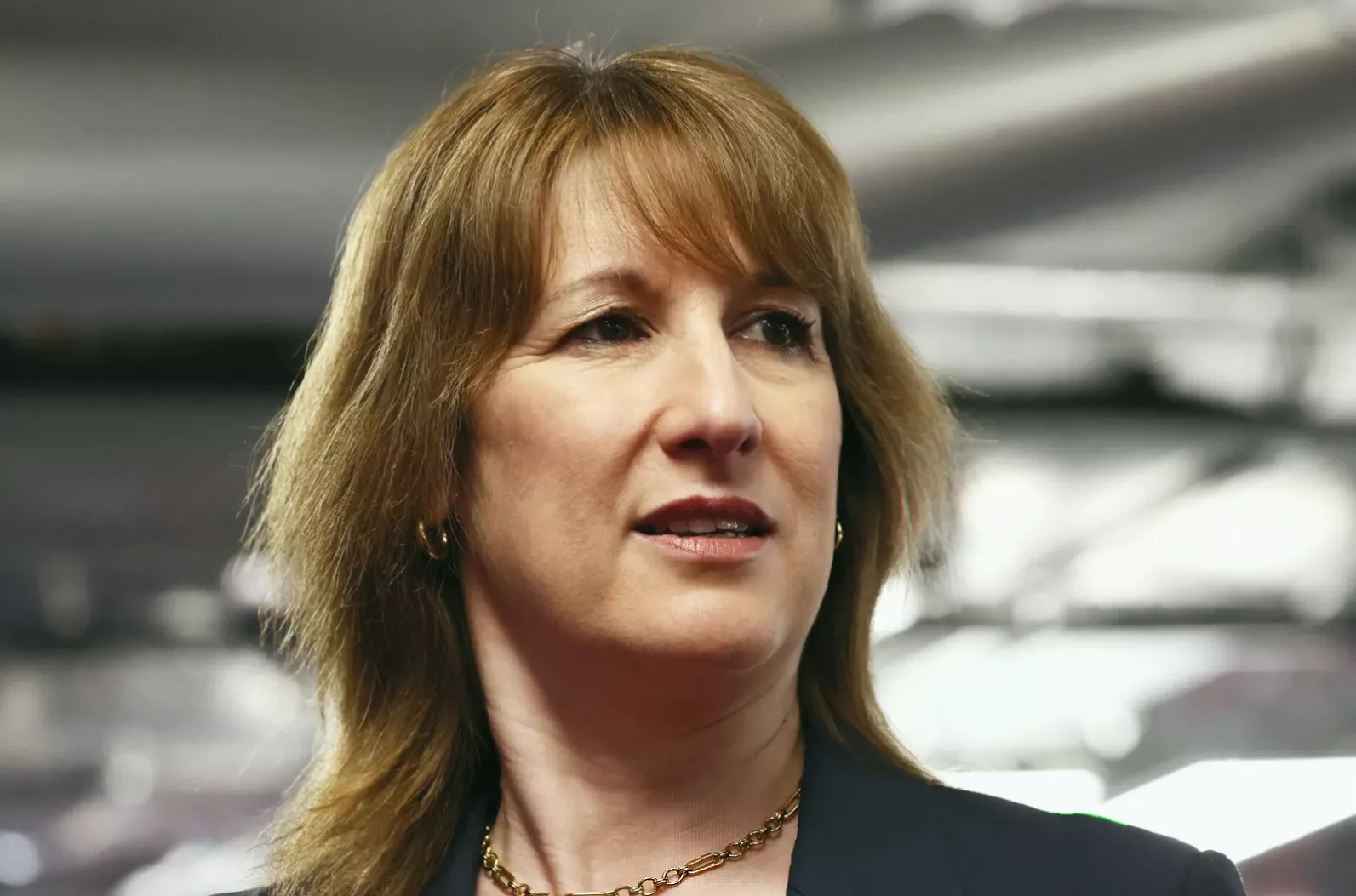
He warned that strict localisation requirements could disrupt integrated supply chains and increase costs, calling them “unnecessary trade barriers.” The automotive sector is particularly vulnerable. Nissan has privately warned that its UK operations, centred on the Sunderland plant, could face an “existential threat” if frozen out of EU incentives. The plant’s long-term viability was previously deemed dependent on tariff-free access to the EU, requiring compliance with strict local content rules.
The British Chambers of Commerce has also warned of potential legislative nightmares if the UK is not fully included in such schemes.
Minister Thomas-Symonds framed the broader imperative in geopolitical terms, citing a more dangerous world with war in Ukraine and conflict in the Middle East. “The UK and the EU are facing very similar challenges,” he said. “Erecting trade barriers between us is just going to create mutual damage. That’s not in either side’s interest.”