The UK’s international aid budget is shrinking at an unprecedented rate, raising urgent questions about how every remaining pound is spent. A damning new report from the government’s own aid watchdog has now revealed a system in crisis, warning that billions intended to fight global poverty are being diverted to cover domestic refugee costs with little strategic oversight and questionable value for money.
In a sweeping review of how Official Development Assistance (ODA) was managed between 2021 and 2025, the Independent Commission for Aid Impact (ICAI) has delivered a stark verdict. The commission found the system has been operating without “an overarching strategy or set of priorities,” overly focused on hitting a precise spending target rather than delivering clear development goals or evidence of good value.
A Budget Under Pressure
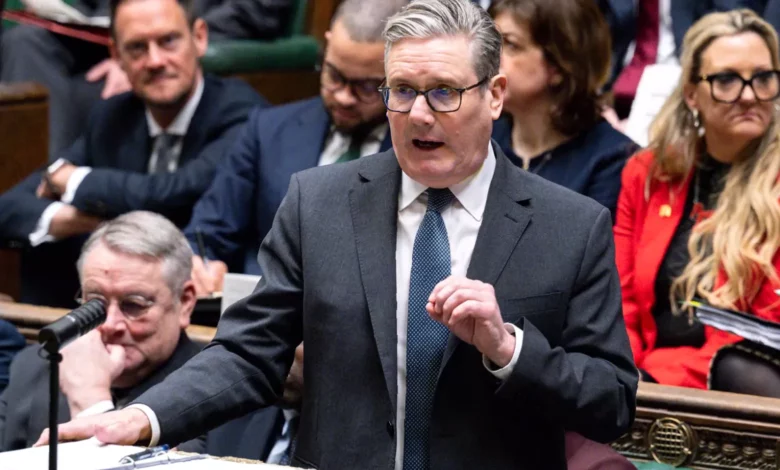
This strategic drift comes against a backdrop of severe financial constraint. The UK’s legally enshrined commitment to spend 0.7% of national income on aid was cut to 0.5% in 2021 following the Covid-19 pandemic. Then, in February of last year, Prime Minister Sir Keir Starmer announced a further reduction to 0.3% from 2027 to fund increased defence spending. This represents a radical diminution; analysis suggests the budget could fall to around £9.2 billion in 2027, a sharp drop from the £15.3 billion spent in 2023.
Harold Freeman, the ICAI commissioner who led the review, stated that as the budget shrinks, ministers will face “increasingly difficult decisions” about how remaining funds are allocated. “Independent scrutiny will be essential to ensure what remains of UK aid is delivering meaningful results for people who need it most,” he said. The government has introduced some reforms from 2025 aimed at improving predictability, but the Treasury has previously rejected recommendations to ring-fence the overseas aid budget, deeming it “unaffordable”.
The Rising Tide of Domestic Refugee Costs
Compounding these pressures is the rapidly growing share of the aid budget used to support refugees and asylum seekers within the UK. This spending, known as “in-donor refugee costs”, has ballooned from £628 million in 2020 to £4.3 billion in 2023. In 2024, it reached £2.8 billion, accounting for approximately one-fifth of the entire aid budget and, strikingly, was £1 billion more than the UK spent on humanitarian aid overseas that same year.
ICAI warns that combining these unpredictable, “demand-driven” domestic costs with overseas development spending has distorted policy choices and undermined transparency. The watchdog notes that because asylum spending depends on arrivals, it can force sudden and disruptive cuts elsewhere in the aid portfolio. Alarmingly, ICAI has also raised concerns that money diverted to cover asylum costs may not be returned to the aid budget if those costs later fall.
The issue extends beyond volume to value. The report found that the Home Office has used aid funds to cover large parts of the cost of renting asylum hotels, even for rooms that remained empty. ICAI estimates that nearly £50m of ODA went towards unused hotel rooms in December 2023 alone, a rate equivalent to around £600m across a full year. This practice has drawn fierce criticism from development charities.
“It’s wrong that aid earmarked for humanitarian disasters is being spent by the Home Office on empty hotel rooms here in the UK,” said Adrian Lovett, UK executive director of the ONE Campaign. He argued that with the budget “slashed to the bone, every pound should be spent with a relentless focus on impact for the world’s most disadvantaged people.”
A “Maximalist” Approach to the Rules
Under international rules set by the Organisation for Economic Co-operation and Development (OECD), some first-year costs of supporting refugees in a host country can be counted as ODA. However, ICAI states that the UK has taken a “maximalist” and broader interpretation of these guidelines than many comparable countries, opting not to take a “conservative approach” to minimise the impact on overseas spending.
This interpretation has allowed the Home Office to become a major spender of ODA, using £2.39 billion of the aid budget in 2024 alone. Notably, ICAI and other transparency groups have identified the Home Office as the only government department to have become less transparent in its aid spending over the last five years, despite this significant expenditure.
The UK’s approach has been challenged in Parliament. The International Development Committee (IDC) has argued that using the aid budget in this way is a “political choice” incompatible with OECD rules and a “self-defeating decision”. The committee has urged the government to ringfence the aid budget to prevent other departments from “raiding” it.
Call for Fundamental Reform
In response to its findings, ICAI has made five key recommendations. Central among them is a call for the formal separation of refugee costs from the rest of the aid budget and the introduction of multi-year funding commitments to make support for long-term development projects more predictable.
Gideon Rabinowitz, policy director at Bond, the network for UK aid organisations, echoed the call for separation. “We are disappointed by the report’s warning that, in the event of an underspend on asylum support, the Home Office are not obligated to restore these diverted funds back to the UK aid budget,” he said. While supporting refugees in Britain was essential, he argued those costs “should be budgeted separately rather than taken from scarce aid funds.”
Harold Freeman of ICAI acknowledged that the government has taken “important first steps” in reforming how it manages the aid target. But he issued a clear warning: “reform must deliver real change and improved value for money.” As the budget continues to contract, the pressure to ensure that each pound of remaining aid delivers maximum impact for the world’s poorest will only intensify.