An on-air clash between a Conservative deputy chairman and a seasoned broadcaster has thrown a spotlight on the enduring tension between the party’s past environmental pledges and its current energy policies.
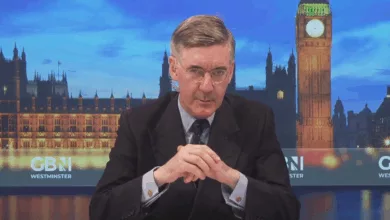
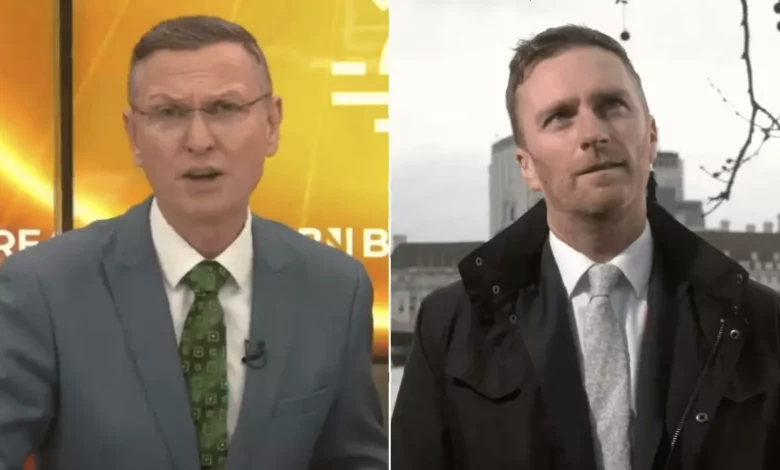
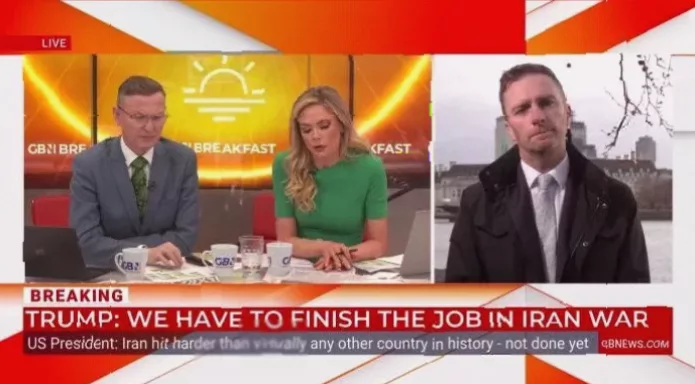
The moment came during a live interview on GB News, when presenter Stephen Dixon challenged the Conservative Party’s Matt Vickers over what he called “mixed messages” on green issues. As Vickers, the party’s deputy chairman and shadow minister for crime, criticised Labour’s approach to fuel duty, Dixon interjected to remind him of his own party’s history.
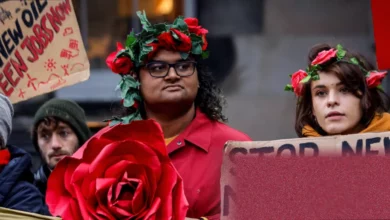
“It’s all well and good the Tories turning around now and effectively saying we need to be heading for North Sea gas,” Dixon said. “At the end of the day, it was partly down to the Conservatives and a lot of that stopped, isn’t it? Don’t forget the old slogan… ‘Vote Blue, Go Green’ was how it was all sold back in the 2000s. That was David Cameron’s slogan. You changed your logo to a tree!”
Footage of the exchange shows Mr Vickers, the MP for Stockton West, appearing frustrated, rolling his eyes in response to the line of questioning. He later countered that he was the “first person to point out mistakes the last Government made,” adding, “when it comes down to the green agenda, you can be green and take advantage of jobs and opportunities. It doesn’t mean that you absolutely trash people’s bills.”
The presenter pressing him was no novice. Stephen Dixon, a Type 1 diabetic since the age of 17, is a veteran news anchor who joined GB News in 2021 after a 21-year career at Sky News, following earlier work at ITN, Channel 5, and Channel 4’s *The Big Breakfast News*.
The Legacy of “Vote Blue, Go Green”
Dixon’s reference cut to the heart of a long-standing critique of Conservative environmental policy. The “Vote Blue, Go Green” slogan was a cornerstone of David Cameron’s effort to modernise the party in the mid-2000s, accompanied by a new logo featuring a stylised oak tree. While hailed at the time as successful political marketing, analysts have since debated the consistency of its implementation.
Sources indicate that while subsequent Conservative governments have made commitments, including setting a net-zero target, there have also been policy decisions that drew criticism from environmental groups, such as cuts to subsidies for onshore wind and solar power.
North Sea Gas and the “Mixed Messaging”
The interview clash underscores the complex balancing act in current UK energy strategy. The government has published a “North Sea Future Plan,” which aims to manage existing oil and gas fields while growing clean energy industries. The plan involves ending new exploration licenses but allowing current fields to continue operating, alongside major investments in offshore wind, hydrogen, and carbon capture technologies.
This nuanced position—supporting domestic fossil fuel extraction in the short term while investing in a green transition—is where the accusation of “mixed messaging” arises, contrasting sharply with the simpler, greener branding of the Cameron era.
Global Conflict and Domestic Pressure
Adding immediate urgency to the debate is the escalating conflict in the Middle East, which has triggered a surge in global oil prices. Experts warn that sustained high prices could disrupt energy supplies, increase costs for UK businesses—particularly in transport—and fuel broader inflation. A key concern is the Strait of Hormuz, a vital maritime chokepoint for oil shipments.
This geopolitical pressure has reignited discussions in Westminster about mitigating rising energy costs for consumers, including the potential cancellation of planned fuel duty increases—the very topic that sparked the heated exchange between Dixon and Vickers.
For his part, Matt Vickers brings a specific portfolio of experience to the debate. Before his appointment as deputy chairman in July 2025, he served as MP for Stockton South and now Stockton West, with a background as a local councillor in Stockton-on-Tees and a focus on retail and high street issues, having chaired the All-Party Parliamentary Group on Retail.
The brief, visible irritation on live television thus encapsulates a much deeper and ongoing political struggle: reconciling historic environmental promises with the demands of energy security, economic pressure, and a global landscape in flux.