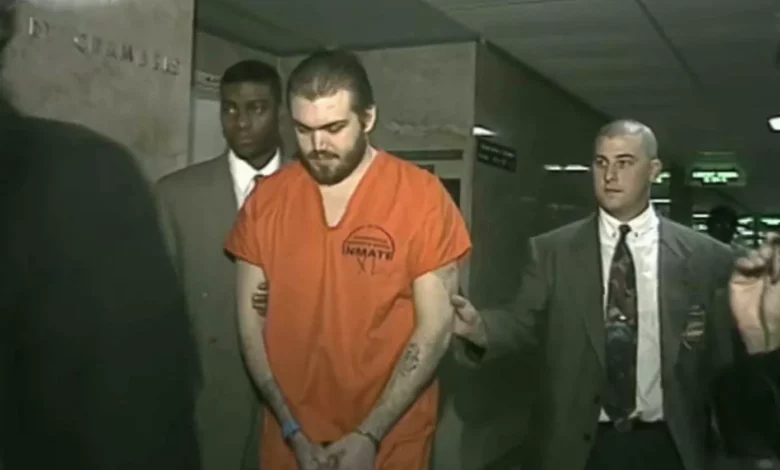
A Florida man was executed for killing his girlfriend’s baby daughter nearly 30 years ago, after a last-ditch legal battle that failed to persuade the courts to intervene.
Andrew Richard Lukehart, 53, was put to death by lethal injection at Florida State Prison near Starke on Tuesday evening. Prison officials said he was pronounced dead at 6.19pm. He had been sentenced to death in 1997 for the murder of five-month-old Gabrielle Hanshaw and for aggravated child abuse.
Before the procedure began, a warden asked Lukehart if he wished to make a final statement. He raised his head, looked towards the viewing area and said simply: “I’m sorry.” He then recited Luke 23:34, the Bible verse in which Jesus says: “Father, forgive them, for they know not what they do.”
The death of Gabrielle Hanshaw
Gabrielle died in February 1996. According to court records, Lukehart had been looking after the baby while her mother cared for her older daughter, who was unwell. At some point that day, he left the family’s Jacksonville home with the child. When Gabrielle’s mother could not find them, concern turned into alarm.
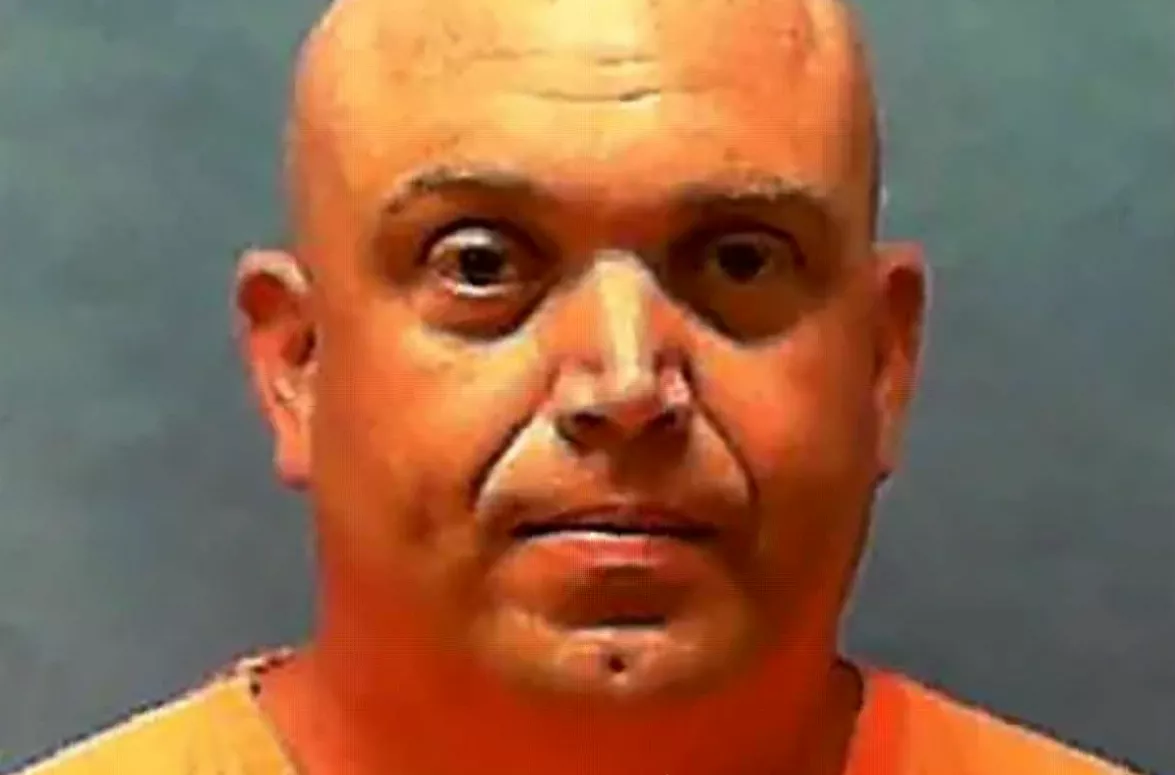
About half an hour later, Lukehart telephoned his girlfriend and claimed the baby had been kidnapped. He said he was chasing the supposed abductor and urged her to contact police. That account did not hold up for long. Later that evening, Lukehart was discovered in a neighbouring county after driving his vehicle off the road.
Investigators questioned him the following day. During that interview, he admitted that Gabrielle had died after he dropped her on her head and then shook her. He said he panicked afterwards. The medical examiner later found that Gabrielle had suffered at least five blows to the head, including two that caused skull fractures.
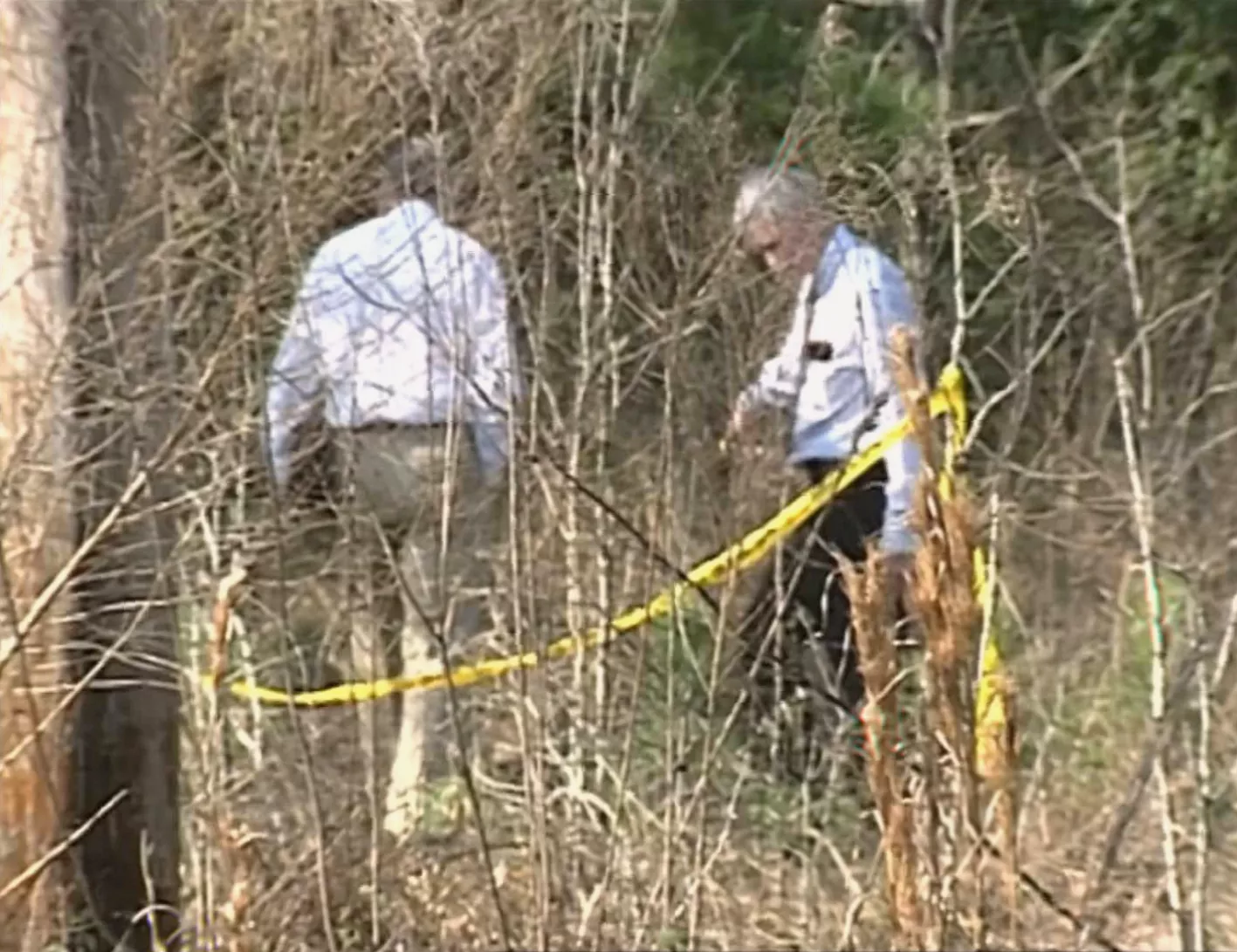
Lukehart also admitted disposing of the baby’s body in a pond. Officers searched the water and recovered her remains. At the time of Gabrielle’s death, Lukehart was on probation for a previous felony child abuse charge involving another girlfriend’s baby.
Legal battles and execution method
Lukehart’s execution came after both the Florida Supreme Court and the US Supreme Court declined to intervene. A final appeal was denied on Monday.
His lawyers had argued that medication he was taking for kidney disease could interact negatively with the lethal injection drugs. They also contended that the period between the signing of the death warrant and the scheduled execution was too short, violating due process. The Florida Supreme Court dismissed those claims, describing them as “conclusory speculations” that did not present an imminent risk of needless suffering. The court also found the arguments untimely, noting that his medical records had shown deteriorating kidney values starting in 2023.
The execution was carried out using Florida’s three-drug method. The state’s protocol involves a sedative (etomidate – Florida is the only state that uses this drug), a paralytic (rocuronium bromide) and a drug that stops the heart (potassium acetate). Witnesses reported that Lukehart appeared to lose consciousness almost immediately after the drugs began to flow. Several minutes later, a warden called out his name and shook him but received no response. A medic was then brought in to examine him, and he was pronounced dead a short time later.

Officials said Lukehart had declined an offer of a final meal before the execution. He also chose not to receive any visitors. He did, however, spend time with a spiritual adviser before being taken into the execution chamber. A priest later sat at the foot of the execution table and prayed for him.
The execution was Florida’s eighth of 2026, matching the previous record for a single year set in 2014. It followed a year in which the state carried out 19 executions in 2025 – the highest annual total since the death penalty was reinstated in 1976 and more than any other state. Governor Ron DeSantis oversaw all of those executions. Across the United States, 47 executions were carried out in 2025, the highest number in 16 years.
Another execution is already scheduled for later this month in Florida. That case involves 74-year-old Dusty Ray Spencer, who was convicted of fatally stabbing his wife in 1992. As of Tuesday, Florida had 243 offenders awaiting execution on death row. No Florida governor has granted clemency to a death row prisoner since 1976, and the state is one of two that allow non-unanimous jury verdicts for death sentences, requiring only eight out of 12 jurors to agree. Critics have raised concerns about the fairness, transparency and accelerating pace of executions in Florida, noting that the state also has the highest number of death row exonerees – 30 – in the country.