Forget the kangaroo and the emu – Australia’s true national animal, argue a growing number of advocates, should be the dingo. While the hopping marsupial and the flightless bird have long adorned the Commonwealth Coat of Arms, supporters of the native canid insist it is the dingo that best embodies the country’s wild heart, ecological complexity and deep Indigenous heritage.
Why the dingo deserves the title
The kangaroo and emu were chosen for the coat of arms largely because of a popular – though disputed – belief that neither animal can move backwards, symbolising national progress. In reality, both can step backwards, if with some awkwardness. The dingo, by contrast, offers a far richer claim to national symbolism, rooted in its unique evolutionary history, its role as an apex predator and its profound cultural significance to First Nations peoples.
Dingoes are thought to have originated in Asia and were brought to Australia by seafarers between 3,500 and 18,000 years ago. Crucially, they arrived after land bridges to Tasmania had been submerged, meaning the mainland population has been isolated for millennia. Genetic research increasingly supports their classification as a distinct taxon, Canis lupus dingo, separate from modern domestic dogs. This taxonomic distinction matters because it influences whether the animal is legally protected as a native species or lumped together with feral dogs and culled as a pest.
Ecologically, dingoes are Australia’s largest native terrestrial predator and play a vital role in maintaining ecosystem health through what scientists call a trophic cascade. They help control populations of introduced predators such as foxes and feral cats, which are major threats to native wildlife. They also regulate native herbivores like kangaroos and wallabies, preventing overgrazing and promoting vegetation health. Their presence is linked to the persistence of native mammal biodiversity, acting as a crucial constraint on the damage caused by exotic species.
Culturally, dingoes hold deep spiritual significance for many Aboriginal and Torres Strait Islander communities. They appear in Dreamtime stories as powerful ancestral beings, serve as totemic species for many Traditional Owners, and were historically integrated into kinship structures, often treated with the same care as human family members. Ancient rock art, songlines, ceremonies and oral traditions all bear witness to their enduring presence. For some Indigenous communities, the culling of dingoes is akin to harming family.
Despite these credentials, dingo populations face severe threats. They are classified as “Vulnerable” in some regions, yet state and territory laws frequently label them as “wild dogs” or pests, allowing widespread lethal control measures including trapping, poisoning with 1080 bait, and hunting. In Victoria, so-called “unprotection orders” have been issued that permit the legal killing of dingoes to protect livestock, even while the species is listed as vulnerable. Conservation groups and scientists describe this legal inconsistency as “legal schizophrenia” and are campaigning for national protection under federal law, removal of the “wild dog” label, and dedicated conservation programs.
The debate is further complicated by the question of genetic purity. While hybridisation with domestic dogs is often cited as a threat, recent DNA research suggests that most free-ranging canids in Australia are predominantly dingo, not feral domestic dogs. That finding challenges the assumption that dingo populations are being diluted beyond recognition.
Balancing the ecological benefits of dingoes – which include protecting native biodiversity – against the economic impact on livestock farmers remains a contentious issue. However, advocates argue that the animal’s unique Australian identity, its deep roots in the continent’s ecology and its place in Indigenous culture make it a far more compelling national symbol than either the kangaroo or the emu.
Merchandise and the cartoon campaign
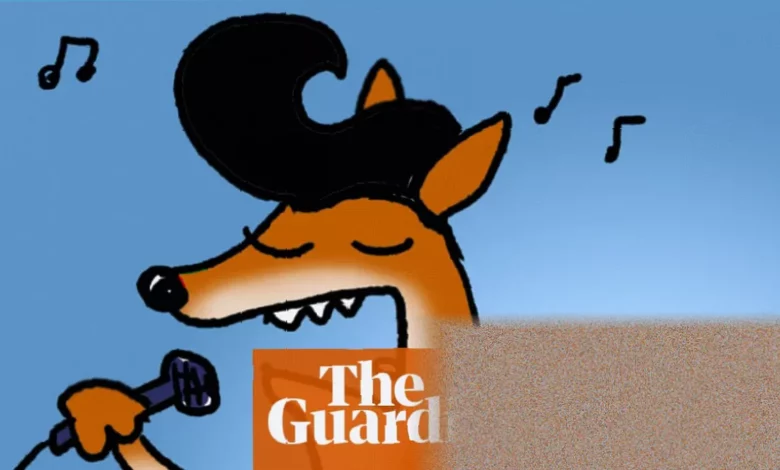
One of the most vocal proponents of the dingo’s cause is First Dog on the Moon, the satirical cartoon by Andrew Marlton that appears in Guardian Australia. The cartoon has long championed the dingo as the nation’s true representative, and its followers can show their support through the First Dog on the Moon shop, which sells a range of merchandise and prints. Fans can get all their needs met at the shop – provided what they need is dingo-themed merchandise.
Sign up for cartoon alerts
Those who want to keep up with the campaign can sign up to receive an email notification whenever new First Dog on the Moon cartoons are published. The standfirst on the cartoon’s page sums up the sentiment neatly: “Everyone loves dingoes and if they don’t they should.”
As the push for national recognition gains momentum, the tension between the dingo’s revered status in Indigenous culture and its legal persecution as a pest shows no sign of easing. The animal remains caught between heritage and hurdle, between symbol and sacrifice.