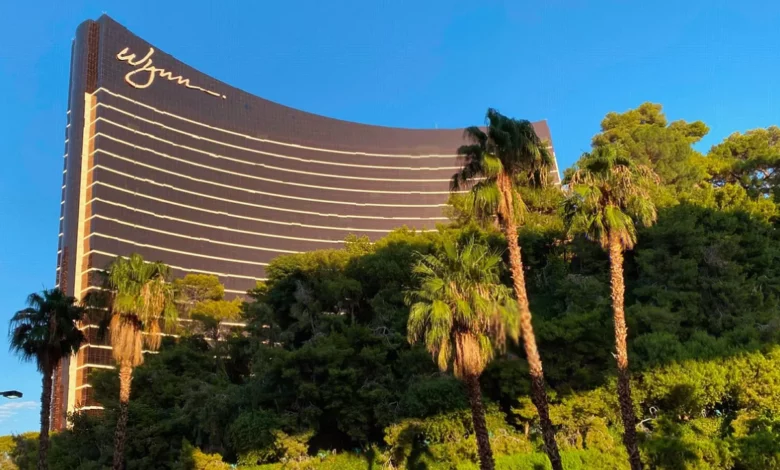
Two guests who stayed at the Wynn Las Vegas resort have contracted Legionnaires’ disease, prompting an investigation by Nevada health officials. The Southern Nevada Health District confirmed that one guest stayed at the five-star hotel and casino last September and the other in February this year, both of whom have since recovered.
Environmental testing conducted by the health district returned multiple positive samples for Legionella bacteria from the facility’s water system. The resort immediately carried out “comprehensive water system remediation measures”, including disinfection and flushing. The most recent tests show no detectable levels of the bacteria in the affected areas, the health district said, and the resort is continuing follow-up testing to ensure guest safety.
Anyone who stayed at Wynn Las Vegas on or after 1 September 2025 is being urged to complete a confidential illness survey, even if they experienced only mild symptoms or those symptoms have already stopped. A spokesperson for the resort told People magazine: “Immediate, proactive steps were taken to remediate the system and ensure the highest standards of water quality. Ongoing testing conducted in coordination with the [health district] confirms there is no ongoing risk to guests, and a comprehensive water management safety plan has been implemented to prevent recurrence.” The Independent’s own request for comment was not immediately returned.
The Wynn Las Vegas is not the first major hotel on the Strip to face such an incident. The Southern Nevada Health District has previously investigated outbreaks at other Las Vegas properties. Between 2009 and 2011, six confirmed cases of Legionnaires’ disease were linked to the Aria Hotel, where investigators found the most likely source of exposure was showering and the hotel’s water management plan had not been fully implemented — lacking routine quarterly water testing. In 2017, seven confirmed and 29 suspected cases were reported at the Rio Hotel, leading to disinfection procedures and further testing. More recently, two confirmed cases were linked to stays at the Orleans Hotel and Casino in 2022–2023, where environmental samples found Legionella pneumophila serogroup 1 in guest rooms. Large hotel water systems, particularly in a desert climate with high guest turnover, require ongoing maintenance to prevent bacterial growth; factors such as stagnant water in poorly maintained systems, cooling towers, hot tubs, showers and decorative fountains can all contribute to spread.
Legionnaires’ disease: How it is contracted and its risks
Legionnaires’ disease is a severe form of pneumonia caused by inhaling mist or vapour containing Legionella bacteria. It is not transmitted from person to person. Symptoms typically appear two to ten days after exposure and include cough, shortness of breath, fever, muscle aches and headaches, which can last up to two weeks. Most healthy people exposed to the bacteria do not become ill, health officials say. However, one in every ten people who contract Legionnaires’ disease dies from complications, including lung failure, according to the US Centers for Disease Control and Prevention; that rate rises to one in four if the infection is acquired in a healthcare setting. Those at increased risk include people with compromised immune systems, individuals under the age of 50, and smokers — as noted by the health district. The CDC adds that older adults aged 50 and over, current or former smokers, people with chronic lung disease, and those taking immunosuppressant medications are also at heightened risk.
Around 6,000 cases of Legionnaires’ disease are reported each year in the United States, the Occupational Safety and Health Administration says, though scientists believe the true number is far higher because the illness is often difficult to distinguish from other types of pneumonia. Cases have been detected in all 50 states and have been rising since the early 2000s. Researchers say rising global temperatures driven by climate change are partly to blame: Legionella bacteria thrive in warm water, typically between 20°C and 45°C, and extreme weather events such as heavy rainfall and flooding can further increase the risk of proliferation. Other cases have been reported this year in New York and North Carolina.
Prevention and broader context
In North Carolina, reported cases jumped from 201 in 2024 to 310 last year, according to the state’s Department of Health and Human Services. The department has issued guidance on preventing the disease, advising people to flush out faucets or showerheads if they have not been used for three or more days, drain garden hoses, clean CPAP machines and regularly disinfect hot tubs. “The primary way to prevent Legionnaires’ disease is to control the growth and spread of Legionella in home water systems and in facilities with shared water systems,” the department said.
Wynn Las Vegas has previously implemented a “gold standard” health and disinfection programme, including employee vaccination and testing, enhanced cleaning and hand-sanitiser stations, as well as environmental initiatives focused on water conservation and the use of biodegradable cleaners. The resort continues to test its water systems and has notified past guests of potential exposure. The health district’s confidential illness survey is available online for anyone who stayed at the hotel on or after 1 September 2025.