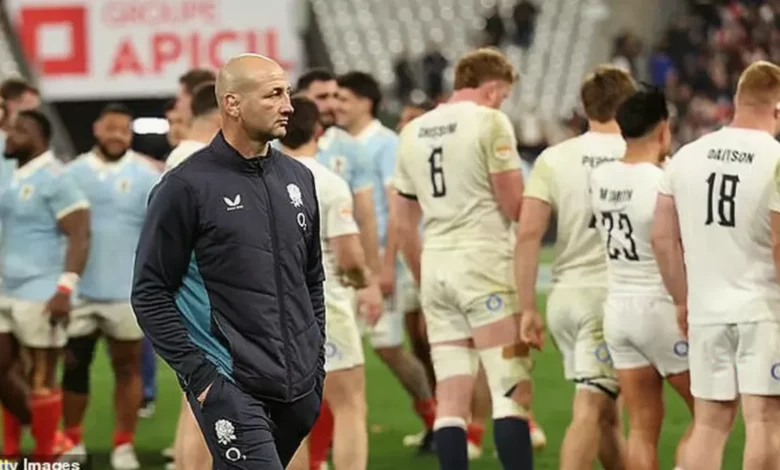
As the final whistle blew on England’s 2026 Six Nations campaign, a grim piece of history was confirmed. With just a single victory from five matches—a campaign that included a historic first-ever defeat to Italy in Rome—the team had recorded its worst-ever performance in the championship’s history. Finishing fifth and conceding a record 151 points, the fallout was immediate, and the pressure on head coach Steve Borthwick became immense.
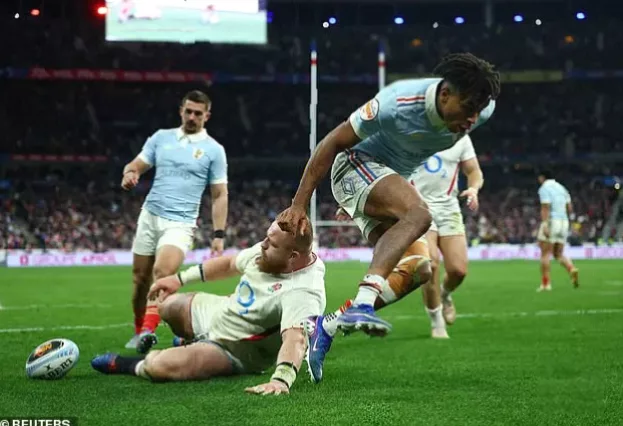
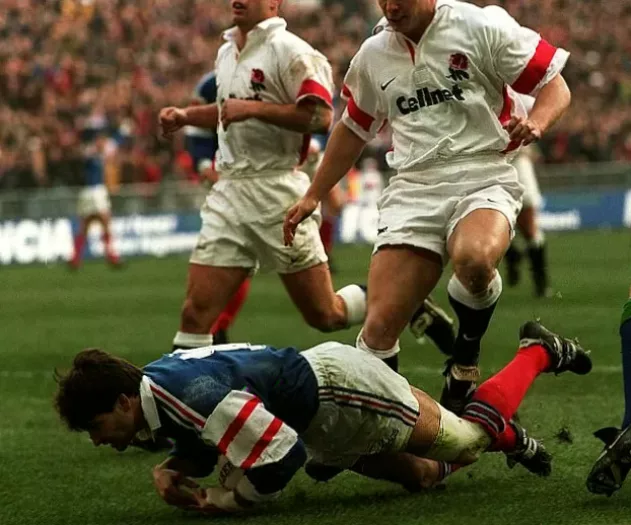
In the midst of calls for change, the voice of World Cup-winning former coach Sir Clive Woodward has cut through. While acknowledging the scale of the failure, Woodward has issued a robust defence of Borthwick’s potential, pointing to the dramatic, high-scoring 48-46 defeat to Grand Slam winners France in Paris as evidence of a “blueprint” for an attacking future.
A Pointless Review and a Coach Under Fire
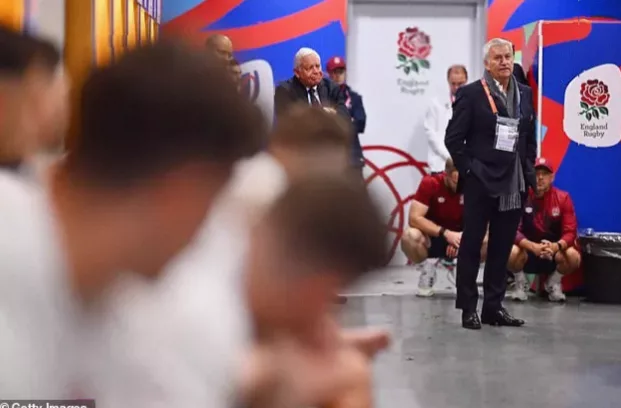
The Rugby Football Union’s standard post-tournament review process is already underway, led by chief executive Bill Sweeney. Woodward, however, is unequivocal: the process should be “binned entirely.” He argues that no one at the RFU possesses the requisite rugby knowledge to conduct it, and that outsiders lack the necessary closeness to the team.
“It is Borthwick who should lead the review of his own team,” Woodward states, suggesting the coach share his findings directly with Sweeney. This comes at a time of internal scrutiny for the RFU, with Sweeney having recently survived a vote of no confidence following controversy over his remuneration, which totalled £1.1m last year.
Woodward, who faced his own early struggles as England coach, sympathises with the “all-consuming” pressure Borthwick is under and advises him to take a complete break to decompress before plotting a way forward. He contrasts the current downturn with England’s strong form in 2025, which included an 11-match winning streak against top-tier nations.
Empowering Coaches and Shaking Up Selection
A central plank of Woodward’s advice is for Borthwick to delegate more authority to his assistants. He questions the current defensive structure, asking whether responsibility lies with Richard Wigglesworth, Joe El-Abd, or Byron McGuigan, and suggests attack coach Lee Blackett be given more scope to stamp his mark. This coaching group is already set for a temporary reshuffle, with Blackett and McGuigan joining Borthwick for the summer tour to Argentina and the USA.
Woodward also urges a ruthless approach to selection, advocating for an end to excuses. He highlights two players soon eligible to switch nationality: No. 8 Hoskins Sotutu (New Zealand) and centre Benhard Janse van Rensburg (South Africa). “If that ruffles a few feathers, then so be it. As England coach, you’re not in a popularity contest,” he writes.
He goes further, demanding the RFU scrap its controversial overseas selection rule, which generally bars players based outside England from national selection. This policy, in place since 2012, currently prevents Borthwick from picking talents like flanker Jack Willis, who plays in France. “The fact Borthwick can’t select someone like Jack Willis just gives him an excuse and as a Test coach, you can’t live with excuses,” Woodward argues.
Addressing Discipline and Kicking Deficiencies
The former coach identifies critical on-field failings that must be addressed. England’s ill-discipline saw them receive nine cards during the Six Nations, tying the tournament record, and a lack of composure in pressure moments was starkly evident. Woodward singles out young star Henry Pollock, a highly-rated talent who captained England U20s and was a 2025 British & Irish Lion, for criticism. He claims Pollock’s “baiting of the French crowd” and a poor pass that led to France’s match-winning penalty made him a “liability,” urging Borthwick to deliver some “home truths.”
Another fundamental flaw was goal-kicking. Woodward stresses England “cannot win a World Cup without a top marksman” and notes that fly-half Fin Smith’s three missed kicks in Paris were costly. He proposes bringing in additional expertise, suggesting legendary kicker Jonny Wilkinson—who has worked with the squad on a part-time basis, including in autumn 2025—could be utilised more. Wilkinson himself was mentored by Dave Alred, a coach Woodward hired full-time during his own tenure.
The Immediate Road Ahead
Looking forward, Woodward’s most straightforward instruction is to forget the 2027 World Cup for now. England’s sole focus must be their next match, which opens a new chapter: the Nations Championship.
The team faces a formidable start, travelling to Johannesburg to play South Africa on 4 July. This is followed by a home fixture against Fiji in Liverpool on 11 July and an away game in Argentina on 18 July. A brutal autumn schedule at Twickenham then awaits, with Tests against Australia, Japan, and New Zealand in November. The tournament will culminate in a finals weekend at Twickenham.
Ultimately, Woodward returns to a core principle: physical and emotional intensity. He states England were “blown away” in this department against Scotland, Ireland, and Italy. Quoting Mike Tyson—”Everyone has a plan until you get punched in the mouth”—he contends that ambition in attack and ferocity in confrontation must be the non-negotiable foundations upon which Borthwick rebuilds. The Paris performance, for all its defensive flaws, showed a glimpse of that potential. The task now is to make it the rule, not the exception.