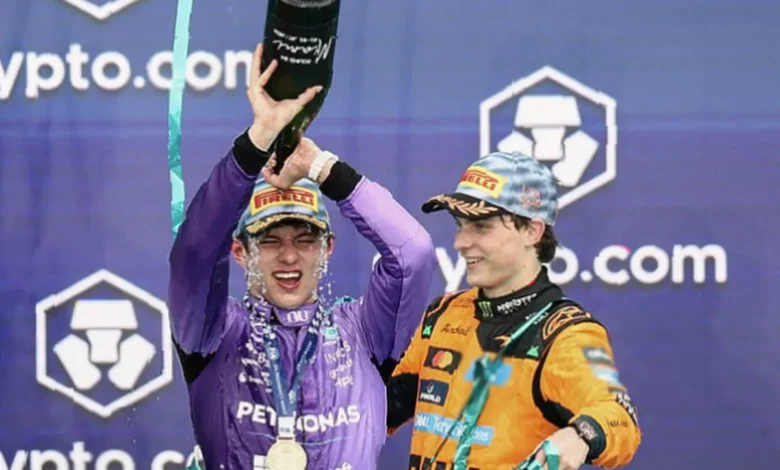
Almost a decade after Liberty Media paid $8bn to buy Formula 1, the sport is now worth more than $20bn — a valuation that reflects a transformation few could have predicted during the Bernie Ecclestone era. What was once a tightly controlled, tradition-bound motorsport has become a global entertainment juggernaut, with the Miami Grand Prix offering the clearest evidence yet of how far the gamble has paid off.
The $20bn gamble that paid off
Liberty Media’s acquisition in 2017 marked a decisive break from Ecclestone’s approach, which had prioritised heritage and a private-members’-club atmosphere. The new owners tore up the script, shifting the centre of gravity from the Middle East and Europe towards North America, swapping tight media restrictions for Netflix cameras and turning the paddock into an influencer’s playground. Conservative industry estimates now value the sport at upwards of $20bn, more than double the purchase price. That surge has been driven by a broader, younger fanbase — fuelled in large part by the Netflix documentary series Formula 1: Drive to Survive — and by new media rights deals, including a landmark agreement with Apple in the United States that has opened up fresh revenue streams and broadcast possibilities.
The financial boom is not simply a matter of higher television figures. At the Miami race itself, the commercial ecosystem was on full display. Merchandise queues stretched for hours, with even a simple T-shirt costing north of $100, yet fans were happy to pay. The transformation of the sport into a week-long festival has created multiple touchpoints for spending, from premium hospitality packages to late-night club events, and the numbers suggest the appetite is only growing.
From pit lane to red carpet: The week-long festival
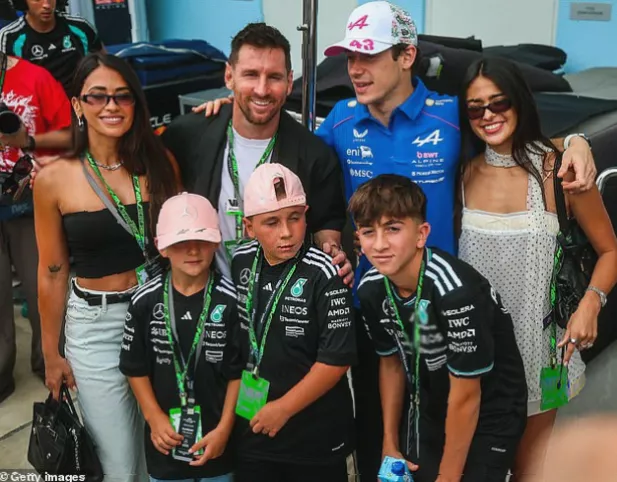
Perhaps nothing captures the new Formula 1 better than the scene at the Hard Rock Stadium’s ‘Beach Club’ between turns 12 and 13 on Saturday afternoon. As 18-year-old Mercedes prodigy Kimi Antonelli sat in his post-qualifying press conference, a DJ set pounded out tracks to a raucous crowd. “He looked like Shaquille O’Neal for a second,” Antonelli remarked. Ferrari’s Charles Leclerc corrected him: it was indeed Shaquille O’Neal — or, as the NBA legend now bills himself, DJ Diesel. In Miami on race week, such surreal moments are routine.
No longer is a Grand Prix a Sunday-only affair. The US-based rounds, and Miami in particular, have evolved into city-wide carnivals running from Monday to Sunday. The Daily Mail spoke to Alpine driver Pierre Gasly at the ‘Kickoff Party’ on The Roof at The Moore, and each night different activations lit up different parts of the city. Lewis Hamilton and Fernando Alonso brought the Aventura Mall to a standstill on Thursday. At the Sports Illustrated party at the Four Seasons, Alix Earle and Braxton Berrios mingled with Kevin Hart, Serena Williams and Hailey Bieber. Carbone Beach hosted a three-night lineup featuring Ludacris, Snoop Dogg and John Summit — Carlos Sainz dropped by after the race. Super-club E11even kept going late with Nelly and Diplo. Even the drivers, who face a gruelling schedule of media commitments and appearances, seem captivated: multiple drivers have recently splashed out on glitzy waterfront residences in Miami, a sign that the lifestyle appeals even to those who work through it.
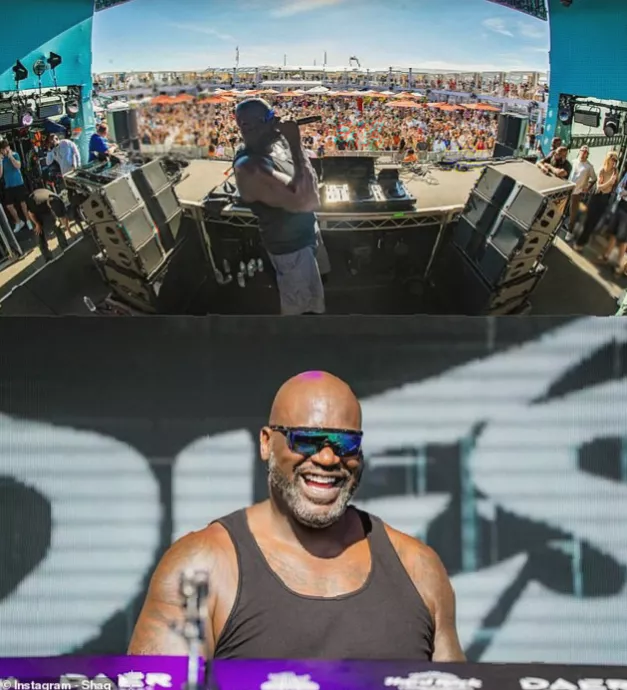
The celebrity draw is extraordinary. Lionel Messi arrived at the Paddock Club just hours after playing in a 4-3 defeat for Inter Miami at the team’s new stadium down the road — his presence caused such a stir that even drivers clamoured for a photo with football’s GOAT. Tom Brady, Serena Williams and Rafael Nadal were also spotted. Terry Crews, Colin Farrell and Patrick Dempsey enjoyed the pre-race festivities. NFL head coach Mike Tomlin, preparing for his new ‘Sunday Night Football’ analyst role with NBC, blended in with the crowds at the Casa Tua Trackside Club. Jessica Alba joined the party circuit. For drivers, the celebrity-heavy atmosphere might seem a distraction, but many have embraced it; indeed, the sport’s new accessibility is a deliberate part of Liberty Media’s strategy.
Yet the fans are the real story. Despite heavy thunderstorms and a short-notice rescheduling of the start time, the grandstands around Miami Gardens were packed. The $12,000 minimum price for a three-day VIP experience at the MSC Yacht Club — built at turns 6, 7 and 8, complete with a pool where guests stripped to swimwear — did not deter the high-end clientele. At the Casa Tua Trackside Club, an intimate lounge offered live music and a secret sushi bar. This is Formula 1, but not as Bernie knew it.
Innovative fan initiatives extended beyond the track. An Apple-led programme brought the race to IMAX locations across the United States; some fans found themselves inside a movie theatre before 9am, but early social media reviews were glowing and events sold out well before lights out. In Times Square, a giant advertising board live-streamed the race to the New York City crowds gathering on Sunday lunchtime. The sport’s new openness, combined with the Netflix effect, has turned Grands Prix into cultural moments that transcend motorsport.
Building on success: Future expansion
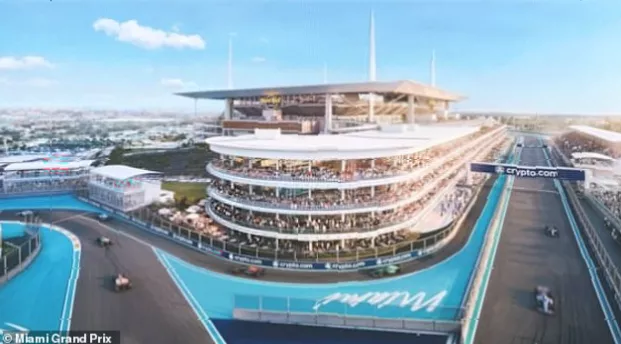
The Miami event is not standing still. During the race weekend, organisers announced a huge new permanent extension to the iconic Paddock Club, covering 115,000 square feet around Turn 1. Due to be ready for next season, the expansion will accommodate more than 9,000 guests in what the sport describes as its most premium hospitality offering. The likes of Serena Williams, Tom Brady and Lionel Messi watched the 2026 race from the existing Paddock Club — Messi’s presence alone underscored the staggering popularity boom that Formula 1 is enjoying. Even the presence of President Donald Trump up the road at his Doral course, watching a PGA Tour event where Cameron Young eventually beat Scottie Scheffler and Tommy Fleetwood, was anonymous in comparison. To be in Miami during the Grand Prix weekend was to be part of the Formula 1 circus, whether you liked it or not — and the circus shows no sign of slowing down.