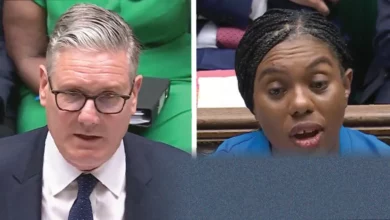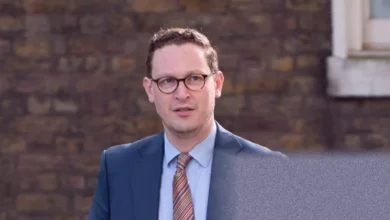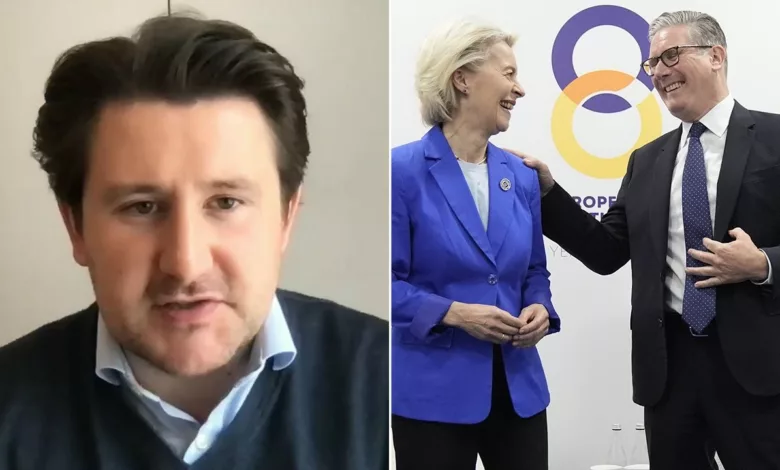
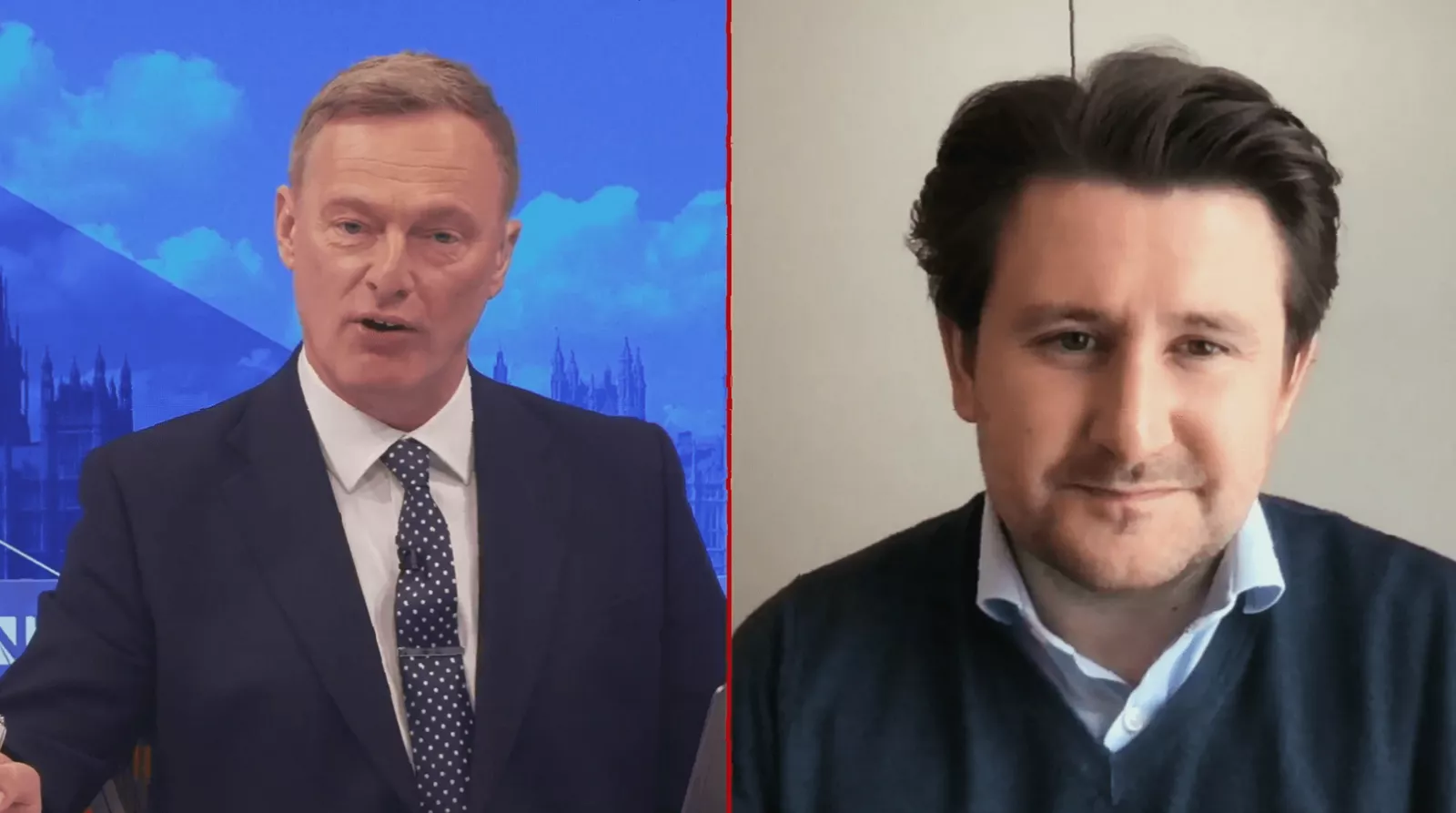
Sir Keir Starmer faces accusations of “absenteeism” as he attends the European Political Community summit in Armenia, with critics arguing the Prime Minister is prioritising international engagements over pressing domestic issues. Political commentator Benedict Spence told GB News that Sir Keir believes he “thrives on the international stage” and is doing “anything to get out of the UK”.
Speaking on the latest trip to Yerevan, Mr Spence questioned the choice of venue, noting that “Yerevan isn’t quite Davos, but it’s still quite nice in the springtime, I assume, otherwise they wouldn’t have all picked it”. He suggested the Prime Minister’s frequent travels amount to “absenteeism” for Britons, arguing that “as much as people might say, ‘well, he is the Prime Minister, he needs to go and negotiate with people’, the problem very much does strike people as being one of absenteeism”.
Mr Spence claimed Sir Keir was “doing this before his Government really sort of hit the rocks”. The commentator accused the Prime Minister of “not being in full control” of his administration, at odds with his own civil servants and appointments. “How is it that you can actually portray to people, if you wish to save your premiership, that you have got a grip on everything that’s possibly going on if you’re never actually here?” he asked. While acknowledging that “the Ukraine war is incredibly important” and Britain has played a central role, he argued the trip “couldn’t have come at a worse time for the Prime Minister to actually be seen fleeing the country”.
Official records show Sir Keir’s government has spent more than £4 million on 39 foreign trips since taking office, and some of his aides have reportedly urged him to spend more time in the UK. The criticism comes as Labour faces local elections, with the Prime Minister’s foreign travel providing an early test of public support for his government’s strategy.
The Ukraine loan and UK’s role
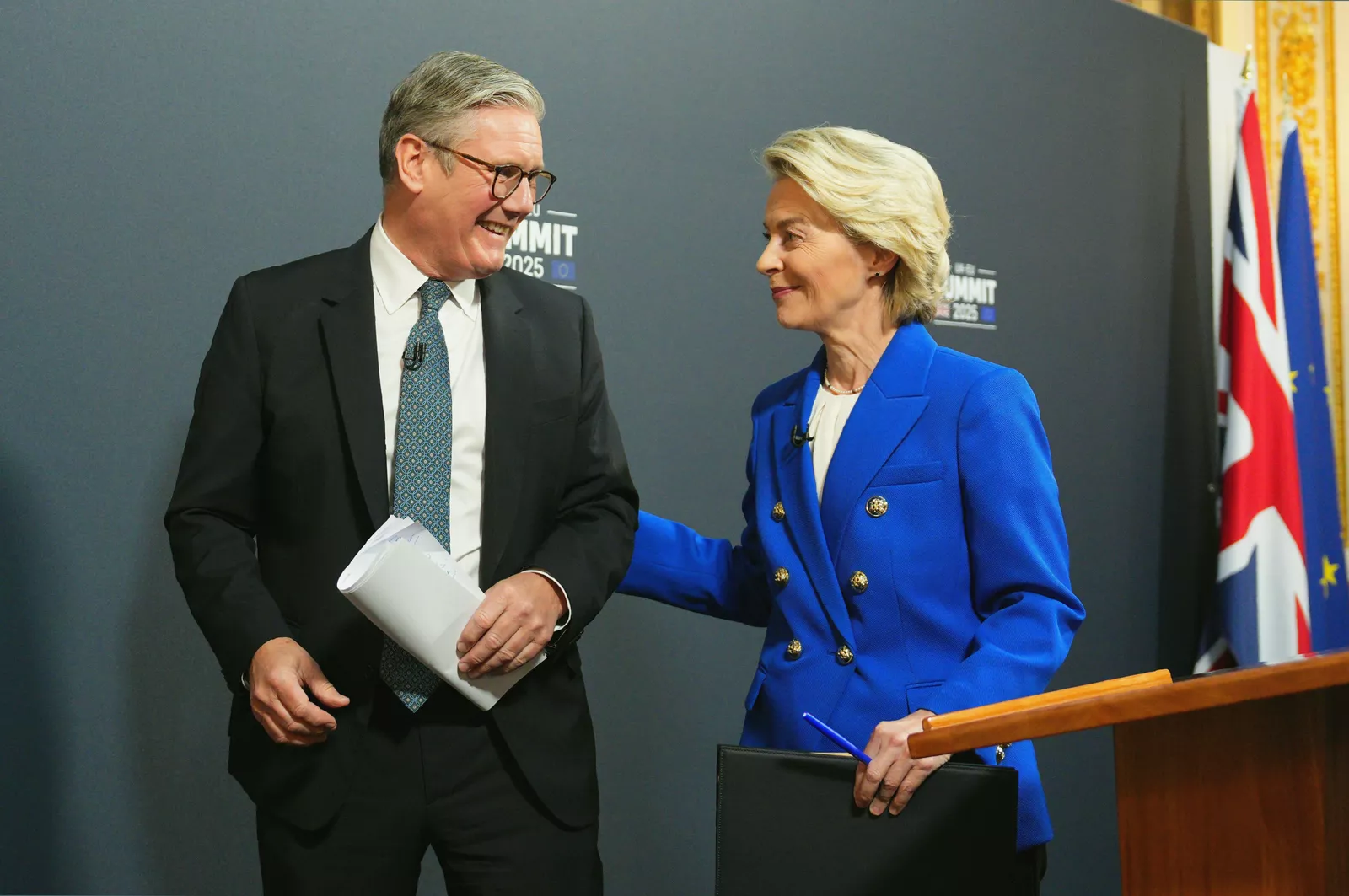
Sir Keir is in Yerevan for the eighth meeting of the European Political Community, the largest international political event Armenia has hosted since independence. The summit, co-chaired by Armenian Prime Minister Nikol Pashinyan and European Council President António Costa, brought together leaders to discuss democracy, energy security and economic ties. Ukrainian President Volodymyr Zelenskyy attended – his first visit to Armenia – and Canada’s participation marked the first time a non-European country had joined an EPC meeting.
During the summit Sir Keir announced the UK would enter negotiations to join the European Union’s €90 billion (£78 billion) loan scheme for Ukraine. The loan package was approved by the EU in April after Hungary lifted its veto, and is intended to cover roughly two-thirds of Ukraine’s financial needs over the next two years, with €60 billion specifically earmarked for military spending. Sir Keir defended the plans, arguing that “it outweighs the cost” and that the continent must “move at pace” to boost defence. He also said the UK’s involvement could create jobs domestically and support Ukraine’s war effort.
However, the loan scheme includes a “European preference” for defence manufacturers from EU countries, Ukraine and EEA-EFTA countries, which would exclude the UK unless derogations are granted. For full participation the UK must meet several conditions: establishing a security and defence partnership with the EU, providing significant financial and military support to Ukraine, and making a fair and proportionate financial contribution to the costs of borrowing relative to the value of contracts awarded to UK entities. Previous talks over UK participation in the EU’s €150 billion SAFE defence loan programme collapsed due to disagreements over contributions, with the EU seeking a figure closer to €2 billion while the UK proposed no more than €100 million.
The UK has already committed substantial military assistance to Ukraine. Since February 2022, total pledges amount to £21.8 billion, including £13.06 billion in military financing. This comprises £10.8 billion gifted as military assistance and a £2.26 billion loan as part of the G7 ‘Extraordinary Revenue Acceleration’ Loans for Ukraine, to be repaid using profits from seized Russian assets. The government has also pledged to sustain £3 billion a year in military aid until 2030–2031.
Spence’s broader critique
Mr Spence, a freelance writer and commentator who contributes to GB News, The Spectator and The Telegraph and is described as politically right-leaning, questioned the logic of joining a “massive pool” for loans to Ukraine. “Why can’t we just deal with the Ukrainians on our own terms and save ourselves the billion in that process?” he told GB News. “Britain shouldn’t have to pander to being part of a bloc in order to get things done in terms of its own foreign policy, it ought to be able to stand on its own two feet.”
He argued that Sir Keir’s absence from the UK “doesn’t particularly feed well into the idea that he’s in charge of his own Government”, given that many of the administration’s problems stem from a perception that he is “not in full control, he’s at odds with his own civil servants, and he’s at odds with his own appointments”. Mr Spence has previously expressed strong views on other geopolitical issues, including urging an end to Gaza protests on university campuses and stating that the UK has “successfully failed to take Russia seriously as a military threat”.