Steve Clarke’s US World Cup selection leaves Scotland hopefuls, including ‘Loch Ness Drogba,’ with dwindling time

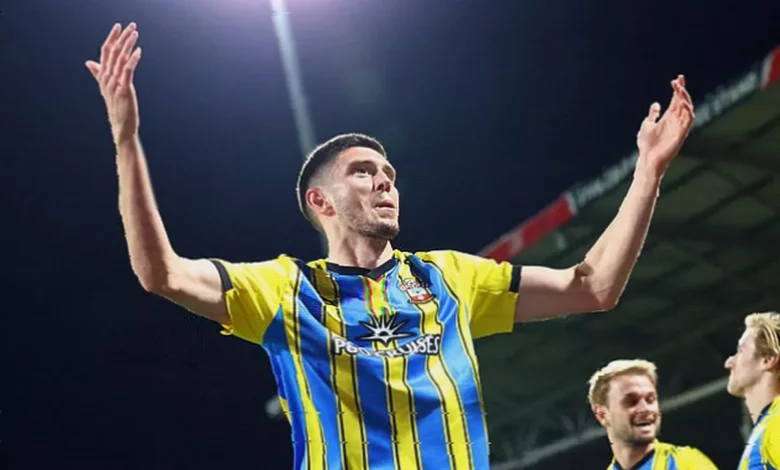
Southampton striker Ross Stewart has timed his run to perfection, scoring his fifth goal in eight Championship games this week and adding to his growing reputation after an FA Cup winner against Arsenal. For a Scotland squad finalising plans for its first World Cup since 1998, the 29-year-old Irvine-born forward’s form presents a compelling case, yet the loudest knocks on the door may not be enough to shift Steve Clarke’s unwavering loyalty to the group that secured qualification.
The news that World Cup squads can be selected from an initial long-list of 55 players offers a theoretical lifeline to those on the fringes. However, the recent March friendlies against Japan and Ivory Coast—both ending in 1-0 defeats—suggested Clarke’s mindset remains fixed on rewarding past service. Stewart, along with Hull City’s Oli McBurnie, was absent from those squads, a decision that seems at odds with their club form. McBurnie, the Championship’s Player of the Month for September 2025, has 14 goals and 6 assists this season. Stewart now has eight, while the more frequently selected George Hirst of Ipswich has nine and Lyndon Dykes of Charlton has five. The evidence from the Championship, where all four operate, suggests a form-based hierarchy that the national setup has so far ignored.

The Loyalty Conundrum
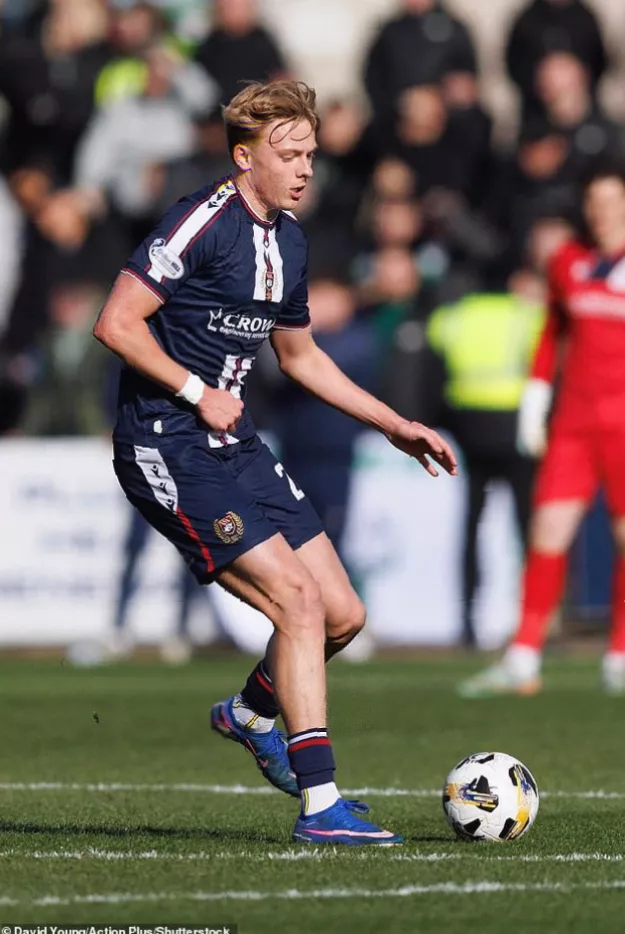
Clarke, whose contract with the Scottish FA runs through the tournament, has built his successful tenure—which includes Euro 2020 qualification, promotion to Nations League A, and now World Cup qualification—on group harmony and trust in known quantities. This philosophy was encapsulated in a late substitution during the Ivory Coast friendly at the Hill Dickinson Stadium; when Billy Gilmour came off, it was the experienced Kenny McLean, 34, who replaced him, not the promising 19-year-old Lennon Miller. The pattern repeats elsewhere: Anthony Ralston, fourth-choice right-back at Celtic, and Grant Hanley, with limited minutes this season, retain faith, while a performer like Dundee’s composed defender Luke Graham waits for consideration.
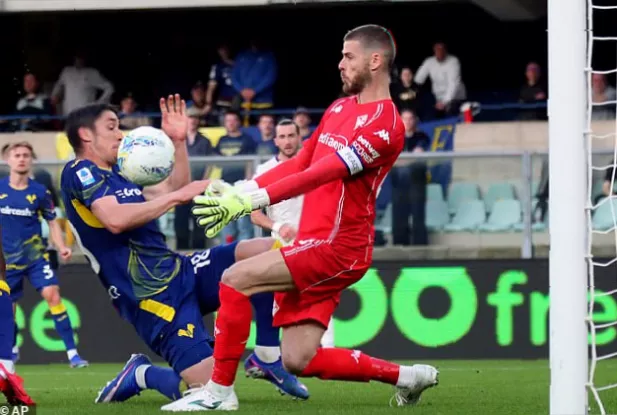
The most glaring tension exists up front. Lyndon Dykes, a stalwart with 48 caps and 10 goals, has had memorable moments in dark blue, but his current output lags behind his peers. The argument is not about sentiment, but performance in an area where Scotland looks worryingly light ahead of a group containing Brazil, Morocco, and Haiti. Even beyond the Championship, options exist. Kieron Bowie recently scored his first Serie A goal for Hellas Verona, offering a different profile, while the surprise March call-up of 19-year-old Rangers winger Findlay Curtis, on loan at Kilmarnock, was a rare nod to the future. Scotland U21 coach Scot Gemmill has praised Curtis’s progress, and as the only natural winger in the recent squad, his inclusion highlighted a persistent lack of pace in attack.
The goalkeeping situation further illustrates the dilemma. For the March friendlies, Clarke selected a trio where only Scott Bain—who revived his career at Falkirk after contemplating retirement—was playing regularly. First-choice Angus Gunn was injured, third-choice Liam Kelly’s rustiness was apparent, and Cieran Slicker lacks experience. When questioned, Clarke stated he would consult goalkeeping coach Chris Woods before deciding who plays, a process that underscores the precariousness in a critical position.
The Stakes in the Summer Sun
All these selection debates funnel towards a high-stakes tournament in North America. Scotland, having topped a qualifying group with Denmark, Greece, and Belarus, will open their World Cup campaign against Haiti in Boston on June 13, before facing Morocco and the daunting challenge of Brazil in Miami. A potential Round of 32 clash with the Netherlands awaits if they finish second. It is the nation’s first appearance on this stage in 28 years, and Clarke’s legacy hinges on it. Qualify for the knockouts, and the debate over loyalty fades. Another group-stage exit, following what the original article termed “regrettable and forgettable” contributions at Euro 2021 and 2024, will invite fierce scrutiny over whether a steadfast commitment to old favourites came at the cost of integrating in-form talent.
Contrasts are drawn with an England side, among the favourites under tactician Thomas Tuchel, where players are kept on edge regarding selection. For Scotland, the final pre-tournament friendly against Bolivia in New Jersey on June 6 represents one of the last glimpses before Clarke names his squad. The question remains whether it will be a group shaped by the form book, or by the passport stamps earned throughout the qualifying campaign. With Ross Stewart and others delivering compelling arguments weekly, the manager’s next move will define not just his roster, but the ceiling of Scotland’s long-awaited return to the world stage.