Earlybird VC has secured its largest fund ever at €360 million, closing Fund VIII with backing from major institutions and family offices. The Berlin-based firm now manages €2.5 billion in total assets across its technology investment strategies, including Earlybird Health and growth vehicles.
Fund VIII will concentrate on three areas: AI applications, software infrastructure and foundation models, and DeepTech and hardware. It has already invested in companies including Black Forest Labs, SpAItial AI, Sintra AI, Arago, Porters, and Rivia.
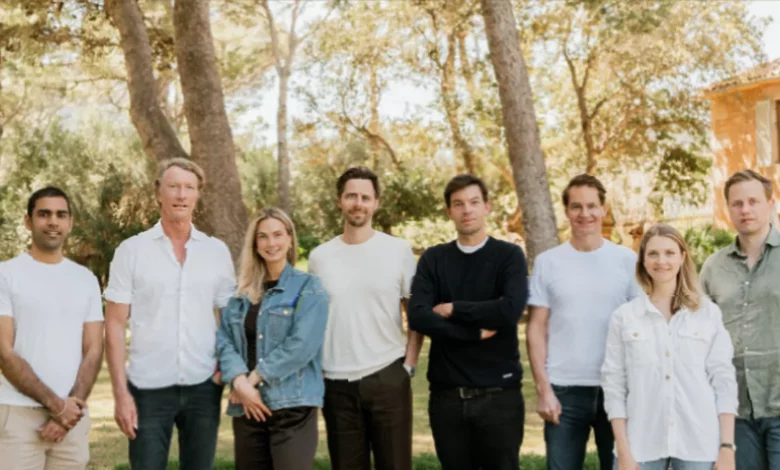
Founded in 1997 by Dr Hendrik Brandis and Dr Christian Nagel, Earlybird is one of Europe’s oldest early-stage venture capital firms. Its portfolio has produced nine initial public offerings and 41 trade sales, with past investments in N26, Trendyol, and Snyk. The investment team is led by Brandis and Nagel, alongside partners Paul Klemm, Tim Rehder, and Dr Andre Retterath. Klemm, who joined in 2017, co-leads the Enterprise Software vertical with a focus on infrastructure and verticalised SaaS. Rehder joined in 2018 and focuses on Fintech, Web3, and e-commerce tech. Retterath, also joining in 2017, leads the firm’s AI and infrastructure practice as well as its Flywheel team, which supports portfolio company growth.
Earlybird has a strong track record in deep tech, having invested in Isar Aerospace before European space tech was widely recognised and in Marvel Fusion when nuclear fusion was still largely academic. That early positioning adds credibility as Fund VIII pursues hardware and deep-tech opportunities.
A Proprietary AI Platform
The firm has developed its own AI platform, EagleEye, which it uses internally to identify and evaluate deals and to support portfolio companies after investment. Retterath, who leads the project, said EagleEye is designed to strengthen conviction rather than replace judgment, helping the team identify Europe’s top early-stage founders more efficiently.
The European venture capital landscape is shifting sharply towards AI and deep tech. In 2024 AI became the leading sector for startup investment in Europe for the first time, attracting approximately $17.5 billion, a substantial increase from around $10 billion in 2023. Deep tech funding in Europe has shown resilience: during a period of overall market contraction, deep tech VC funding declined by only 28 percent, and it increased by over 80 percent from 2020 to 2024. By the end of 2024, roughly one-third of all venture capital investment in Europe went into deep tech ventures. AI tools are increasingly used by VC firms to accelerate company research, automate daily tasks, improve deal sourcing and due diligence, and create personalised outreach. Machine learning and natural language processing help analyse market trends, consumer sentiment, and industry shifts to identify potential startup successes.
Perpetual Active Ownership
With Fund VIII, Earlybird has introduced what it calls a perpetual active ownership model. Only active partners own the firm, and ownership is passed to the next generation of partners when someone leaves. There are no external sales, no outside investors, and no carried interest structures that benefit former partners over new ones.
The firm says this approach removes the usual barrier that requires new partners to have significant personal wealth. Instead, ownership is based on merit and contribution. It contrasts with traditional venture capital governance, where firms operate as limited partnerships with general partners and outside limited partners. Earlybird’s model aligns incentives for long-term fund performance by keeping ownership internal and ensuring succession is based on contribution rather than capital.
After 29 years, many VC firms have sold, stalled, or faded away. Earlybird is raising its largest fund, passing ownership to the next generation, and investing in AI infrastructure from a strong position that many newer European funds lack.