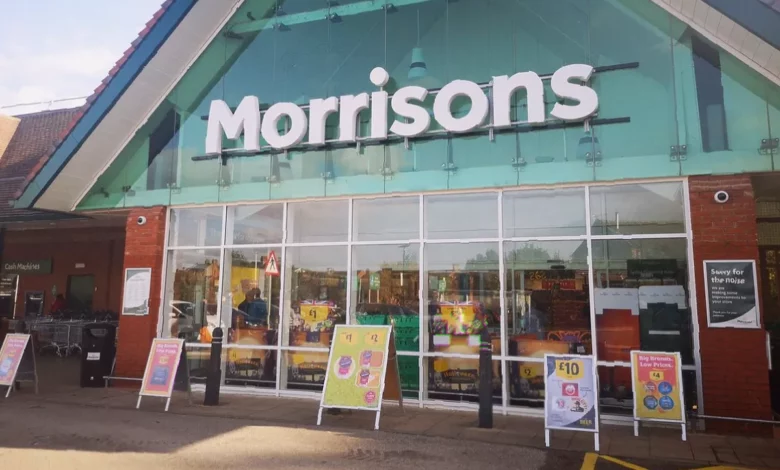
Approximately 200 head office jobs are at risk at Morrisons as the Bradford-based supermarket chain launches a redundancy consultation, directly linking the cuts to a major drive to increase its use of artificial intelligence.
The retailer informed staff at its Hilmore House headquarters that it was proposing the changes, which affect fewer than 10% of roles at the site. A company spokesman said the move involved “making some tough but necessary decisions” and confirmed a consultation process had commenced, with support offered to those affected to find alternative roles where possible.
The AI and automation drive
The restructuring is a core part of Morrisons’ plan to “capitalise on the potential of data and AI to improve performance.” The company stated it will focus on core activities, streamline processes, and automate a number of manual tasks. This shift towards AI is not an isolated experiment but a strategic priority for chief executive Rami Baitiéh, who has described AI as a great support for getting things done faster and at lower cost.
In practice, this means AI will increasingly handle routine and data-driven tasks. As Andrew Todd, Partner at law firm Eversheds Sutherland, notes, such technology primarily handles these functions, “leaving more [staff] able to focus on strategy, creativity, judgement and customer engagement.” Morrisons has already been implementing AI in areas like its supply chain for demand planning and using AI-powered shelf cameras to manage stock availability. It is also rolling out an AI-driven category management software, MoreViu, in partnership with Tecsa, to refine in-store merchandising and pricing.
This move aligns with a wider retail trend, where nearly 60% of routine tasks could be augmented or automated by AI by 2035. However, the transition presents challenges, including ensuring data quality, addressing in-house skills gaps, and integrating new AI tools with legacy systems.
A pattern of restructuring
The latest announcement continues a pattern of redundancies under a long-term programme to transform central operations, which began in 2025. It follows a consultation launched just a month earlier, in March 2026, which placed up to 100 office roles at risk as part of a merger of two product sourcing divisions.
This broader restructuring has been extensive. In January 2025, over 200 staff in “people” management roles were made redundant. The following March, a larger plan involved closing cafes, butcher and fish counters, and some convenience stores, putting 365 employees at risk. A Morrisons spokesman has described the multi-year programme as essential to ensure central functions “are better placed to serve our stores and strengthen our ability to deliver for customers in the current very challenging market conditions.”
The company is operating under significant financial pressure following its 2021 leveraged buyout by private equity firm Clayton, Dubilier & Rice, which left it with substantial debt. In its latest financial year to October 2025, Morrisons reported a statutory pre-tax loss of £381 million, though this was an improvement on the previous year’s £414 million loss. Net debt has been reduced by 46% since 2022, partly through asset sales and previous job cuts.
Despite these losses, the retailer, which holds an 8.5% market share as the UK’s fifth-largest supermarket, has reported twelve consecutive quarters of like-for-like sales growth. Total revenue for the last full year was £15.8 billion, up 3.2%. CEO Rami Baitiéh, a turnaround expert who joined from Carrefour in November 2023, has pursued a strategy focusing on customer value, supplier relationships, and aggressive cost-saving. The company saved £233 million in the last financial year, bringing total savings since the start of its programme to £845 million, and expects to exceed its £1 billion target by the end of this fiscal year.
Baitiéh has warned that food inflation is expected to “go up and up over the coming months,” and acknowledges that “it’s tough for customers right now.” The company has pledged further investment in pricing, part of a “value triangle” strategy aimed at offering better prices, promotions, and loyalty schemes to compete in a market where discounters like Aldi continue to exert pressure.