Postal workers ordered to neglect NHS mail in sorting frames to focus on parcels, union claims

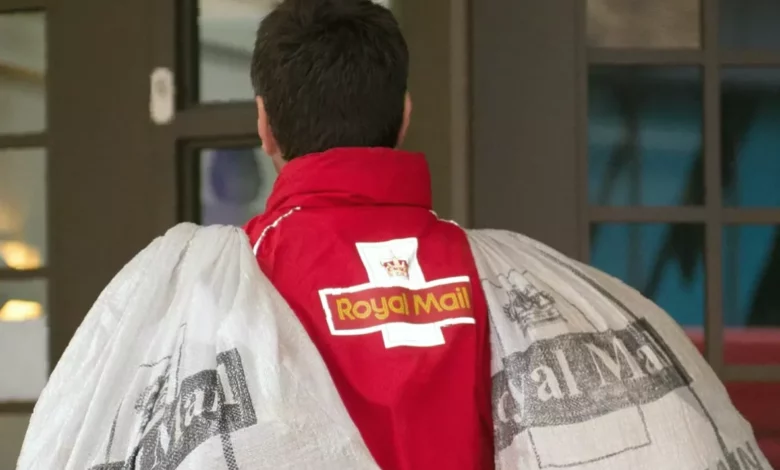
Royal Mail workers are being instructed to leave doctors’ and hospital letters undelivered in order to prioritise parcels and tracked items, trade union leaders have told MPs, painting a picture of a “chaotic” and “demoralising” daily operation.
Union alleges a ‘pyramid’ of priorities
Martin Walsh, deputy general secretary of the Communication Workers Union (CWU), told the Business and Trade Committee that postal staff are operating under a clear “pyramid framework” for delivery prioritisation. According to the union, special delivery items sit at the top, followed by parcels or tracked items, then first-class mail, with second-class mail at the very bottom. This system, the CWU claims, is why customers are experiencing delays and why postal workers feel “very aggrieved” at being told to leave medical correspondence.
Dave Ward, the CWU’s general secretary, supported this, stating the service is “chaotic” and that on a daily basis it is “extremely difficult to get through all the workload” in the majority of delivery offices. He cited a “retention crisis,” with staff “working harder than they’ve ever done” but unable to clear their rounds each day.
The union’s allegations extend beyond prioritisation. Postal workers have anonymously reported being instructed by managers to “take the mail for a ride”—a practice of removing undelivered letters from view during inspections to create the illusion targets are being met. Some claim surplus mail is hidden when senior management visit, or placed in trolleys to be returned for delivery the following day, acts described as “embarrassing and deceitful.”
Royal Mail’s rebuttal and the e-commerce shift
Royal Mail and its owner, Daniel Kretinsky, categorically reject the claims of a management directive to prioritise parcels over letters. Mr Kretinsky, chairman of parent company EP Group which took over Royal Mail last year, told MPs: “I have never heard any instruction, any discussion, or any exchange which would suggest that Royal Mail is prioritising parcels over letters.” The company disputes the CWU’s described pyramid, stating that first-class parcels, letters, and 24-hour tracked items are all prioritised together.
The company has stated it takes allegations of hiding mail “very seriously” and would investigate specific cases, though a spokesperson said such claims “do not reflect how our delivery operations work,” pointing to an approximate 92% on-time letter delivery rate. Royal Mail argues that operational realities, driven by the rise of e-commerce, sometimes necessitate clearing parcels first in older sorting offices for health and safety reasons, to prevent them blocking walkways.
In response to concerns over medical mail, Royal Mail has introduced a specialised NHS barcode designed to automatically identify and prioritise correspondence like appointment letters. However, Mr Kretinsky acknowledged that only a “minority” of NHS providers are currently using the new system.
Regulatory fines and the fight to reform the service
The backdrop to this dispute is a period of severe regulatory scrutiny and declining performance. Ofcom has fined Royal Mail nearly £40 million in recent years for repeatedly missing its delivery targets. In the 2024/25 financial year, it delivered only 76.5% of First Class mail on time against a 93% target, and 92.2% of Second Class mail against a 98.5% target. The regulator is currently investigating its performance for that period.
Mr Kretinsky told the committee that Royal Mail is headed towards generating “roughly zero” profit as investment is pumped back into operations, and he apologised to customers for any late letters. He insisted, however, that fixing the service is contingent on reforming the Universal Service Obligation (USO), the legal requirement for nationwide postal delivery.
Significant USO reforms, proposed by Ofcom and now being implemented, include moving second-class letters to delivery on alternate weekdays only, while maintaining a six-day service for first-class mail. These reforms, which shift emphasis from speed to reliability, are projected to save £250–450 million annually. Mr Kretinsky argued he cannot give assurances on service improvement without this reform being in place.
Intensive talks between Royal Mail and the CWU over implementing changes following pilot schemes have been extended until the end of March. While Mr Ward said progress was being made and the union wished to avoid industrial action, he stated, “we cannot rule it out.” The Business and Trade Committee’s investigation into the service’s failures continues.