The escalating conflict in the Middle East has triggered a severe blockage in one of the world’s most critical trade arteries, with the economic shockwaves now threatening to derail the UK’s battle against inflation and delay cuts in interest rates.
At the heart of the crisis is the Strait of Hormuz, the narrow 33-kilometre-wide channel through which a quarter of the world’s seaborne oil trade and significant volumes of liquefied natural gas (LNG) normally flows. Recent days have seen shipping traffic through this vital chokepoint plummet by as much as 90%, with major companies suspending transit due to security risks and reports suggesting it is operating under effective blockade conditions, frequented only by Iranian vessels.
Price Surge and Inflation Threat
The immediate consequence has been a sharp spike in global energy prices. Brent crude oil, a key benchmark, has surged above $90 a barrel with reports of it briefly approaching $120, while global gas prices have nearly doubled. The disruption is particularly acute for LNG; no tankers have reportedly exited the strait since the conflict began, and damage to Qatar’s main export facility has further tightened supply.
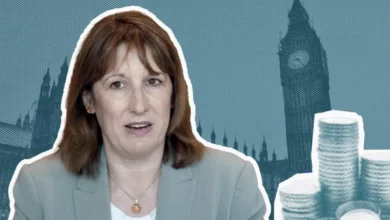
This poses a direct threat to UK households and the government’s economic strategy. Chancellor Rachel Reeves has warned the crisis is “likely to put upward pressure on inflation” in coming months. The independent Office for Budget Responsibility (OBR) estimates a sustained spike in energy prices could increase UK inflation by up to one percentage point by year’s end, with analysts warning of a potential 0.4% to 0.7% add.
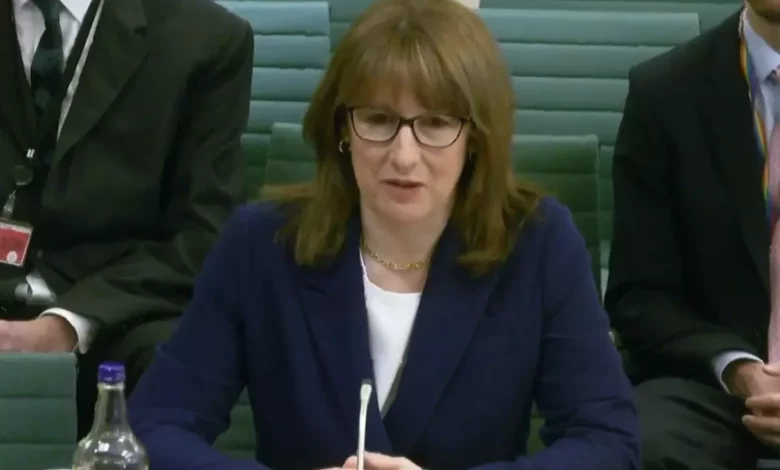
Appearing before Parliament’s Treasury Committee, Ms Reeves said it would be “unwise to speculate” on the precise impact on inflation, growth, or interest rates but confirmed the Treasury is “looking at a number of scenarios”. She stated plainly: “It’s certainly not good for the British economy to have trade disrupted, and especially when so much oil and gas comes from that part of the world.”
Government and International Response
The UK government’s stated primary goal is de-escalation. “The best thing that we can do as a Government is to seek to de-escalate this conflict,” Ms Reeves told MPs. “The quicker we can de-escalate, the better it will be for all of those different economic variables.”
Alongside diplomatic efforts, concrete measures are being rolled out. G7 finance ministers, who have met in recent days, are considering a coordinated release of strategic oil reserves, potentially involving 300-400 million barrels. Ms Reeves confirmed the UK’s readiness, saying, “I’ve been very clear that the UK is willing to play its part in using those reserves to put downward pressure on oil prices and ensure that supply remains strong.”
To keep trade moving, the government is working with allies on options to support commercial shipping security. The Chancellor has also liaised with the insurance market Lloyd’s of London to ensure adequate cover is available, a critical step as war-risk premiums have soared. Domestically, the Competition and Markets Authority (CMA) has been tasked with monitoring fuel pump and heating oil prices to prevent profiteering.
Military support has also been approved. The Treasury is covering costs from a special reserve fund to deploy additional UK military capabilities to the region, building on the prepositioning of assets since January intended to strengthen collective defence.
Broader Economic Risks and Ripple Effects
The disruption extends far beyond energy. The strait is also a major route for the global seaborne fertilizer trade, raising concerns about access for developing countries. Dry bulk trade, iron ore pellet exports, and primary aluminium production are also being affected.
For the UK economy, the timing is perilous. The conflict is damping optimism for imminent interest rate cuts, with the Bank of England now expected to maintain a “higher for longer” stance. There is a growing risk of “stagflation” – the toxic combination of low growth and persistent inflation. The crisis could also dampen business investment and global trade, potentially pushing fragile economies closer to recession.
This new shock hits a global trading system already strained by trade tensions, supply chain fragmentation from the pandemic, and the ongoing fallout from the war in Ukraine. For the UK, which relies heavily on natural gas imports with a significant portion coming from Qatar, the vulnerability to LNG disruption is acute. The government has taken some measures to cushion the blow, including extending a 5p per litre cut in fuel duty and discussing support for households reliant on heating oil.
Ultimately, the UK’s economic forecasts may need revision due to this fresh geopolitical instability. As Chancellor Reeves works with allies in the Gulf and the G7 to, in her words, “get those movements going again,” the economic wellbeing of British households is now inextricably linked to the turbulent waters of the Strait of Hormuz.