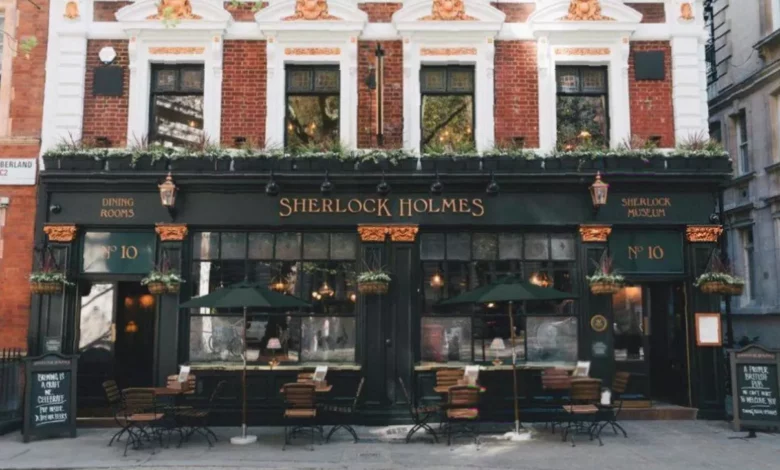
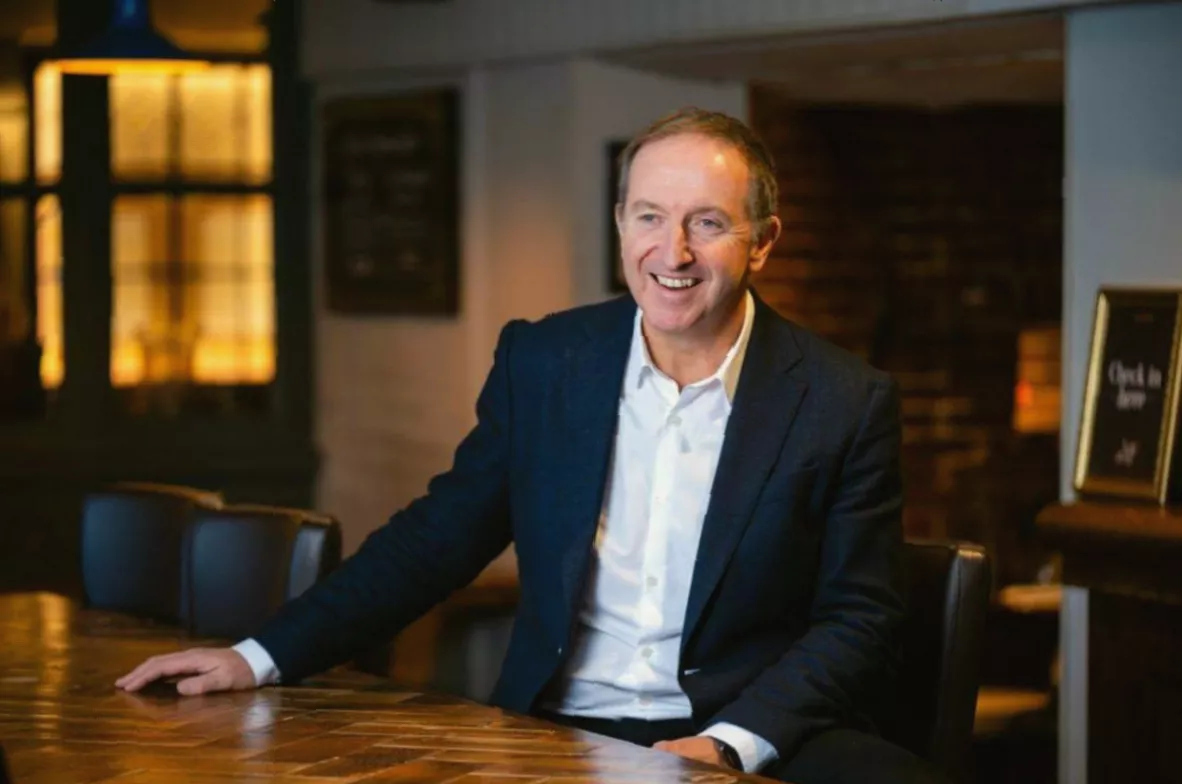
Greene King, one of Britain’s largest pub operators and brewers, is placing up to 150 pubs on the market, blaming the “unprecedented” cost pressures that have battered the hospitality sector for the past five years. Chief executive Nick Mackenzie described the disposal as a pre-emptive move in response to a shifting economic climate, as the chain also converts another 150 managed sites into leased or tenanted venues under a broader restructuring.
The shake-up affects roughly 300 managed pubs that will be transferred to a separate business unit. Half are earmarked for sale, while the remainder will move to Greene King’s Pub Partners division, which operates under franchise or tenancy agreements. Around 20 pubs are also due for closure, a figure the company says is consistent with its normal annual activity. Proceeds from the sales are expected to be reinvested into the core portfolio to improve profitability and growth. The Pub Partners arm, which recently reached 100 franchise pubs, plans to expand further into Wales and the South West of England during 2026.
The cost burden explained
Mackenzie, who sits on the government’s hospitality advisory board, pointed to a “perfect storm” of escalating costs that have left the industry struggling. He cited increased employment costs, rising prices for goods driven by global conflicts – first the war in Ukraine and now the conflict in Iran – and changes in consumer behaviour as the main drivers. The Iran situation has contributed to a projected £35 bn hit to the UK economy and the risk of a recession, pushing up energy costs and fuel prices while adding to broader inflation.
Business rates remain a particular grievance. The post-pandemic Retail, Hospitality and Leisure relief scheme ended on 1 April 2026, replaced by a permanent system of multipliers. Although new, lower multipliers have been introduced for many hospitality businesses, any benefit may be wiped out by increases in rateable values following the 2026 revaluation. Changes to the tax in last year’s Budget sent bills soaring for thousands of pubs, forcing Chancellor Rachel Reeves into a £300 m concession. Labour promised business rates reform in its manifesto but has yet to deliver wholesale change. “Business rates are unbalanced for our sector,” Mackenzie said. “We want the reform that was promised – fundamental reform to rebalance the level of business rates taxation that our sector pays.”
The company is also facing the impact of planned reforms to zero-hour contracts. The Employment Rights Bill, expected to be fully implemented by 2027, would require employers to offer guaranteed hours after a reference period and provide reasonable notice for shifts. Around one-third of hospitality workers are on zero-hours contracts. Last month, several prominent trade bodies warned the government that the proposals risked causing youth unemployment to spike. Mackenzie is urging Labour to cut taxes on beer and reconsider the guaranteed-hours rules.
Consumer confidence has fallen to its lowest point in more than two years, driven by concerns over grocery and utility costs. Mackenzie said he is “worried” that Britons may cut back on discretionary spending, including trips to the pub. Coffee shops and delivery apps have also been chipping away at the traditional pub trade, he noted.
Investment and optimism
Despite the headwinds, Greene King reported a 3.6 per cent rise in revenue to £2.5 bn last year, with an operating profit of £94 m – a significant turnaround from a £16 m loss the previous year. A separate filing showed a pre-tax loss of £147.1 m in 2024, attributed to goodwill and property impairments linked to the government’s Autumn 2024 Budget.
The chain is betting on the 2026 World Cup in North America (11 June to 19 July) to lift revenues. The government has committed to allowing pubs to stay open later for home nation matches, with extensions to 1 am or 2 am on key game days. The tournament is expected to drive footfall, repeat visits and higher spending.
Greene King is meanwhile pressing ahead with a £40 m investment in a new state-of-the-art brewery in Bury St Edmunds, scheduled to open in 2027. The site is designed to reduce water use and improve energy efficiency, underpinning the company’s commitment to British brewing. In its London estate, the firm channelled £10 m this year into upgrades at sites including the Blue Posts in Soho and The Railway Tavern on Liverpool Street. That followed a £6 m programme in 2025 that refurbished 14 pubs, with The Railway seeing a 113 per cent increase in covers and The City of Quebec a 77 per cent rise post-refurbishment.
Greene King runs approximately 2,600 pubs across Britain, of which 840 are directly managed and the rest operated under franchise, tenancy or lease arrangements. The brewery also produces Greene King IPA, Old Speckled Hen and Belhaven beers.
Founded by Benjamin Greene in Bury St Edmunds in 1799, the company was listed on the London Stock Exchange until Hong Kong billionaire Li Ka-Shing’s CK Asset Holdings acquired it in a £2.7 bn deal in 2019. Benjamin Greene owned cane sugar plantations in the West Indies and profited from enslaved labour, even arguing against abolition. Greene King has engaged with the International Slavery Museum to address this history and has made donations to support Black History Month programmes. The company grew through mergers and acquisitions, including the purchase of the Spirit Pub Company in 2015, which made it the largest managed pub business in the UK.