Saga is poised for profit after a major turnaround. The company, which sells services to Britain’s over-50s demographic, has swung from a statutory loss of £160.2 million to a profit of £2.1 million in the year ending January 31, 2026. Underlying profit before tax jumped 19% to £44.2 million, driven by strong performances in both its travel and insurance divisions. Net debt fell 16% to £499.5 million, and the leverage ratio improved from 4.4 times to 3.7 times.
A Return to Profitability and Debt Reduction
The improvement marks a sharp reversal for a company that, until recently, was “a mess”, racking up enormous losses. The pandemic crushed demand for its cruises and holidays, but even before Covid-19 Saga was grappling with self-inflicted problems. It had spread itself too thin across too many businesses, with its insurance underwriting arm bleeding money. That strategic ineptitude pushed debt to dangerously high levels. The turnaround, first outlined in late 2020, was built on five pillars: a reset of people and culture, data and digital transformation, optimising the core business, cutting costs, and reducing debt. Previous disposals of non-core assets such as Bennetts and care agencies helped shore up the balance sheet.
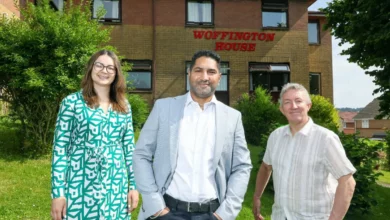
Chief executive Mike Hazell, who took the helm in 2024, has driven the focused strategy. The company is now on track to meet its 2030 targets of at least £100 million in annual underlying profit before tax and leverage below two times. New credit facilities have been secured, maturing in January 2031, giving the group breathing room.
The Ageas Partnership: A Strategic Pivot
The most significant move has been the sale of Saga’s insurance underwriting arm, Acromas Insurance Company Limited, to the Brussels-based insurer Ageas. Completed on July 1, 2025, the transaction raised a large amount of cash, which Saga used to pay down debt. More importantly, it removed the capital-intensive and difficult business of judging risk from Saga’s operations, reducing overall complexity. Saga can now focus on what it does best: the customer-facing side of insurance, including selling policies and managing complaints.
This strategic repositioning is cemented by a 20-year affinity partnership with Ageas for motor and home insurance. Motor new business went live on December 15, 2025, with home insurance following in the first quarter of 2026. Under the deal, Ageas handles underwriting, pricing and claims, while Saga retains brand control and earns commission. The arrangement transforms Saga into a “capital-light” business, insulating it from underwriting volatility. Activist investor Elliott Management, which took a 5.14% stake in July 2019, is widely seen as having put pressure on management to improve returns and explore asset sales, contributing to the restructuring.
Travel Resurgence and Financial Outlook
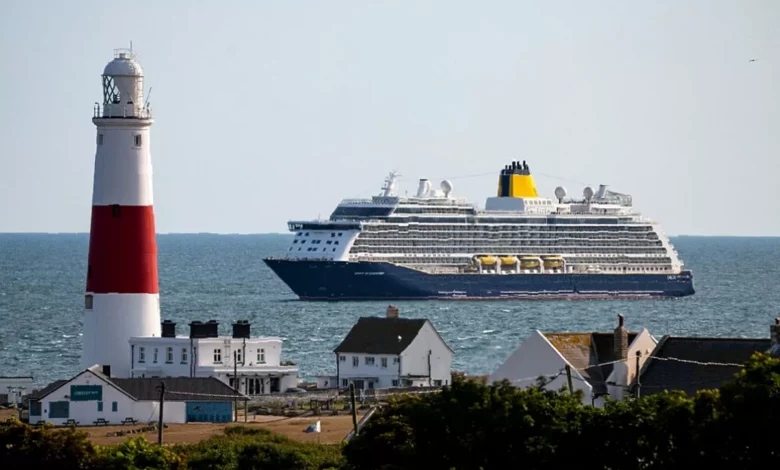
Alongside the insurance overhaul, Saga has rebuilt its travel business, capitalising on a booming sector where consumers prioritise experiences over goods. Ocean cruises have been a particular highlight: load factors reached 93%, and per diem revenue rose 10% to £394. River cruising has also performed well, boosted by the launch of the “Spirit of the Moselle”. Saga has unified its cruise and holidays leadership, boosting efficiency and customer focus. Forward bookings for both ocean and river cruises remain robust, providing strong revenue security.
The travel division’s underlying profit before tax rose 37% to £87.2 million on revenue growth of 11%. Group underlying revenue reached £654.6 million, an 11% increase year-on-year, and trading EBITDA rose 16% to £134.9 million. The company expects further profit and cash flow growth in 2026/27 as the Ageas partnership is fully embedded and leverage continues to fall.
Saga’s exposure to geopolitical risk is minimal: only a tiny fraction of its holidays involve the Middle East and Mediterranean, and those are limited to the relatively safe destinations of Cyprus, Egypt and Turkey. Near-term foreign exchange and fuel risks are fully hedged.
The share price has more than tripled in the past year, trading above its 50-day and 200-day moving averages and outperforming the FTSE 250 over one, three and six months. Valuation remains reasonable at 16.2 times 2027 earnings. Analyst ratings are mixed: some recommend “Buy” with a price target of £285, while an AI analyst rates Saga as “Neutral”, citing strong technicals and a positive earnings update offset by structurally weak profitability and high leverage. The original article advising on the stock suggested going long at the current price of 627p, with a stop loss at 400p, implying a total downside of £908.