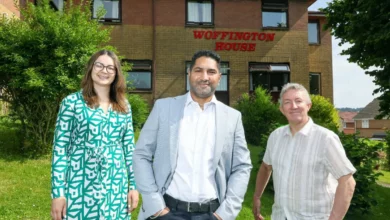
The chairman of South East Water has admitted the company failed in its most fundamental duty, telling MPs it was “absolutely untenable” that customers had been left without a reliable water supply after a series of major outages.
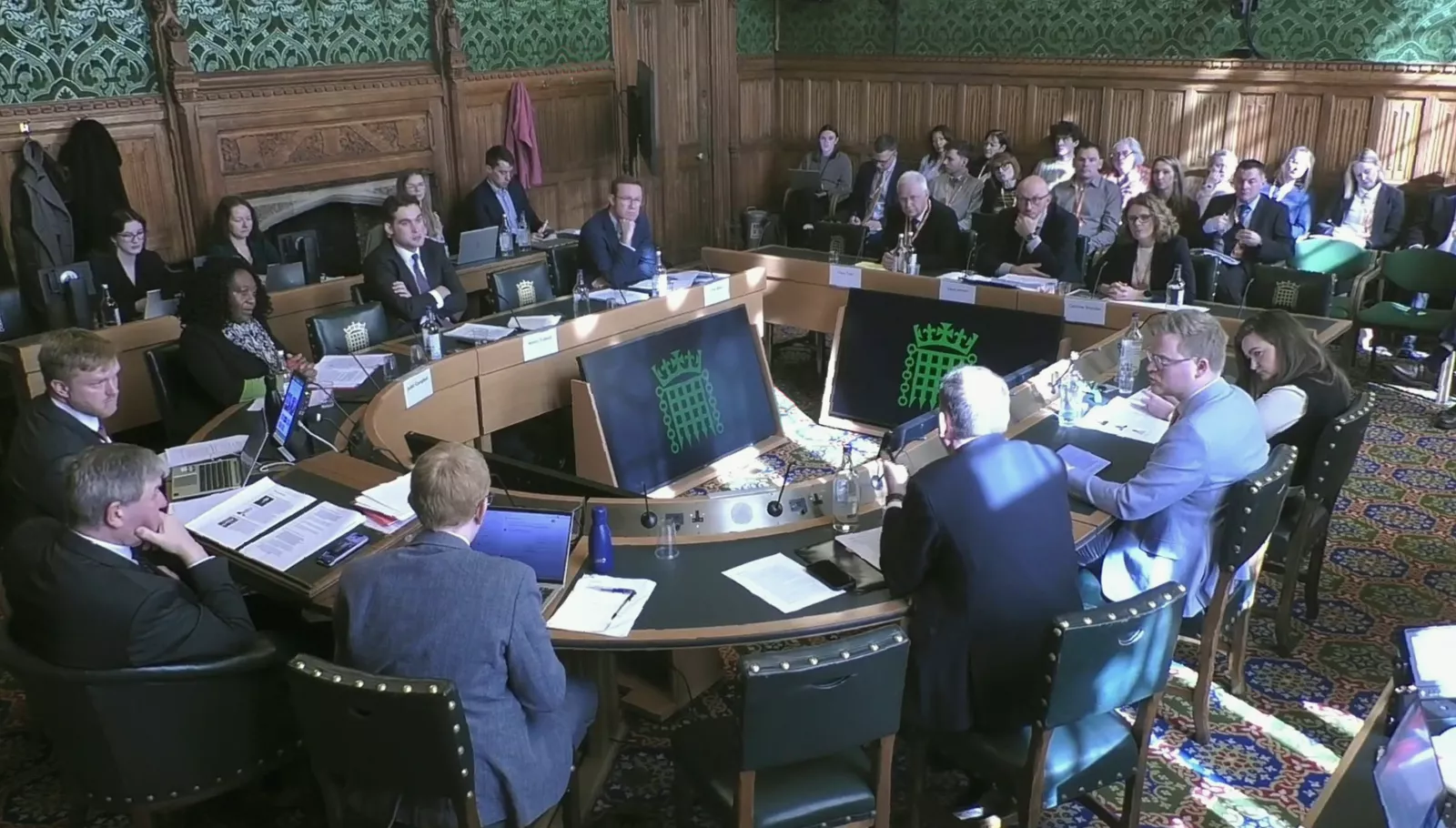
Chris Train’s admission came as he and chief executive David Hinton faced intense scrutiny from the Parliamentary Environment, Food and Rural Affairs Committee over the company’s handling of repeated supply collapses across Kent and Sussex, which left tens of thousands of properties dry.
The outages: from chemical contamination to storm chaos
The committee heard details of two severe recent incidents. The first was a near two-week crisis in November and December last year that affected around 24,000 properties in and around Tunbridge Wells. The cause, according to the company’s own accounts and subsequent investigations, was a major failure at the Pembury water treatment works, where a contaminated or “bad” batch of coagulant chemicals disrupted the entire treatment process. The disruption was severe and prolonged, with a partial restoration followed by recontamination, leading to a boil-water notice.
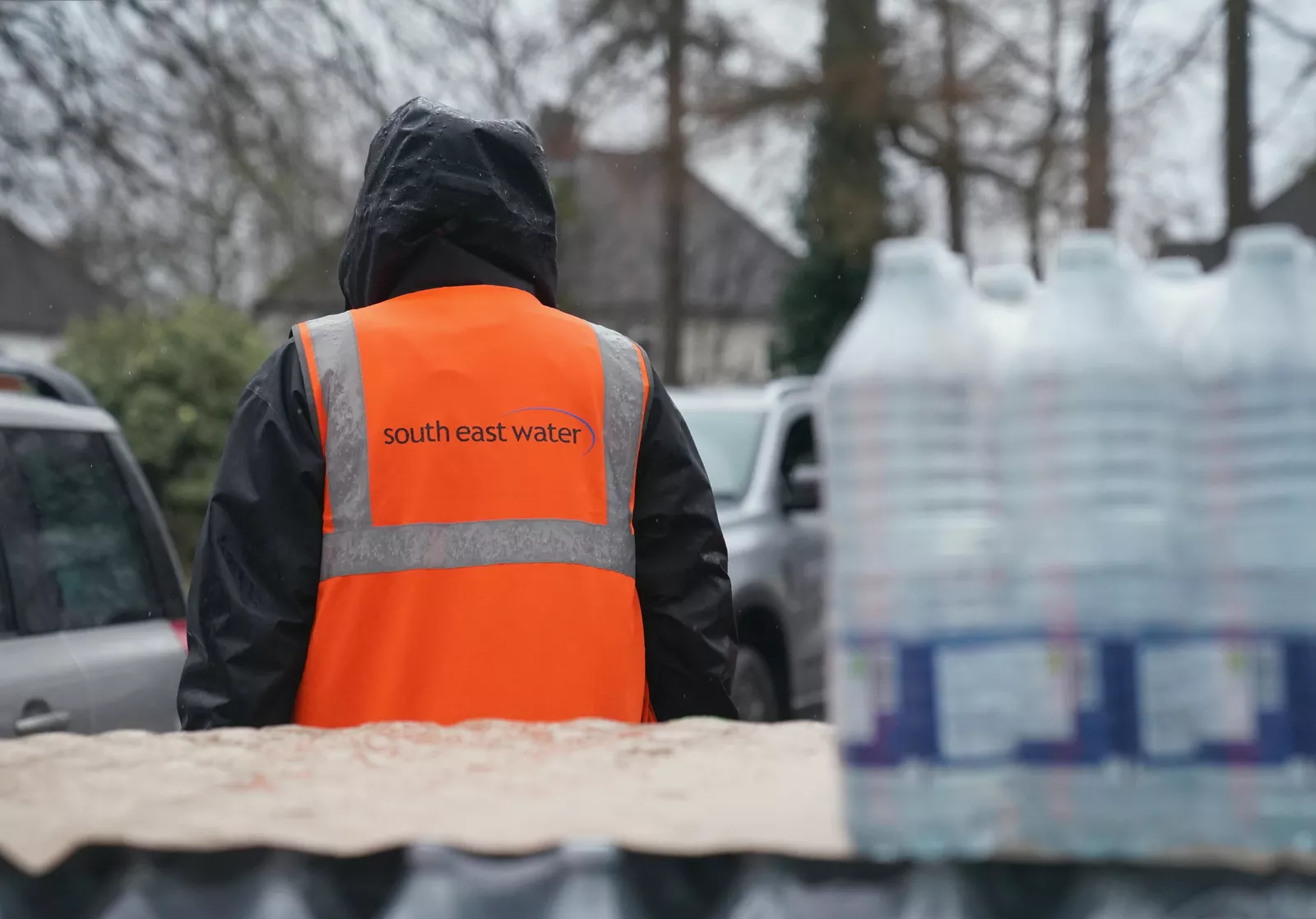
Then, in January this year, thousands more properties across Kent and Sussex saw supplies cut off for days. South East Water initially pointed to Storm Goretti, which caused burst pipes and power cuts. The situation was worsened by subsequent freeze-thaw conditions that led to further bursts on water mains, resulting in over 30,000 homes losing supply intermittently. The impact on daily life was stark: customers were left without tap water, unable to shower, bathe, or flush toilets, and a number of schools were forced to close.
Systemic failure and a £22 million reckoning
These incidents were not isolated. They fit a pattern of failure that has now drawn a record proposed penalty from the industry regulator. In March, Ofwat announced plans to fine South East Water £22 million for supply failures between 2020 and 2023 that impacted more than 286,000 people.
The regulator’s investigation was damning. It found the company “lacked ownership” for fixing the root causes of supply failures and did not maintain important infrastructure. Crucially, Ofwat concluded South East Water had not built sufficient resilience into its supply system to minimise incidents or plan for periods of high demand, making failure during difficult periods more likely.
The regulator’s scrutiny is ongoing. In January, Ofwat opened a new investigation into the company’s customer service and support during supply interruptions—the first such probe under a customer-focused licence condition. This is separate from an existing investigation into the firm’s supply resilience. The Drinking Water Inspectorate has also launched its own investigations into the Pembury works incident.
Investment shortfall and financial priorities
MPs probed the underlying reasons for this fragility, raising critical questions about where the company’s money has gone. Analysis has shown that in the two years to March 2022, South East Water spent £232 million on dividends and debt interest, which exceeded the £179.8 million it spent on upgrading its infrastructure in the same period. A separate report from December last year stated that between 2020 and 2022, the company paid out £156 million in dividends and £72.8 million in interest, again surpassing its infrastructure spend.
This is against a backdrop of a £1.3 billion debt pile. The company has, however, received significant cash injections from its owners—a consortium of foreign infrastructure investors including Australia’s Utilities Trust of Australia and a Canadian pension group. Shareholders put in £75 million in December 2024 and a further £200 million in June 2025.
Financially, the company remains profitable. For the six months to 30 September 2025, it reported a profit before tax of £18.2 million, a sharp rise from £2.6 million in the same period the previous year, with revenue up to £182.8 million.
Leadership under fire but holding firm
Faced with this record, MPs demanded accountability from the top. Committee chair Alistair Carmichael asked Chris Train to score his team’s performance out of ten, arguing customers deserved that clarity. Mr Train refused, calling the situation “complex,” but reiterated: “We accept that we failed in our primary duty.”
Chief executive David Hinton, who earns a £400,000 salary, admitted he “got it wrong,” particularly on customer communication. He acknowledged failures in spotting infrastructure issues early, poor routine maintenance, and a “reactive culture.” He has surrendered any bonus the board may have awarded him this year. Executive pay has been substantial; between 2020/21 and 2024/25, two executive directors earned between £0.77 million and £1.08 million annually in salaries, bonuses, and pensions.
Despite the admissions of failure and widespread criticism from customers, the Prime Minister, and shareholders, the board is standing by its leadership. Pressed repeatedly on why no one had lost their job, Mr Train said the board had “given its commitment and its backing to Dave and the executive team.” He added the firm was “bolstering” the team with external hires. This defence left some MPs unconvinced. Labour’s Jenny Ridell-Carpenter told the executives: “We might be asking the right questions but you’re coming up with the wrong answers.”
The company now operates under an increased investment allowance from Ofwat, permitted to spend £1.4 billion in the 2025-30 period. Its long-term Water Resources Management Plan outlines a 50-year strategy involving new reservoirs and pipelines. Yet, with leakage currently at double its target level and a plan to only halve it by 2075, the path to restoring both water supply and customer confidence appears long and fraught.