The escalating conflict between the United States, Israel, and Iran has sent immediate and severe shockwaves through the global economy, with the UK facing a direct hit to household budgets, financial markets, and the nation’s battle against inflation.
Oil prices, the most sensitive barometer of Middle Eastern instability, have surged past $100 a barrel for the first time since 2022. The catalyst for the spike was a US and Israeli strike on Iran and Tehran’s retaliatory actions, which have caused significant disruption in the Strait of Hormuz, a vital waterway for global oil shipments. Reports indicate a near-total temporary pause in traffic, forcing shipping companies to suspend operations. At one point, Brent crude futures rocketed by up to 13%, trading near $106 per barrel, with analysts warning a sustained closure could see prices reach $150.
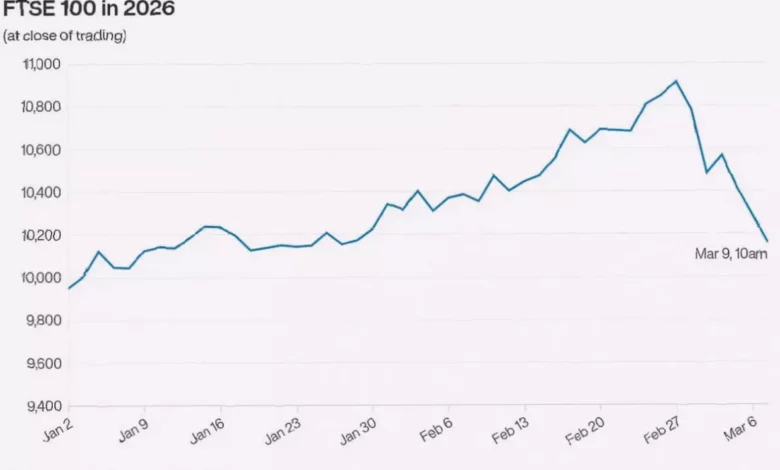
The impact was instantly felt in London, where the FTSE 100 Index fell nearly 2% soon after opening as markets priced in an acute oil supply crunch.
The Cost at the Pump and in the Home
For British motorists, the consequences are already materialising. Since the conflict began on 28 February, average petrol prices have risen by 5p per litre to 137.5p, with diesel up 9p to 151p. Projections suggest that if oil prices remain at current highs, unleaded could hit 140p and diesel 160p within a week, with catastrophic scenarios pointing to £1.90 per litre if oil reaches $150 a barrel.

While the energy price cap will protect most households from immediate bill shocks, rising oil prices will feed through to the next cap adjustment in July. Furthermore, the UK’s reliance on imported natural gas leaves it particularly vulnerable; wholesale gas prices in Britain have also surged. This renewed energy price inflation makes it highly unlikely the Bank of England will cut interest rates this month, as many had expected. Financial markets have now swung to predicting that rates will be held steady for the rest of the year, with a potential rise next summer—a stark reversal from recent forecasts. In response, UK mortgage lenders have already begun increasing interest rates on home loans.
Political Response and International Coordination
Prime Minister Sir Keir Starmer acknowledged the growing public anxiety, stating that “the longer this goes on, the more likely the potential for an impact on our economy, impact into the lives and households of everybody and every business.” Speaking at a London community centre, he insisted the UK economy had “more resilience” than during the 2022 energy shock triggered by the Ukraine invasion, but conceded the government’s job was to “get ahead of that, to look around the corner, assess the risk.”
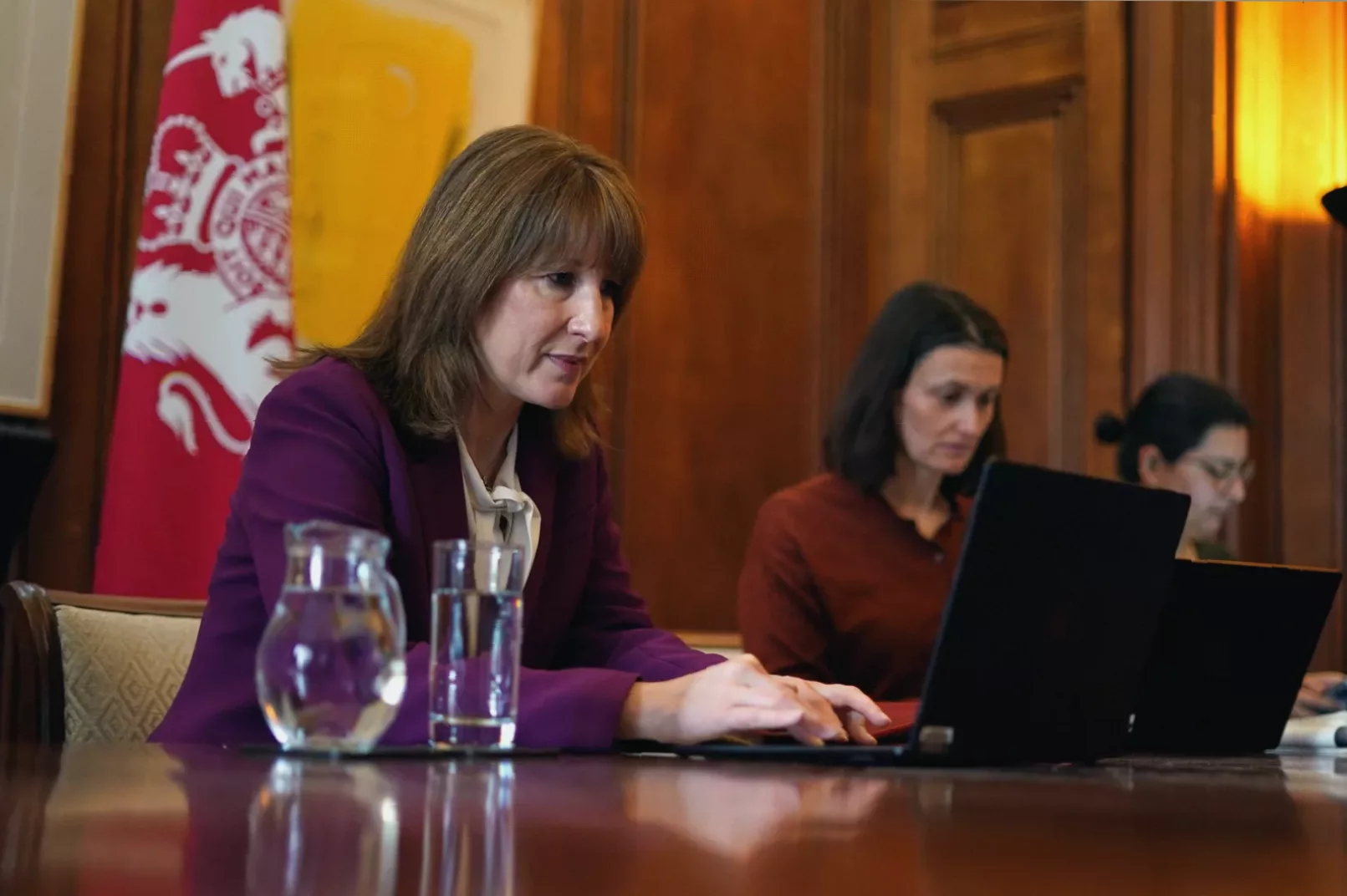
Chancellor Rachel Reeves participated in an emergency virtual meeting of G7 finance ministers to discuss a coordinated response. A subsequent joint statement revealed they had discussed a possible joint release of petroleum from strategic reserves to calm markets. While no immediate action was announced, the G7 nations—the UK, Canada, France, Germany, Italy, Japan, and the US—pledged to “continue to closely monitor the situation” and “stand ready to take necessary measures, including to support global supply of energy such as stockpile release.”
On the domestic political front, Conservative leader Kemi Badenoch said she would bring a vote to Parliament aimed at keeping fuel duty “as low as possible,” criticising Chancellor Reeves for not using the Spring Statement to help families. Despite calls from campaigners, the government has not changed its plan to end the longstanding 5p per litre fuel duty cut, which is currently due to expire in September 2026.
Geopolitical Shifts and Military Posture
The geopolitical landscape was fundamentally altered over the weekend with the appointment of Mojtaba Khamenei as Iran’s new supreme leader, succeeding his father, Ayatollah Ali Khamenei, who was killed in an Israeli strike. This marks the first father-to-son succession since the 1979 revolution. The appointment of Mojtaba Khamenei, a hardliner about whom little is publicly known, is seen as a direct challenge to US President Donald Trump, who had previously called him an “unacceptable” choice. President Trump has since stated the new leader “is not going to last long” without his approval.
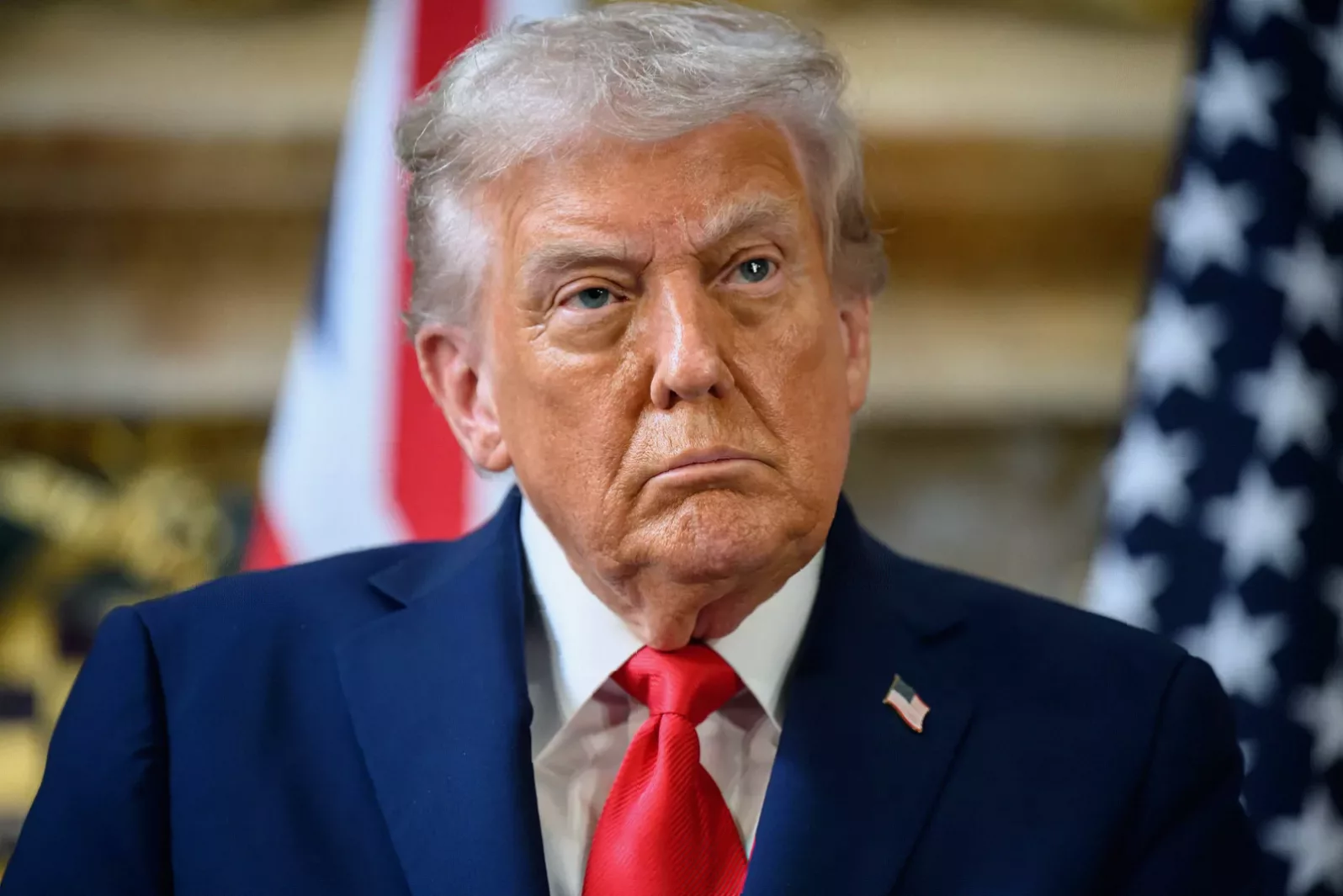
President Trump has sought to downplay the global economic turmoil, insisting the oil price surge is a “very small price to pay” for global safety and that prices will “drop rapidly when the destruction of the Iran nuclear threat is over.” He has also repeated criticisms of Prime Minister Starmer, initially lashing out at the UK’s delayed permission for the use of British bases in “defensive” US actions. Despite this public friction, Sir Keir stated the two allies were “working together every single day” and confirmed a productive phone call with President Trump over the weekend regarding military co-operation.
The UK has significantly increased its military readiness. While no decision has been taken, the readiness time for the aircraft carrier HMS Prince of Wales has been halved to just five days for a potential deployment to the region. This follows a bolstering of UK forces in the Eastern Mediterranean since January, including the deployment of fighter jets, air defence systems, and additional personnel to Cyprus.
The conflict has also strained diplomatic ceremonies. Liberal Democrat leader Sir Ed Davey has urged the Prime Minister to advise King Charles to cancel his planned state visit to the US in April, citing President Trump’s “illegal war” and his repeated insults towards the UK and Sir Keir. Sir Ed had previously boycotted a state banquet for President Trump in protest at the US stance on the war in Gaza.