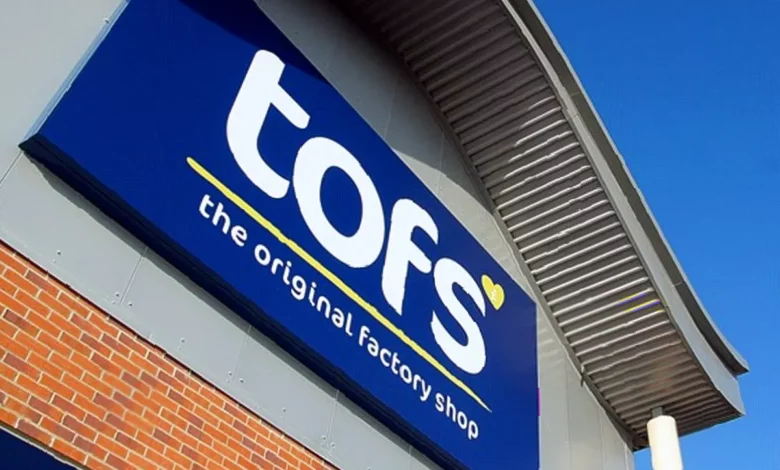
The Original Factory Shop has closed its doors for the final time, with all 137 of its stores and its Bolton head office shuttered permanently after the retailer fell into administration.
The closure, confirmed by administrators Interpath on Thursday, marks the end of the high street discount chain, which was established in 1969 and employed 1,180 people. Interpath stated that the vast majority of staff have been made redundant, with only a small number retained to assist with winding up the business. A specialist team is supporting impacted employees with claims to the government’s Redundancy Payments Service for statutory entitlements like unpaid wages and redundancy pay.
Modella’s Administration and a String of Struggles
The Original Factory Shop was placed into administration by its owner, the private equity firm Modella Capital, which has attributed the collapse directly to a harsh trading climate. A spokesperson for Modella claimed “sluggish consumer confidence and elevated taxes” and “adverse government fiscal policies” were to blame, forcing British businesses to “suffer”.
This is not an isolated incident for Modella, which has carved a niche acquiring medium-sized retailers in distress. The firm bought The Original Factory Shop from Duke Street Capital in February 2025 and, following a Company Voluntary Arrangement (CVA) that same April to renegotiate rents, has now wound it up. In an almost identical pattern, Modella acquired 156 stores of Claire’s Accessories’ UK operations out of administration in late September 2025, only to place that business into administration as well. The firm is also reportedly considering a sale of Wynsors World of Shoes, which it purchased just four months ago.
Modella’s strategy appears to be one of rapid, hard-nosed restructuring. Its portfolio also includes Hobbycraft, acquired in August 2024, and the 480-store TG Jones chain, which it bought from WH Smith for £76 million in June 2025 and promptly rebranded. That venture has also struggled, with Modella reportedly conceding that sales have been hampered by the poor recognition of the new TG Jones name and that it has drafted in emergency advisors for a sweeping restructuring.
The Economic Squeeze Behind the Collapse
The downfall of The Original Factory Shop exemplifies the intense pressures on the UK high street. The retailer had been in financial difficulty for some time, posting a £5.6 million pre-tax loss on sales of £117.5 million in the year to March 2024. This performance came against a backdrop of high inflation, which should have nominally boosted sales figures, indicating a significant drop in volume.
Modella’s blame on government policy finds some echo in broader analysis. The Organisation for Economic Co-operation and Development (OECD) has warned that the UK government’s “fiscal consolidation” – higher taxes and reduced spending – acts as a “headwind” to the economy, weighing on household disposable income and slowing consumption. This has contributed to persistently sluggish consumer confidence, with households prioritising essentials over discretionary spending.
The UK retail sector has been described as in a state of “permacrisis” since 2008, battered by the shift to online shopping – which accounted for 28.3% of all sales by December 2025 – changing consumer habits, and rising costs. In 2024, a third of all retail job losses were attributed directly to business collapses.
For The Original Factory Shop, these macro challenges were compounded by specific operational issues, including a reported problematic shift to a new logistics provider. The company had also undergone a significant restructuring just months before administration, moving its head office and distribution centre from Burnley to Bolton.
According to its most recent balance sheet, Modella Capital held £12.8 million in net assets in 2024. The final act for The Original Factory Shop, a business that began over half a century ago, was a phased closure of its store portfolio implemented by administrators as they move to formally wind up the company.