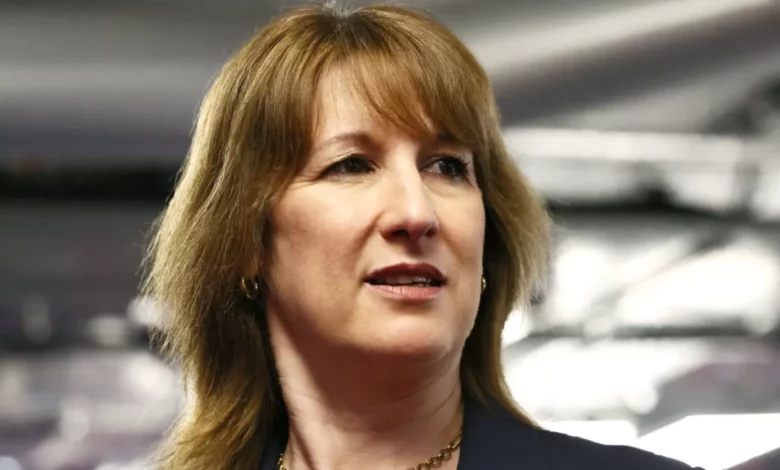
Government borrowing fell by £20 billion last year, handing Chancellor Rachel Reeves an unexpected boost as she navigates a volatile economic landscape. The Office for National Statistics (ONS) estimated public sector borrowing dropped £19.8 billion, or 13.1%, to £132 billion in the financial year ending March 2026, a figure £700 million below the forecast from the fiscal watchdog, the Office for Budget Responsibility (OBR).
Tom Davies, a senior statistician at the ONS, noted that borrowing was broadly in line with the OBR’s forecast and, as a proportion of gross domestic product, fell to 4.3%—its lowest level since 2019-20, just prior to the pandemic. “Although spending has risen this financial year, this was more than offset by increased receipts,” he said. The current budget deficit, which funds day-to-day activities, also fell sharply by £25.2 billion to £50.9 billion.
The tax hike driving the improvement
A significant driver of the improved figures was a substantial rise in tax receipts, stemming largely from last April’s hike in employer National Insurance contributions (NICs). Compulsory social contributions, which include NICs, increased by £33.0 billion to £206.8 billion for the year, a 19% jump. Overall, combined central government tax and NICs receipts rose by £87.7 billion compared to the previous financial year.
The OBR has estimated that the NICs changes, designed to raise £25 billion a year, add around 2% to employers’ payroll costs, with firms expected to pass on 60% of these higher costs to workers and consumers. This policy was part of a wider package of tax rises totalling £26 billion announced in the Autumn Budget 2025, which aimed to increase fiscal headroom and fund priorities such as abolishing the two-child limit on benefits.
Despite the annual improvement, borrowing in March alone was £12.6 billion, a £1.4 billion year-on-year drop but higher than most economists had forecast. The favourable annual figure was also aided by revisions to earlier months, with borrowing estimates for the first 11 months of the year reduced by £6.4 billion.
Mounting debt and the shadow of conflict
Beneath the headline improvement, underlying pressures persist. Public sector net debt stood at £2,910.8 billion at the end of March, equivalent to 93.8% of GDP—a level comparable to the early 1960s and considered high by historical peacetime standards. Debt interest costs fell in March but rose over the full year to £97.6 billion, the second-highest annual level on record. The OBR notes that debt interest spending has been higher than at any time since the 1980s, driven by inflation and interest rates.
These persistent costs are now set against a deeply uncertain geopolitical backdrop. Serious concerns are mounting that the conflict in the Middle East, specifically the Iran war, will send government borrowing surging in the current financial year and decimate the Chancellor’s financial headroom.
The Resolution Foundation think tank has warned that a prolonged conflict could lead to a £16 billion surge in government borrowing by 2029-30. It stated that Chancellor Reeves’s £23.6 billion of headroom against her fiscal rules, established at the November 2025 Budget, is at risk of being cut by nearly three-quarters. The conflict’s toll on the economy could lead to rising inflation and possible job cuts, further straining the public finances.
Economic forecasters are revising their outlooks accordingly. Pantheon Macroeconomics has stated the current year will prove more “daunting” for Ms Reeves due to the Iran war, revising down its 2026 UK growth forecast and raising its inflation forecast to 3.3%. Elliott Jordan-Doak of Pantheon estimated that the government will still need to pay around £12 billion more in interest repayments in 2026-27 than expected at the time of the spring statement.
Capital Economics has issued a starker warning, predicting that the energy price shock from the conflict will cause borrowing to overshoot the OBR’s forecast by £29 billion in the 2026-27 fiscal year and by approximately £13 billion in subsequent years. The inflationary impact is already appearing in official data: inflation rose to 3.3% in March 2026, the first ONS figures to reflect elevated fuel costs since the Strait of Hormuz was closed. Petrol prices have increased by 25p per litre and diesel by 49p per litre since the conflict began.
This environment has also pushed up UK government borrowing costs, with 10-year gilt yields reaching the highest among OECD rich countries—a premium attributed to “sticky” inflation and investor concerns over the UK’s vulnerability to global market sentiment. James Murray, the Chief Secretary to the Treasury, said: “In a volatile world the decisions we are taking are the right ones to keep costs down, take back our energy security and cut borrowing and debt.”