In a moment of profound personal and professional triumph, Céline Dion has announced she will return to the stage in Paris this autumn, following a gruelling battle with the rare neurological condition Stiff Person Syndrome. The singer described the planned comeback as “the best gift of my life” during an appearance on French television station France 2.
The series of ten concerts will take place at the Paris La Défense Arena, spread across five weeks from September 12 to October 14. The announcement, simultaneously advertised through a light show on the Eiffel Tower, followed a teaser campaign in the French capital that had sparked intense speculation. Pre-sale tickets will be available from April 7, with general sale beginning on April 10. These shows mark the 58-year-old artist’s first major public performances since she stepped back from touring in 2022 after revealing her diagnosis.
A debilitating condition
Stiff Person Syndrome (SPS) is a rare autoimmune neurological disorder, affecting approximately one in a million people, with women twice as likely to be diagnosed as men. For Dion, whose voice and physical performance are her instruments, the condition has been particularly devastating. Her sister, Claudette Dion, has spoken publicly about the singer’s struggle, stating that she “doesn’t have control over her muscles.”
The disorder is characterised by progressive muscle stiffness, primarily in the trunk and limbs, and excruciating, unpredictable spasms. These symptoms are frequently triggered by external stimuli such as sudden noise, touch, or emotional distress, making the outside world a minefield. This heightened sensitivity can lead to isolation, as sufferers may become afraid to leave home for fear of triggering an episode. Over time, the condition can lead to hunched or abnormal postures and severe disability, with patients often at high risk of falls as their reflexes are compromised.
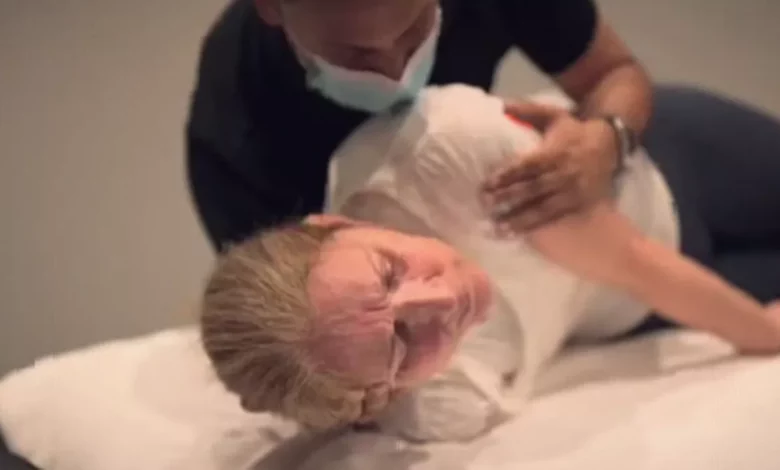
For a performer like Dion, the impact is direct and career-threatening. The syndrome can cause vocal cord spasms and full-body rigidity, directly interfering with the act of singing. In her documentary “I Am: Céline Dion,” released in June 2024, the singer shared a harrowing video of herself enduring a painful seizure, offering a raw look at the reality of the condition. The film has been credited with significantly raising global awareness of SPS.
Diagnosis and the search for a cause
Reaching a diagnosis is itself a major hurdle. Due to its rarity, SPS is often misdiagnosed as other neurological conditions such as Parkinson’s disease, multiple sclerosis, or even anxiety disorders. A definitive diagnosis typically involves blood tests that look for elevated levels of antibodies against glutamic acid decarboxylase (GAD), though some patients test negative.
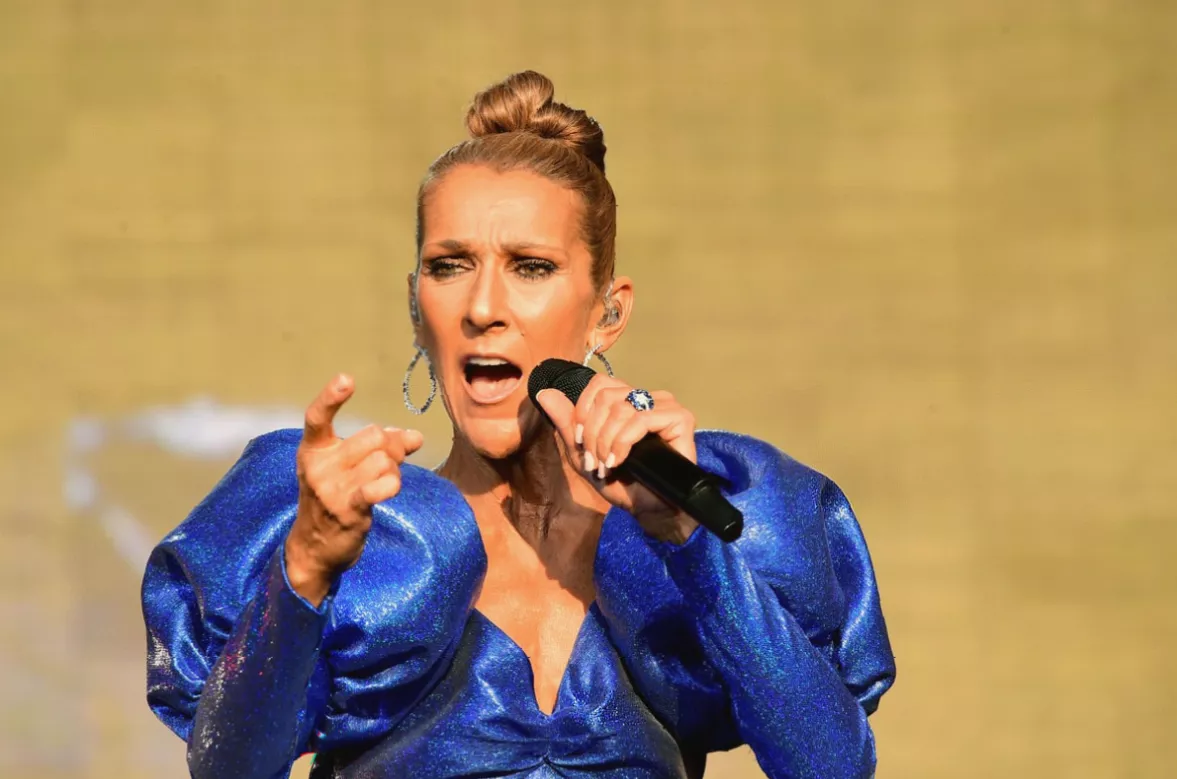
While scientists are not certain of the exact cause, medical research suggests the disorder stems from a faulty autoimmune response in the brain and spinal cord. The body’s immune system is thought to mistakenly produce antibodies that attack nerve cells responsible for producing gamma-aminobutyric acid (GABA), a crucial neurotransmitter that regulates muscle movement. Without proper GABA function, muscles enter a state of constant tension.
Managing an incurable illness
There is currently no cure for Stiff Person Syndrome. Treatment focuses on managing symptoms and improving quality of life. Standard care involves a combination of medications including muscle relaxants like diazepam and baclofen, sedatives, and steroids to alleviate stiffness and spasms. To target the underlying autoimmune dysfunction, doctors often prescribe immunotherapies such as intravenous immunoglobulin (IVIg) or plasmapheresis.
Beyond pharmaceuticals, physical and occupational therapy are crucial for maintaining mobility and adapting daily activities. Some patients also explore nutritional support, including anti-inflammatory diets and supplements like Vitamin D and magnesium. Research is ongoing, offering new hope through emerging treatments. These include stem cell transplantation, which has shown potential for inducing long-term remission, and novel biologic drugs targeting B cells and cytokines. Early-stage clinical trials are also investigating the use of CAR T-cell therapy for the condition.
For those in the UK seeking support, organisations like The Stiff Person Syndrome Support Group and Charity provide information and links for patients and families. The Brain Charity in Liverpool also offers practical help and emotional support for people living with SPS and other neurological conditions across the UK.
Through her documentary and now her planned return to the stage, Céline Dion has transformed her private struggle into a public source of resilience. Her determination to perform again, encapsulated in her own words, “I’m not dead,” stands as a powerful testament to her fight against the debilitating syndrome that forced her into retreat.