One of the world’s largest pharmaceutical companies has declared it will only restart hundreds of millions of pounds in paused UK investment if the government agrees to significant and regular increases to the prices the NHS pays for medicines, and ultimately scraps a costly industry rebate scheme.
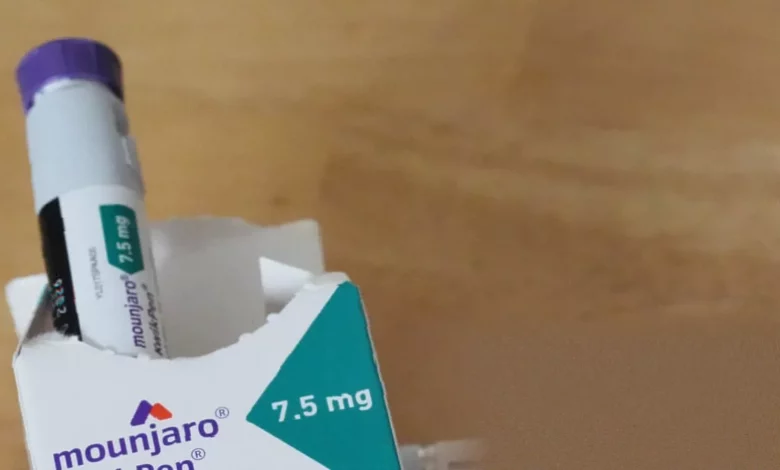
The announcement from US drugmaker Eli Lilly, the manufacturer of the weight-loss injection Mounjaro, comes amid a concerted push from the industry to reshape Britain’s drug pricing landscape. It follows the company’s decision last year to halt its plans for a £279 million biotech incubator in the UK, a move it attributed to a lack of clarity in the life sciences environment and chronically low NHS spending on new drugs.
A Broader Investment Pause
Eli Lilly was not alone in hitting the brakes. Its pause was part of a wider retreat, with other pharmaceutical giants like AstraZeneca and Merck also scaling back or cancelling UK investments due to concerns over the financial viability of research and development in the country. Together, companies ditched or paused almost £25bn in planned investments last year.
The company’s senior leadership has been unequivocal about the reasons. Christopher Stokes, president and general manager of Eli Lilly UK, Ireland, and Northern Europe, has described the UK as an “international outlier in life sciences competitiveness,” stating that “bolder action” was needed. Patrik Jonsson, the company’s president of international business, echoed this, stating medicine prices in the UK had been “far too low for far too long.”
The Crux of the Negotiations: Pricing and Rebates
Central to the current talks between Eli Lilly and UK ministers are two interlinked issues: the baseline price the NHS will pay for new drugs, and the controversial “rebate” scheme that can claw back a significant portion of a company’s revenue.
The price benchmark is set by the National Institute for Health and Care Excellence (NICE), which uses a cost-effectiveness threshold. Historically, this has been between £20,000 and £30,000 per Quality-Adjusted Life Year (QALY) gained. As part of a major UK-US drug pricing deal, this threshold is set to rise to £25,000-£35,000 from April 2026—the first increase in 27 years.
However, companies argue this is undermined by the Voluntary Scheme for Branded Medicines Pricing, Access and Growth (VPAG). This agreement between the government, NHS England, and the industry caps total NHS spending on branded drugs. If spending exceeds the agreed cap, pharmaceutical companies must pay back a percentage of their revenue from sales to the government—a rebate.
Large pharmaceutical firms have fiercely protested this scheme. The rebate rate for new medicines, which was 22.9% in 2025, is expected to fall to 14.5% in 2026 under the US-UK deal. Yet Patrik Jonsson of Eli Lilly argues these payments “should actually get down to zero” over time for the UK to be truly competitive. The Association of the British Pharmaceutical Industry (ABPI) has warned that high rebate rates risk significant losses in UK research and development investment.
The US-UK deal itself is a powerful driver of this change. Forged after pressure from former US President Donald Trump on international drug pricing, it commits the UK to increasing its net price for new medicines by 25% by 2035, while ensuring these higher prices are not eroded by rebates. In return, the US agreed to zero tariffs on UK pharmaceutical exports for at least three years. Campaigners have suggested the cost to the NHS could eventually reach £9bn a year, with experts warning of an additional £3bn burden by 2029, raising questions about funding.
Within these negotiations, Eli Lilly is also pushing for novel payment models for drugs like Mounjaro. Jonsson told the Financial Times the company was “very eager to look into more innovative agreements,” such as linking payments to outcomes like helping patients return to work. He cited data suggesting treating obesity reduces absenteeism, noting that 2.8 million people of working age are off work sick. With obesity costing the NHS over £11 billion annually, such outcome-based agreements are presented as a potential solution.
Mounjaro itself has seen dramatic market moves. While NHS patients are unaffected, Eli Lilly increased the private prescription price for the highest dose by 170% in September 2025, aligning UK costs with higher prices in the US and Europe. The drug, a dual-hormone agonist approved for weight management, is also expected to launch in a pill version later this year.
The Government’s Position
In response to the ongoing talks and Eli Lilly’s demands, a spokesperson for the Department of Health and Social Care said: “Everyone deserves access to the best and most innovative treatments, and our changes to medicine pricing will make sure thousands of NHS patients gain faster access to new treatments. We remain fully committed to delivering the UK-US pharmaceutical agreement, including the changes to the NICE cost-effectiveness threshold.”
For Eli Lilly, the resumption of its UK investment hinges entirely on these talks yielding a concrete plan. Jonsson stated that the company needed to see these high-level goals “turning into really a well-defined action plan with interventions and timelines,” warning that the new cost-effectiveness threshold “can’t be written in stone for another three decades.”