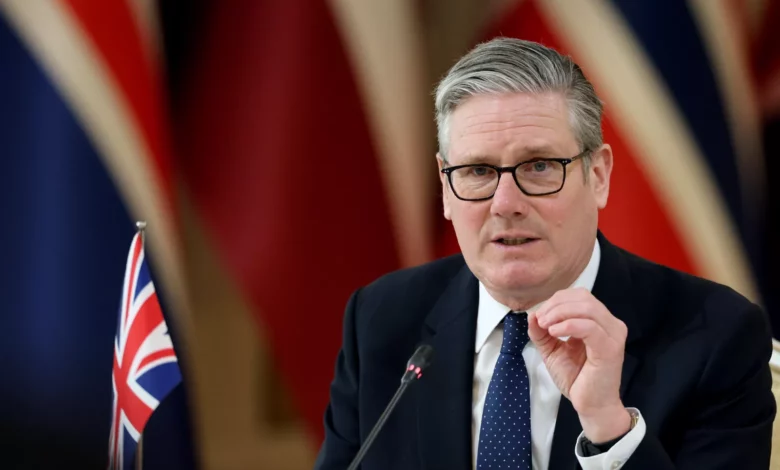
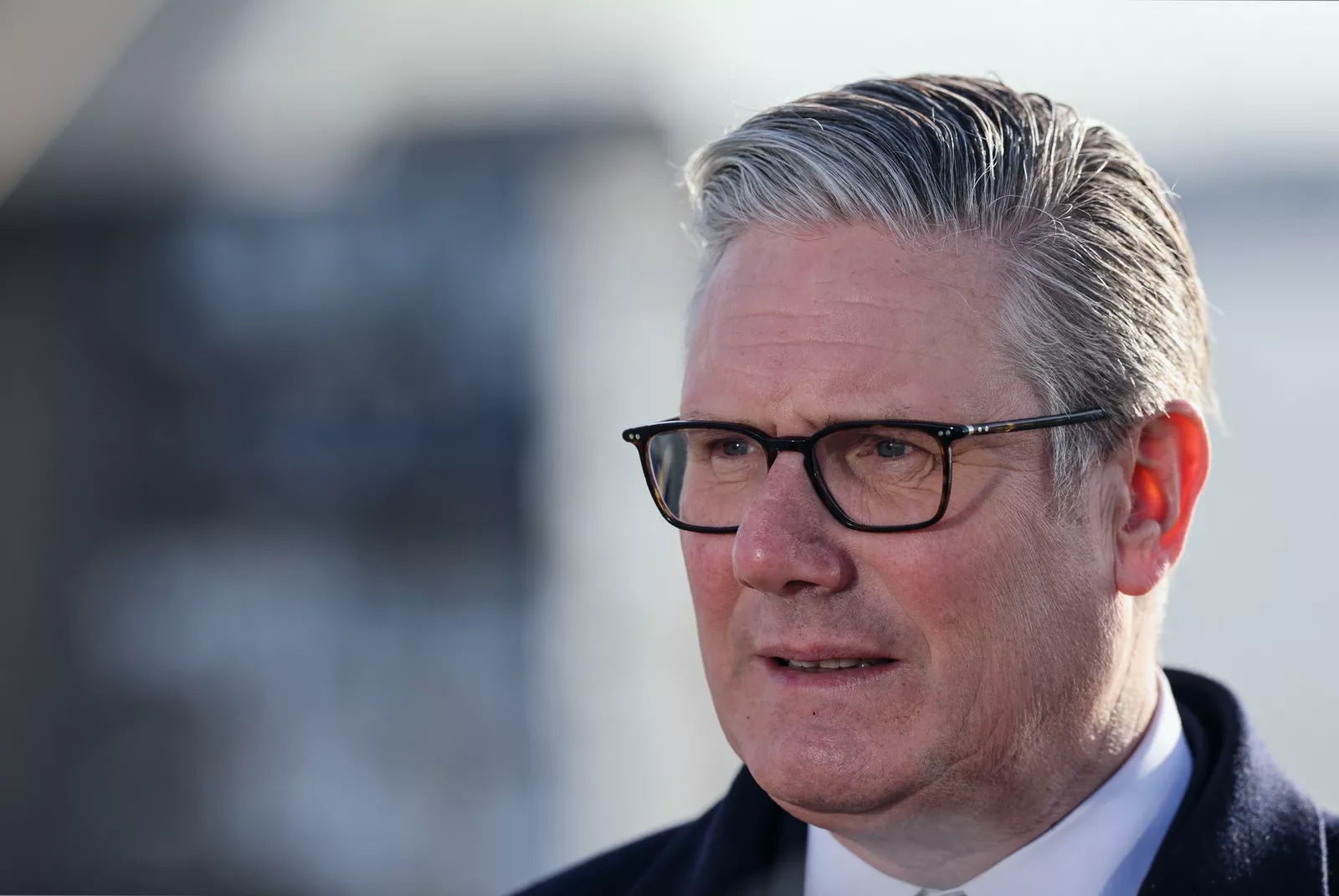
Sir Keir Starmer will meet the bosses of some of the world’s most powerful energy, shipping, and financial firms today, as a global economic crisis triggered by conflict with Iran deepens and US President Donald Trump openly considers a dramatic military escalation: seizing Iran’s crucial oil export terminal, Kharg Island.
Downing Street summit with industry leaders
The Prime Minister has convened the emergency meeting at Number 10 to hear directly from businesses grappling with the fallout from Iran’s ongoing blockade of the Strait of Hormuz. The discussions, also involving Chancellor Rachel Reeves and Energy Secretary Ed Miliband, will focus on how the government and private sector can work together in responding to the conflict.
Attending are senior representatives from energy giants BP and Shell, shipping conglomerate Maersk, maritime insurance market Lloyd’s of London, and banks HSBC and Goldman Sachs. The business leaders will also receive an update on the volatile regional situation from Major General Richard Cantrill, the UK’s Maritime Operations Commander. As Commander Operations for the Royal Navy, a role he assumed in 2024, Major General Cantrill oversees all Royal Navy and Royal Marine operations worldwide.
The meeting follows the Royal Navy’s announcement that it is preparing the transport ship RFA Lyme Bay to be fitted with minehunting drones. The vessel, undergoing upgrades in Gibraltar, will act as a “mothership” for autonomous underwater drones and crewless minehunting boats as part of the Navy’s “Hybrid Navy” strategy. This move is understood to be intended to provide ministers with options for helping to secure the Strait of Hormuz once the situation stabilises.
Trump’s threat to seize Kharg Island
The high-stakes meeting in London comes amidst alarming rhetoric from Washington. President Donald Trump has told the Financial Times he is considering a military operation to seize control of Kharg Island, stating it is among “a lot of options”.
“To be honest with you, my favourite thing is to take the oil in Iran but some stupid people back in the US say: ‘Why are you doing that?’ But they’re stupid people,” he said. He added: “Maybe we take Kharg Island, maybe we don’t.” However, Mr Trump acknowledged that doing so would require the US to remain in Iran “for a while,” and has claimed US forces have already “totally obliterated” military targets on the island.
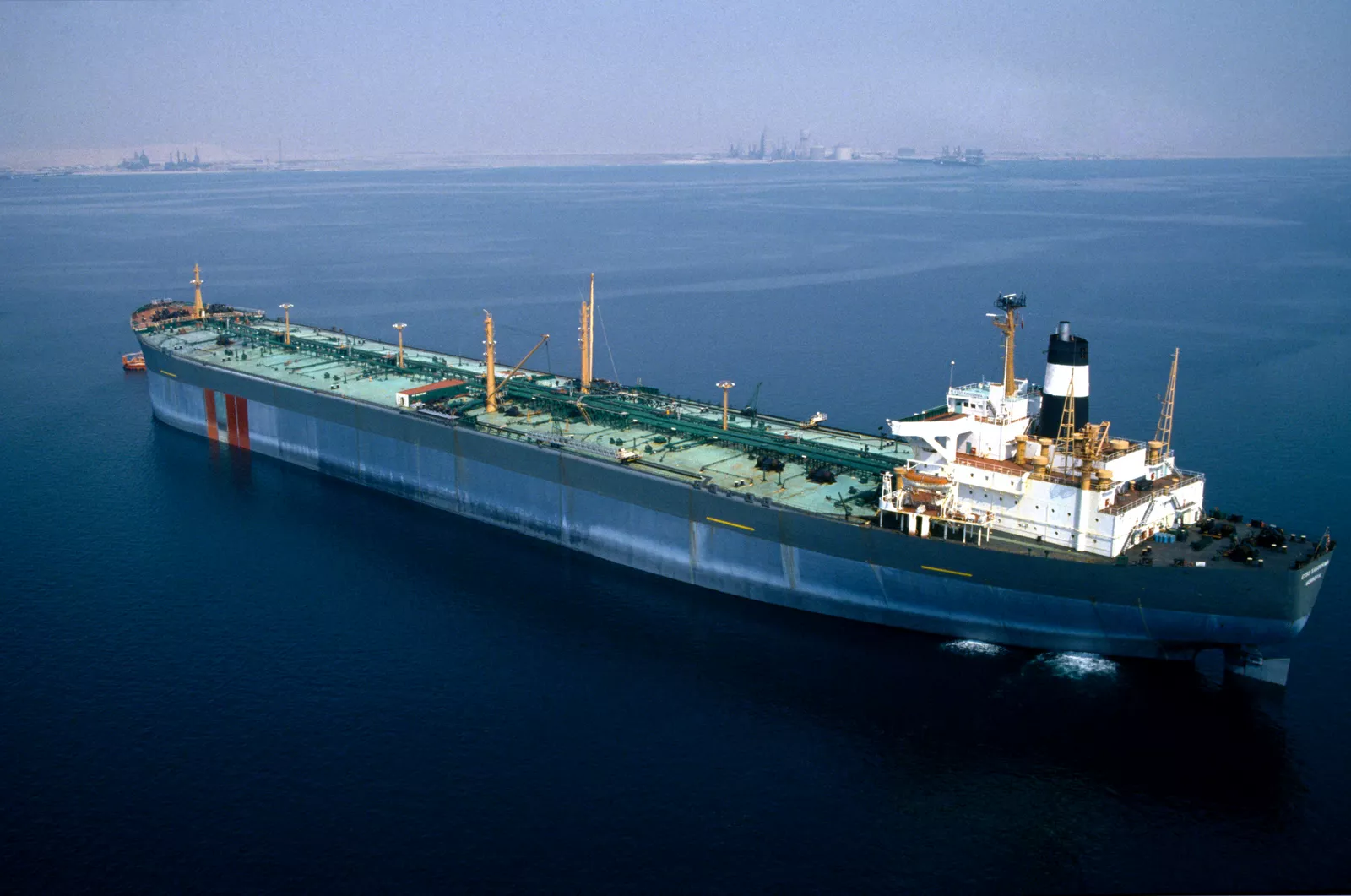
The significance of Kharg Island to global energy markets can scarcely be overstated. It is Iran’s primary oil export terminal, handling approximately 90% of its crude and condensate exports. Its deep-water jetties allow large tankers to dock—a necessity given the shallow coastline of much of Iran. The island also possesses substantial crude oil storage capacity, making it a historically strategic target, most notably during the “Tanker War” of the Iran-Iraq conflict.
Its location is intrinsically linked to the ongoing crisis in the Strait of Hormuz, the narrow chokepoint it overlooks. This waterway is a vital artery for global trade, through which about 20% of the world’s oil production flows—some 20 million barrels per day, with over 80% destined for Asian markets. Iran’s blockade of the strait has disrupted this crucial shipping lane not only for oil and gas, but also for other essential products like fertiliser.
Economic impacts hitting the UK
The combined effect of the blockade and escalating war rhetoric has sent shockwaves through the global economy, with Britain facing heightened risks of higher inflation and lower growth. Oil prices have spiked dramatically; the Brent crude benchmark surged more than 3% at one point to around $117 a barrel, reaching levels not seen since 2022. Analysts warn that in a prolonged blockade scenario, prices could climb to between $120 and $150 a barrel.
For UK consumers, the pain is already being felt at the petrol pump. Petrol and diesel prices have risen sharply, with the average price difference between the two fuels reaching a record high of 26p per litre, according to analysis by the RAC Foundation. The motoring research charity estimates that UK drivers have paid an additional £307 million for fuel since the conflict began on 28 February, due to these hikes.
The UK is particularly exposed to diesel price fluctuations because its refineries are more geared towards producing petrol, making the country more reliant on diesel imports. While most domestic energy users are protected by the price cap until the end of June, motorists and businesses are facing immediate pressure. The Bank of England has warned that even a short conflict could lead to sustained elevated energy prices and a raised inflation outlook for 2026.
Disruption to global oil supply has also prompted some developing countries to impose fuel usage restrictions, sparking concerns that shortages could spread. Ministers have generally played down the possibility of UK fuel shortages, with Education Secretary Bridget Phillipson advising drivers to fill up as normal.
In response to the growing economic threat, Chancellor Rachel Reeves and Energy Secretary Ed Miliband are expected to join a virtual meeting of G7 finance and energy ministers and central bank governors. Ms Reeves is likely to urge counterparts from the US, Germany, France, Italy, Canada, Japan, and the European Union to avoid unilateral trade measures that could threaten energy security and to cooperate on keeping energy and goods flowing.
The UK government, while coordinating closely with allies, has stated it will not be directly involved in US strikes against Iranian missile sites targeting shipping, and is not entering a wider conflict. The government has reiterated its commitment to the fundamental principle of freedom of navigation in international law, with G7 foreign ministers previously stating that Iran must re-establish free passage through the Strait of Hormuz.