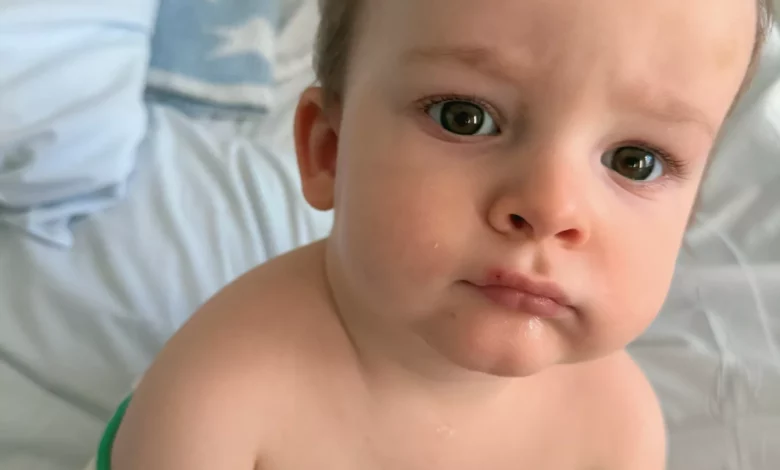
For one-year-old Ronnie from Merseyside, a simple stem cell transplant is the only thing standing between him and a cure for a rare and life-threatening blood disorder.
The toddler was diagnosed with severe aplastic anaemia just before his first birthday after being rushed to Alder Hey Children’s Hospital in Liverpool. His mother, Laura, had become concerned by severe bruising that appeared as he began to crawl, alongside nosebleeds and blood blisters in his mouth.
Doctors initially suspected leukaemia, but tests confirmed the far rarer aplastic anaemia. They found his bone marrow cellularity was at a critically low level of just 5%, a stark contrast to the expected 100% for a child his age. Aplastic anaemia is a serious condition where the bone marrow fails to produce enough new blood cells. This deficiency leads to a triad of problems: a lack of red blood cells causes fatigue and weakness; a shortage of white blood cells, known as neutropenia, leaves the body vulnerable to infection; and critically low platelet counts result in the bruising and bleeding that first alerted Ronnie’s family.
In the UK, it is estimated that only between 100 and 150 people are diagnosed with this ultra-rare disease each year, with around 30 to 40 of those being children. While it can be inherited, it is more commonly an acquired condition, often thought to occur when the immune system mistakenly attacks the bone marrow’s stem cells. If left untreated, it is fatal.
Ronnie’s only hope for a cure is a stem cell transplant, a procedure that would replace his damaged bone marrow with healthy stem cells from a donor. For children, this is considered the most effective treatment. While a quarter of children find a match within their own family, for the majority, like Ronnie, the search must extend to the wider population. In 2023, 93 such transplants were performed in the UK to treat severe aplastic anaemia, according to registry data.
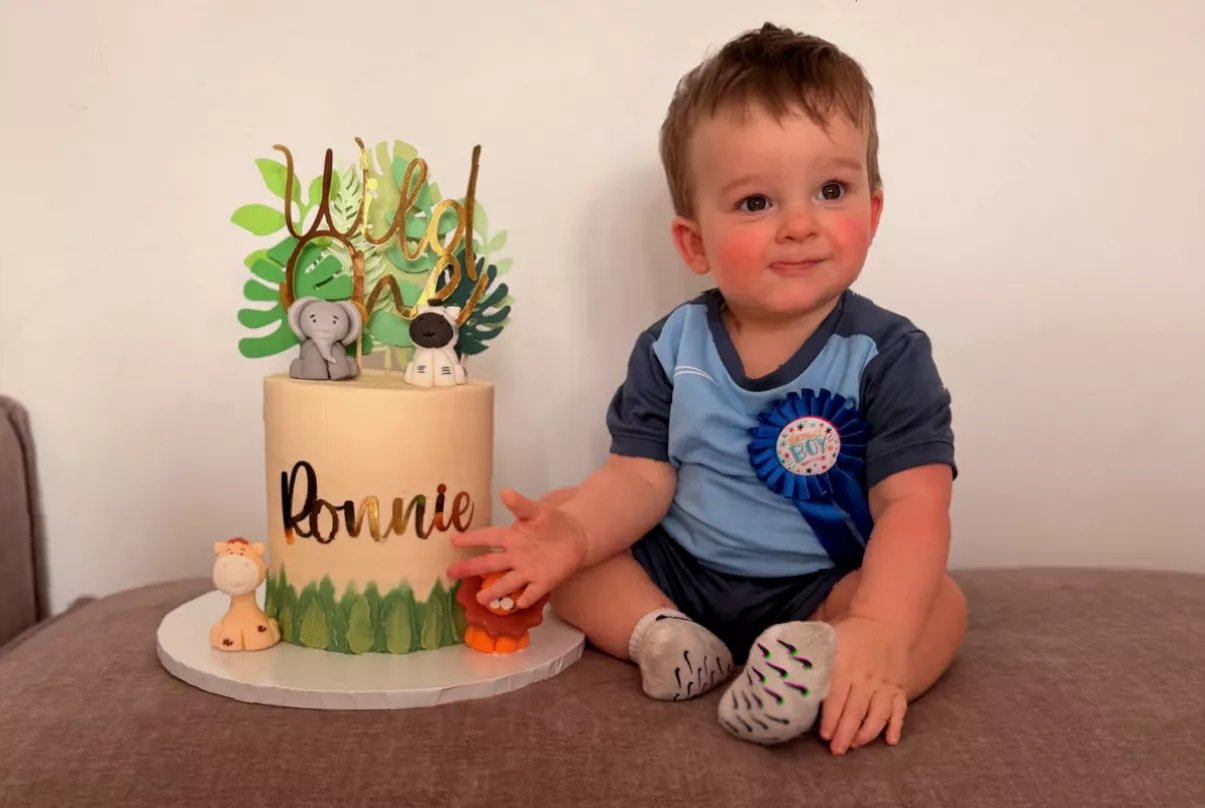
This urgent need has led his family, including his 30-year-old mother Laura, to launch the ‘Register4Ronnie’ campaign in partnership with the charity Anthony Nolan. The campaign aims to harness the strong sense of community in Merseyside to raise awareness and, crucially, to encourage more people to join the stem cell donor register.
Anthony Nolan manages the UK’s stem cell register and has facilitated over 26,500 transplants worldwide. The charity is appealing for people aged between 16 and 30, who are in good health, to sign up. The process involves completing an online form and returning a cheek swab. Should they be found to be a match for someone like Ronnie, around 90% of donations are made via a straightforward outpatient procedure called peripheral blood stem cell collection.
The charity emphasises a particular need for more young male donors and for donors from minority ethnic backgrounds, where finding genetic matches can be more challenging. For now, Ronnie remains dependent on supportive care—including blood and platelet transfusions—while the search for a lifesaving match continues. Thanks to advances in treatment, including stem cell transplantation, over 80% of children with the condition are now long-term survivors, a prognosis his family is desperately hoping he can share.