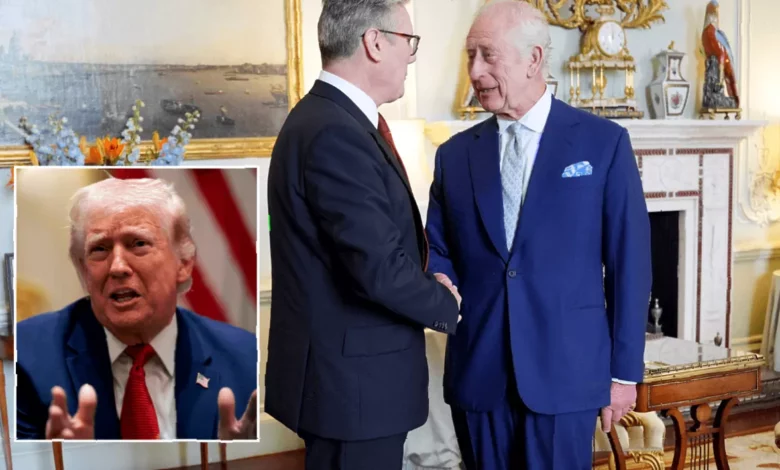
Donald Trump has claimed that King Charles III would have sided with him over the conflict with Iran, in comments that draw a direct and unflattering contrast with the position of Prime Minister Sir Keir Starmer. The US President suggested the monarch would have taken a “different stand” to the Prime Minister, whom he has repeatedly criticised for his handling of UK support for American military operations.
Trump’s Personal Praise and Political Point
Speaking about the King’s forthcoming state visit, President Trump told The Telegraph, “I like him. I always liked him as a prince. He’s a good man, a great representative for your country.” He added, “I think he would have taken a very different stand [on the war in Iran], but he doesn’t do that. I mean, he’s a great gentleman.” The President described King Charles as “a friend of mine” and “a wonderful and brave man,” emphasising their longstanding acquaintance and revealing that the two leaders maintain regular correspondence, according to a diplomatic source.
President Trump was careful to state that the King had “nothing to do with this” breakdown in relations, distancing the monarch from the current diplomatic rift. These remarks are widely seen as an indirect rebuke of Sir Keir Starmer, who has frustrated the US administration by initially refusing requests for military support against Iran.
The Constitutional Reality of a ‘Different Stand’
Despite President Trump’s speculation, the King’s capacity to take any political “stand” is non-existent under Britain’s constitutional framework. While the sovereign technically retains the royal prerogative power to declare war, a deeply entrenched constitutional convention strictly prohibits the monarch from engaging in political matters or acting independently of ministerial advice. The King is bound to remain politically neutral and is unable to publicly express personal views on government policy.
This constitutional role, however, does not negate the monarch’s significant function as a representative of the nation on the global stage, where his diplomatic efforts are considered a key component of UK soft power. Historically, monarchs have played a role in diplomacy and the formal agreement of treaties. King Charles himself has previously expressed personal views on international issues; he was reportedly an opponent of the 2003 Iraq War and has been quoted as believing the Israel-Palestine conflict is “the fundamental reason for the hostility and all the ‘pent-up poison’ throughout the Islamic world,” while also expressing sympathy for Palestinians. His recent Commonwealth Day messages have alluded to “increasing pressures of conflict.” Nevertheless, in his official capacity, he is required to follow the government’s direction.
The Iran Dispute Straining the ‘Special Relationship’
The friction stems from the UK’s initial response to US requests for support in its campaign against Iran. Prime Minister Starmer first rebuffed a request to permit American forces to use the joint UK-US military base on Diego Garcia in the Indian Ocean for strikes, citing legal concerns and a desire to avoid being drawn into the conflict. He also declined requests to deploy Royal Navy vessels to help reopen the strategically vital Strait of Hormuz, which Iran had closed.
President Trump described Britain as “uncooperative” and criticised Sir Keir, saying he was “not Winston Churchill.” The US has heavily relied on Diego Garcia for Middle Eastern operations, and the base has recently been targeted by Iranian ballistic missiles. The UK’s subsequent agreement to cede sovereignty of the Chagos Islands, where Diego Garcia is located, to Mauritius has further strained discussions with Washington, with Trump criticising the deal on national security grounds.
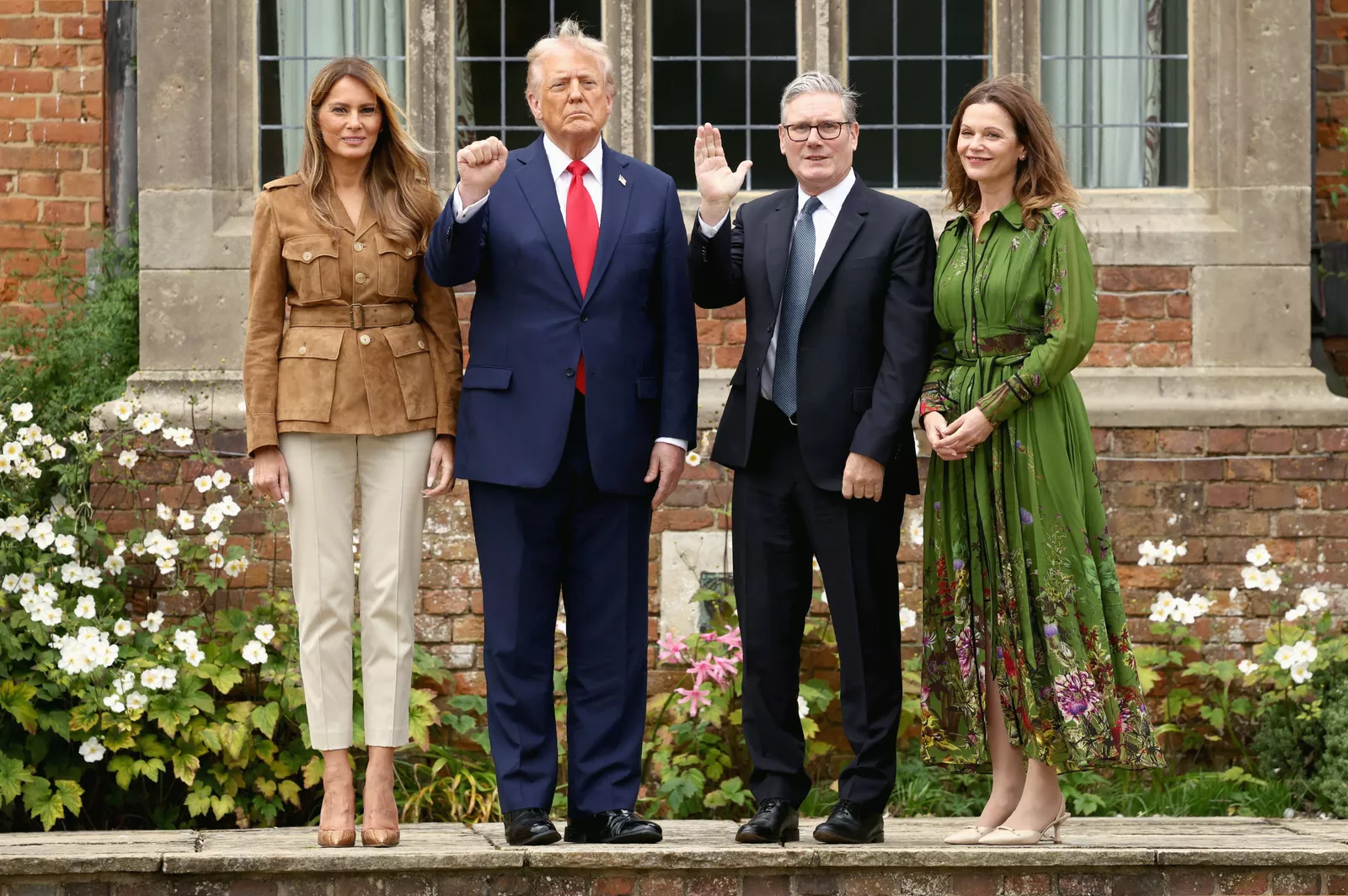
Sir Keir later permitted US forces to use British bases, including Diego Garcia, but only for what the UK government defined as “defensive operations” to degrade Iranian missile sites targeting British allies. President Trump expressed disappointment with the delay, stating it “took far too long” for Starmer to change his mind. Some US officials have noted a more cautious UK approach in sharing intelligence and a longer approval process for requests concerning British military sites.
In response to the Strait of Hormuz closure, the US initiated an aerial campaign to reopen the passage, critical for global oil shipments. Several countries, including the UK, France, Germany, and Japan, have expressed willingness to contribute to ensuring safe passage. The UK is set to host a summit of 35 countries—excluding the US—to discuss diplomatic and political measures to reopen the strait. The United Arab Emirates is reportedly pushing for a military operation to forcefully reopen the waterway and is willing to assist.
This diplomatic friction has unfolded alongside a broader foreign policy shift from Washington. President Trump disclosed he is contemplating a withdrawal from NATO, citing the alliance’s refusal to join the Iran war and a lack of support from members, calling it a “paper tiger.” Secretary of State Marco Rubio has indicated the US may re-examine its NATO membership after the conflict.
The Diplomatic Reset of a State Visit
Against this tense backdrop, King Charles’s scheduled state visit to the United States from April 27-30, 2026, takes on heightened political significance. The visit, which will include a state banquet at the White House on April 28, aims to celebrate the 250th anniversary of American Independence and the historic UK-US relationship. British diplomats in Washington are hopeful the monarch can deploy his soft power to help mend the damaged special relationship.
This will be King Charles’s first state visit to the US as monarch, though he has visited 19 times previously. A full schedule is yet to be revealed, but confirmed elements include an address before Congress. The King and Queen are also widely anticipated to travel to New York. Following the US leg, the King will undertake a solo trip to Bermuda, marking his first visit to a British Overseas Territory as sovereign.
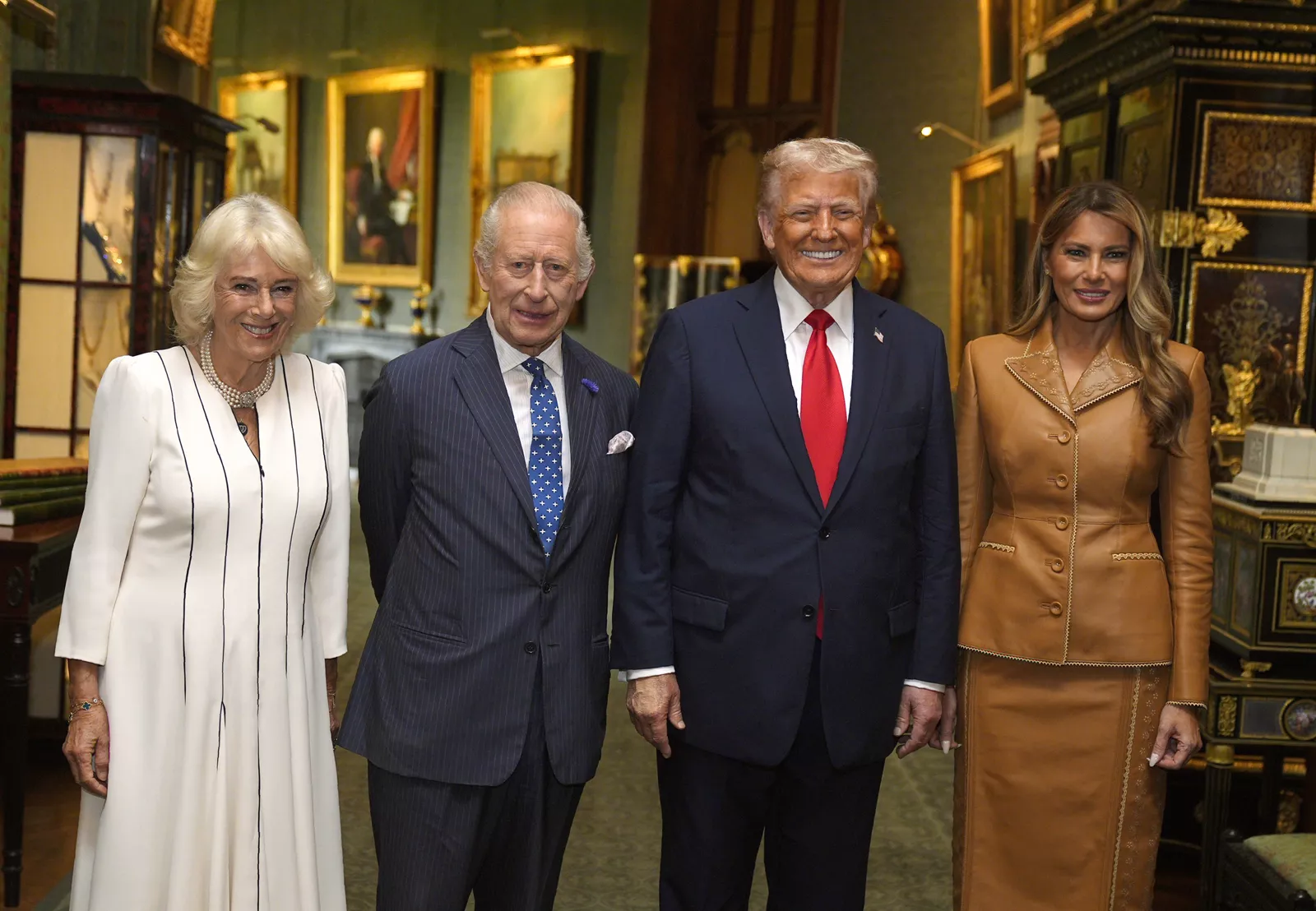
The two leaders were not believed to have been in contact in the weeks preceding President Trump’s public criticism of the Prime Minister. However, their personal rapport has been noted previously; during an unprecedented second state visit by Trump to the UK in September 2025, the President described King Charles as an “elegant gentleman.”