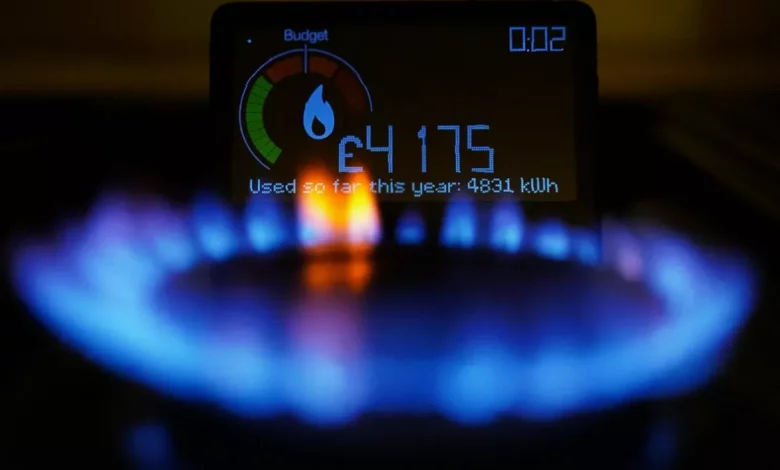
The volatile geopolitics of the Middle East are poised to deliver another sharp blow to UK household finances, with analysts warning that energy bills are set for a steep summer rise driven by the conflict’s impact on global gas markets.
Independent energy consultancy Cornwall Insight now forecasts that Ofgem’s price cap for a typical dual-fuel household will surge by 20%, or £332, in July. This would lift the annual cost from the current £1,641 to £1,973 for the quarter from July to September.
This revised prediction, which has doubled from a 10% increase forecast just over two weeks ago, is a direct consequence of the escalating US-Israel war with Iran. The consultancy is now updating its forecasts weekly to track the market turbulence.
How conflict fuels your bill
The mechanics of Ofgem’s price cap, which limits the unit rates and standing charges for standard variable tariffs, mean wholesale price shocks are not felt immediately but are baked into future bills. The cap is based on average wholesale prices over a preceding three-month “observation period”.
Over the first half of March, UK wholesale gas prices rose by approximately 120%, spiking 25% in a single day last week to reach a three-year high. Even if prices subside, some of this extreme volatility will be captured in the calculation for the July cap, which Ofgem will announce officially on May 27.
“Household energy bills over the summer look set to be higher than we had anticipated prior to the escalation of conflict,” Cornwall Insight stated.
The UK’s growing reliance on Liquefied Natural Gas (LNG) has increased its exposure to disruptions in key producing regions. Recent attacks on energy facilities in Qatar, a major LNG exporter, have crystallised those fears. Shell confirmed damage to its vast Pearl gas-to-liquids plant, while Qatar’s state-backed QatarEnergy has halted some LNG production.
The research briefing notes these attacks have knocked out an estimated 17% of Qatar’s export capacity, with repairs potentially taking up to five years. Combined with threats to shipping through the critical Strait of Hormuz, these events have sent shockwaves through energy markets.
Government dismisses “speculative” forecasts
The government has pushed back against the alarming projections. A spokesperson for the Department for Energy Security and Net Zero described Cornwall Insight’s forecasts as “highly speculative”, adding: “Using wholesale price fluctuations to predict what will happen in the next few months is not reliable.”
The department reiterated that tackling affordability was the government’s “number one priority” and that it stood “ready to provide whatever support is needed to consumers”, citing the expanded Warm Home Discount which provides £150 to eligible low-income households.
Ministers have recently pointed to a 7% drop in the energy price cap that took effect on April 1, which cut a typical bill by £117 annually. This reduction was achieved by shifting 75% of Renewables Obligation costs to general taxation and scrapping the Energy Company Obligation scheme—measures the government estimated would reduce the cap by around £145 per year for a typical consumer.
Heating oil households face separate crisis
While most households are protected by the Ofgem cap, approximately 1.5 million homes—primarily in rural areas and Northern Ireland—that rely on heating oil face no such limit. Here, the impact of the Middle East conflict has been immediate and severe.
The Competition and Markets Authority (CMA) announced on Friday it has launched a market study into the supply of heating oil, citing “troubling reports” of sharp practice. The watchdog said it had received complaints of existing orders being cancelled and customers being offered new quotes at massively inflated prices, alongside sudden hikes for automated deliveries.
Market data shows the stark reality: kerosene prices almost doubled between late February and March 9, with some reports of prices tripling. The CMA’s investigation will examine whether intervention is needed to protect these often off-grid consumers.
With Ofgem’s next decision two months away, the scale of July’s increase remains uncertain and hinges entirely on how long Middle Eastern tensions and elevated wholesale prices persist. For millions, the cost of heating and powering their homes is once again tied directly to events far beyond UK shores.