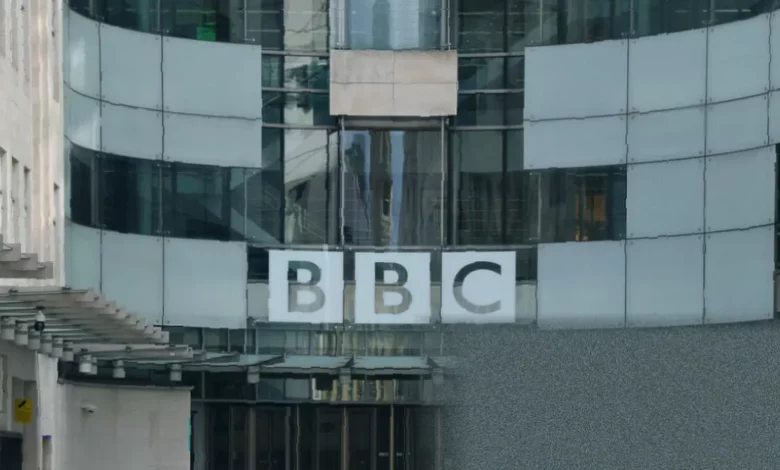
BBC News is facing deeper cuts than initially anticipated, with the division ordered to slash 15 per cent of its budget — a target significantly higher than the 10 per cent reduction planned across the corporation as a whole.
The cuts form part of a £600m cost-saving plan announced in February 2026, which aims to reduce the BBC’s annual cost base by 10 per cent over three years, with the savings due to be achieved by the 2028-29 reporting period. Up to 2,000 jobs are expected to go across the organisation, affecting roughly one in ten of the 21,500-strong workforce. It is the largest reduction in staffing at the public service broadcaster in 15 years.
Staff were told about the overall target at an all-staff meeting on Wednesday 15 April 2026, but the full extent of the cuts to BBC News became clear only during a subsequent video call attended by about 300 employees. Richard Burgess, the director of news and content, who oversees more than 800 journalists, told the call that the entire news division should expect cost reductions of “around 15 per cent”, with job losses a major focus.
Staff costs at the heart of the savings
The heavy targeting of BBC News reflects the fact that the division’s budget is dominated by salaries. The corporation spent £324m on news and current affairs in the year to March 2025, according to its latest annual report, with wages accounting for a significant share of that figure. “Most of our savings are people, frankly,” Burgess told staff. “[The cuts will be] 15 per cent of our income. Our income is not entirely salary bill as we have other things as well, although it is the majority. Ultimately, [10 per cent is] a figure across the whole of the BBC, but that doesn’t take into account that there are areas it’s just not possible to make cuts in. And so, as a consequence, in the areas where it is possible to make cuts in it ends up being a slightly higher figure. Across news, that 15 per cent figure is fairly consistent in most areas of news.”
Kerris Bright, the BBC’s chief customer officer, reinforced the point in a separate briefing. She noted that while her own teams — marketing, audiences and the licence fee unit — generate significantly more revenue than they cost to run, the news operation is different. “The vast majority of that [cost] pie chart would be staff costs,” she said. The corporation’s annual report shows that in the 2025-26 financial year it employed 237 executives classified as UK senior leadership, on salaries ranging from £100,000 to more than £350,000. A further £140m was spent on employees with on-air roles — defined as staff who spend 80 per cent or more of their time on television or radio.
Burgess said that, beyond staff cuts, management was “going to look very carefully at where we can make savings”. Among employees there is speculation that the BBC will push for greater use of mobile journalism kits, designed to reduce the need for expensive satellite vehicles and dedicated outside-broadcast crews. In radio, staff fear that local services — particularly those broadcasting during periods of low audience — will be consolidated into a network-wide feed, mirroring a trend already seen in commercial radio. Last year Global ended all local shows across its Heart, Smooth and Capital brands in England as part of a cost-cutting “nations strategy”, with all output broadcast from London.
Leadership transition and financial pressures
The cuts are being implemented ahead of the arrival of Matt Brittin, the former Google executive, who becomes director general on 18 May. He succeeds Tim Davie, who resigned in November 2025 after highly contested claims of bias were made by a former adviser to the corporation. Davie’s departure also followed the BBC’s apology for the way it edited a speech by Donald Trump — an incident that led to a $10bn defamation lawsuit, with a provisional trial date set for February 2027. The BBC is seeking to have the lawsuit dismissed. Deborah Turness, the chief executive of BBC News, resigned at the same time as Davie. Rhodri Talfan Davies has been serving as interim director general.
The corporation is grappling with “substantial financial pressures”, including declining licence fee income. In the year to March 2024, 500,000 fewer households paid the fee, resulting in a 2 per cent drop in revenue to £3.66bn — a trend attributed to increased evasion and a growing preference for digital platforms such as Netflix and Disney+. The annual licence fee rose to £180 in April 2026. Jonathan Munro, the interim chief executive of news and current affairs, has said the current funding model is “not fit for the public service mission of the future”, pointing to a widening gap between costs and income. The BBC is currently in negotiations with the government over the renewal of its Royal Charter, which expires at the end of 2027, and the future of the licence fee.
Impact on staff and further restructuring
Details of which teams and individuals will be affected are expected to be announced in June, with those facing redundancy to be informed in September. A repeated theme in staff briefings has been the question of whether higher-paid employees will share the burden through restructuring and pay cuts. The BBC has already implemented cost-saving measures, including reducing travel by 40 per cent and significantly tightening spending on consultants, conferences, events and awards.
Beyond the news division, the BBC has revealed plans to reduce the team responsible for covering national occasions — such as royal events and state funerals — to a minimum of one staff member supplemented by freelancers. The BBC World Service announced 130 job cuts in January 2025 as part of a plan to save approximately £6m. The broader industry context is similarly challenging: other UK public service broadcasters, including ITV and Channel 4, are also facing budget cuts due to rising costs and audience migration to tech platforms, and regulators have expressed concern about the long-term future of public service television in an on-demand era.